
Weed in Medellín: Laws, Culture, Myths, Realities
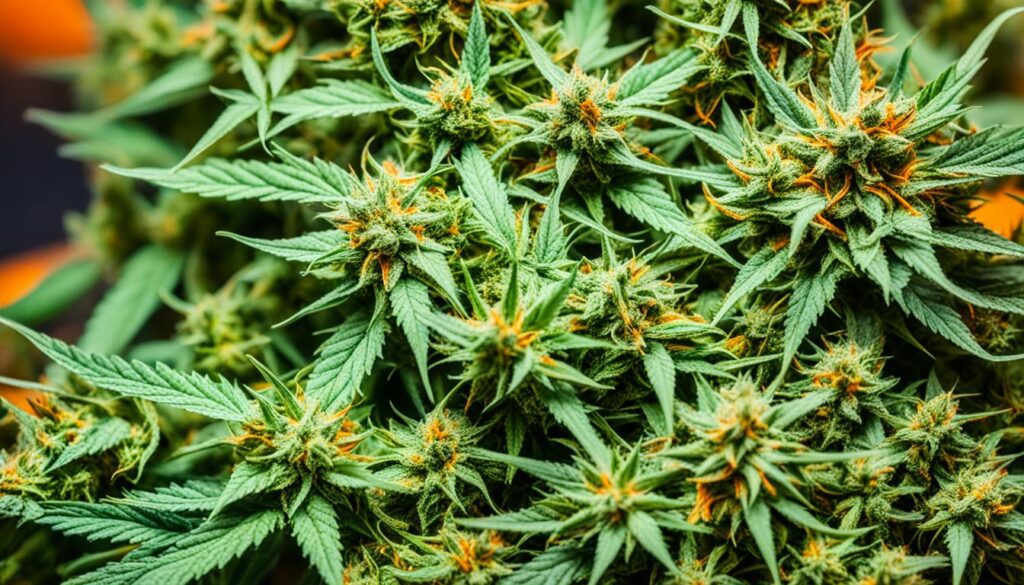
Cannabis — informally called weed, pot, marijuana, or cogollo in Latin America — occupies a complex and evolving space in Medellín, Colombia. Colombia’s long and fraught history with illicit narcotics has shaped how cannabis is viewed legally, socially, and practically. While the country has taken steps toward liberalization in recent years, Medellín — the nation’s second‑largest city — remains a place where policy, enforcement, culture, and risk intersect in unique ways.
In this article we’ll explore the legal framework governing cannabis in Medellín, how people actually use and perceive it, the risks involved, and what both residents and visitors need to know before engaging with cannabis in Colombia’s dynamic urban core. (Wikipedia)
🌿 Legal Landscape of Cannabis in Colombia and Medellín
Colombia’s stance on cannabis has shifted significantly over the past few decades. Although the plant was long illegal, a series of court rulings and legislative reforms have created a nuanced legal status:
- Personal use and possession of small amounts (up to ~20 grams) is decriminalized — meaning individuals generally will not face criminal charges for carrying that quantity for private use.
- Personal cultivation of cannabis plants (up to 20 plants) is allowed under the Constitutional Court’s interpretation of the right to privacy, though enforcement can vary locally.
- Commercial sale, distribution, and trafficking of any cannabis remains illegal without proper licensing, and penalties for trafficking can be severe/weed in Medellín.
Laws and Regulations: What the Statutes Actually Say
📜 Decriminalization vs. Legalization
Many people conflate decriminalization with full legalization, but under current Colombian law these are distinct:
- Decriminalization means that possessing small amounts of cannabis for personal use is not a criminal offense — although it may still be subject to administrative fines or confiscation, especially in public places/weed in Medellín.
- Legalization would imply a regulated market where cannabis could be bought and sold through licensed retailers — but such a market does not yet exist for recreational use in Medellín or anywhere in Colombia. (Wikipedia)
Under the Constitutional Court’s decisions, private consumption in your own home is protected as part of the right to privacy. However, public consumption and distribution continue to be unlawful. (Wikipedia)
⚠️ Possession Limits and Enforcement
Colombian law generally regards possession of no more than 20 grams as personal and non‑criminal. Possessing more may be treated as intent to distribute or trafficking, with correspondingly more serious penalties. This distinction is key: there is no legal retail system for adult recreational users to acquire cannabis, even though personal possession within limits won’t subject someone to criminal prosecution. (Wikipedia)
Police and municipal authorities in Medellín can still:
- Confiscate cannabis in public.
- Issue fines for public consumption or possession near protected zones (schools, playgrounds, government buildings).
- Charge higher quantities as distribution or trafficking — particularly if packaging suggests dealing.
Enforcement can vary widely by neighborhood, police discretion, and individual interactions with law enforcement.
💊 Medical Cannabis Law and Access
Medical cannabis has been legal in Colombia since 2016 under Law 1787, and subsequent regulatory updates have expanded access. Patients with qualifying medical conditions can obtain cannabis‑derived products with a prescription through licensed healthcare providers, and recent regulatory efforts are moving toward authorizing the sale of dried flower for medical use in pharmacies with proper oversight. (The Daily Star)
In Medellín, medical cannabis users with legal Colombian prescriptions may access regulated products through authorized pharmacies, although foreigners and short‑term visitors often face practical challenges in obtaining prescriptions locally — and foreign prescriptions are generally not automatically accepted. (Medellin Tours)
📍 What’s Still Illegal?
Despite the liberalized stance on small‑scale possession and cultivation, key activities remain illegal:
- Buying or selling cannabis for recreational use — there are no legal dispensaries or clubs where recreational weed can be purchased/weed in Medellín.
- Consumption in public spaces — even within possession limits, public smoking can trigger fines or police interactions.
- Trafficking, distribution, or gifting beyond personal limits — these activities carry criminal penalties and are rigorously enforced/weed in Medellín. (Wikipedia)
This creates a legal paradox: an individual may legally possess a small amount of cannabis in private, but there is no legal avenue to obtain that cannabis through purchase. This paradox fuels an illicit market and related risks. (Wikipedia)
How Cannabis Culture Actually Works in Medellín
Despite the nuanced legal status, cannabis culture in Medellín exists in a blend of private use, informal social acceptance, and underground markets.
🌆 Private Use and Social Norms
In private homes and personal gatherings, possession of small amounts of cannabis is relatively common among certain social groups, particularly younger adults and urban creatives. Stigma has decreased compared to previous generations, but cannabis use is not universally accepted. Many locals still associate marijuana with Colombia’s troubled history of drug violence, which can affect social perceptions. (Medellin Tours)
Social use tends to occur quietly among friends rather than in public venues. Even within private settings, many people choose discretion to avoid interaction with law enforcement or negative community reactions.
🧠 The Myth of Dispensaries and “Cannabis Tourism”
There is a strong myth among many travelers and online guides that Medellín has an active cannabis tourism scene with legal dispensaries. In reality:
- There are no legal recreational cannabis shops in Medellín.
- CBD shops and cannabis culture events exist, but they primarily handle non‑psychoactive products (CBD) or illicit cannabis without legal backing.
- “Weed tours” or organized visits to informal cannabis gathering spots are not legal dispensaries; these involve unregulated products and carry risk. (Best Weed Delivery Tips (March 2026))
💰 The Illicit Market and Risks
Because there is no legal retail pathway, an illicit market fills the demand for recreational cannabis. This market is informal, unregulated, and carries notable risks:
- Safety risks with sellers — street transactions can lead to theft, scams, extortion, and encounters with crime.
- Product quality and adulteration — unregulated cannabis may be adulterated or low quality, and there’s no guarantee of purity or safety.
- Law enforcement interaction — police may use possession as leverage for fines or other action, regardless of nominal decriminalization. (Best Weed Delivery Tips (March 2026))
Reddit threads from long‑time visitors and locals often highlight these informal realities: nominally easy access can come at the cost of unpredictable legal and safety issues. (Reddit)
🌿 CBD and Non‑Psychoactive Cannabis
Broadly throughout Colombia, cannabis products that contain low levels of THC (the psychoactive compound) and higher levels of CBD are lawful when legally sourced. These include oils, tinctures, and wellness products, which are increasingly available in Medellín’s health and supplement stores. (Medellin Tours)
CBD products enjoy wider acceptance because they don’t create the “high” associated with marijuana and are often marketed for wellness — making them more socially palatable in many circles.
Frequently Asked Questions (FAQs)
### Is cannabis fully legal in Medellín?
Cannabis is not fully legal in Medellín. While personal possession of small amounts (up to ~20 grams) and private consumption is decriminalized, selling or distributing recreational cannabis is illegal, and public consumption can be fined. Medical cannabis is legal with a prescription but must be obtained through regulated channels. (Wikipedia)
### Can tourists buy weed legally in Medellín?
No. There is no regulated recreational market where tourists can legally buy cannabis in Medellín. Buying weed from informal sources remains illegal and can expose visitors to legal and safety risks. (Medellin Tours)
### What happens if I’m caught with cannabis?
If you’re carrying less than the decriminalized amount and not selling or consuming in a public space, you are unlikely to be criminally prosecuted. But law enforcement can still confiscate the cannabis and issue administrative fines for public consumption or related violations. Possessing larger amounts or evidence of distribution can lead to serious criminal charges. (Wikipedia)
### Is medical cannabis easy to obtain in Medellín?
Medical cannabis is legal with a Colombian prescription obtained through a licensed doctor and must be acquired through authorized pharmacies. Foreign prescriptions are typically not automatically recognized, and short‑term visitors may find it difficult to access medical cannabis locally. (Medellin Tours)
### Can I grow cannabis plants at home in Medellín?
Yes, under law individuals may cultivate a limited number of cannabis plants for personal use (commonly interpreted up to 20 plants), but this is meant for private, non‑commercial use. Exceeding this amount or using cultivation for distribution can result in legal trouble. (Wikipedia)
### Is Medellín a cannabis‑friendly social city?
Attitudes vary. Many younger residents may be open to cannabis discourse and private use, but older generations often retain stigma due to Colombia’s narcotics history. Public overt consumption is generally frowned upon and legally restricted. (Medellin Tours)
Conclusion
In Medellín, cannabis exists in a legal grey zone that reflects Colombia’s broader national framework — one that decriminalizes personal possession and private use but does not create a legal market for recreational sale. Medical cannabis has gained legitimacy and regulatory support, and recent policy developments are expanding legal pathways for medicinal products. Yet the lack of a regulated recreational marketplace means that tourists and locals alike navigate a mix of tolerance, ambiguity, and risk when engaging with cannabis culture.
Anyone considering consuming, possessing, or growing cannabis in Medellín must understand the distinction between decriminalization and legalization, respect public order laws, and be mindful that illegal sale and public use carry real consequences. The cannabis scene may seem vibrant in online chatter, but that vibrancy coexists with regulatory constraints and social perceptions shaped by decades of drug policy in Colombia. (Wikipedia)
For a detailed overview of cannabis regulations in Colombia as a whole, see this reference at The Cannigma: https://cannigma.com/regulation/cannabis-laws-colombia/ — a reliable resource on national marijuana policy. (cannigma.com)
Skywalker product exceeded my expectations in both potency and purity, I really appreciated the discretion and professionalism in the delivery process , you can reach to him on Telegram t.me/skywalkerOG_1 and also there email realskywalkerog1@gmail.com
“Man, that skywalker OG you gave me last night was fire. Smoothest smoke I’ve had in months.”
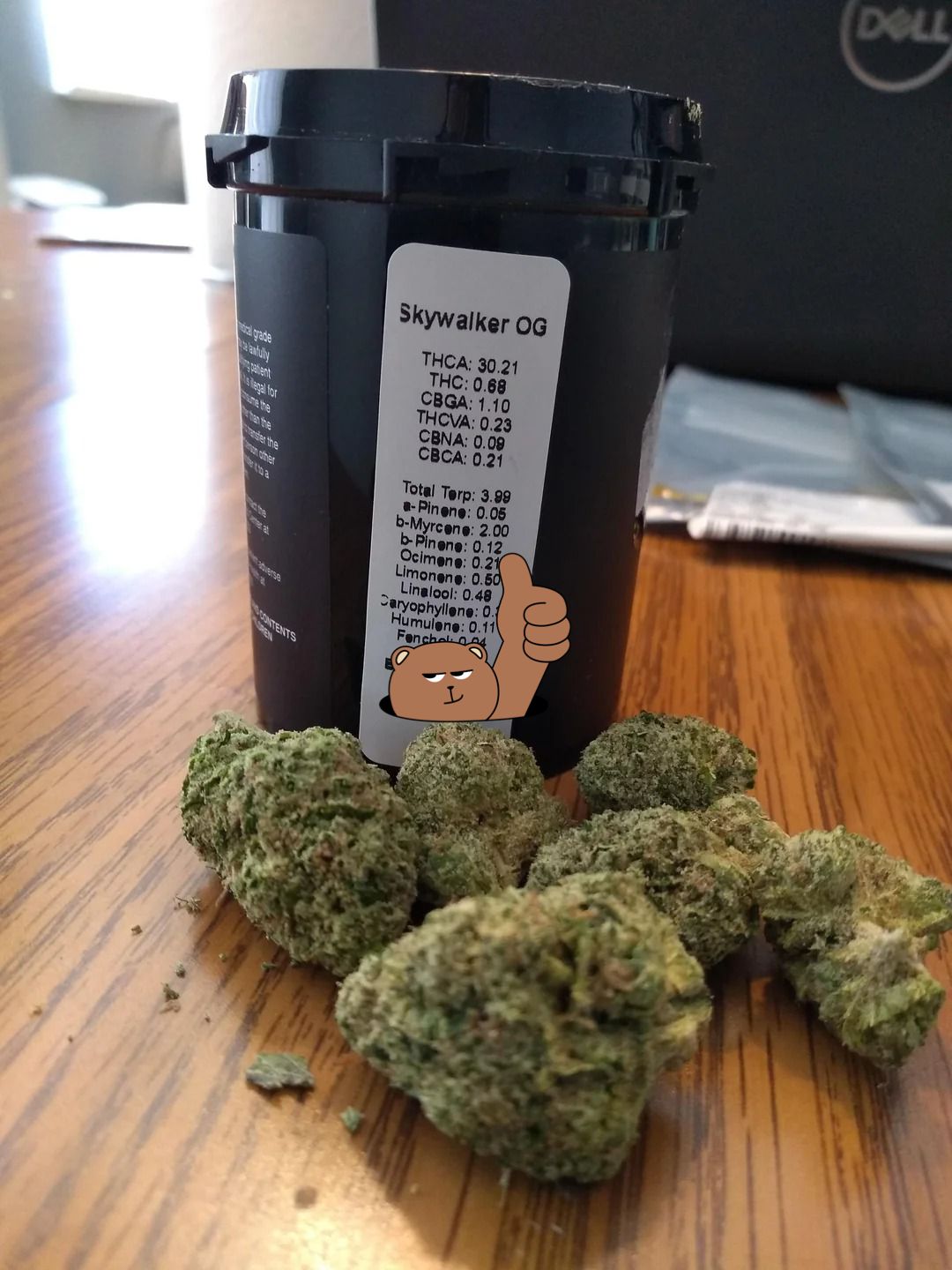
Great service, easy to work with and I’m very satisfied. I’m so happy I found skywalker here. He is super responsive, on time and the quality of weed he sells are serious on point and top notch.