
Soledad (Atlántico) and cannabis: what’s real, what’s risky (Nice introduction)
Soledad sits right next to Barranquilla in Colombia’s Atlántico department—busy, urban, and very “everyday Colombian life.” Travelers often pass through the metro area for Carnaval season, coastal itineraries, or quick business stops. And because Colombia is famous globally for complicated drug history, visitors sometimes arrive with two opposite myths in their heads: either “everything is illegal and dangerous,” or “everything is basically tolerated.”
The truth is in the middle—and the details matter.
In Colombia, small amounts for personal use have been decriminalized for a long time, tied to the country’s Constitutional Court reasoning around personal autonomy. (IU Robert H. McKinney School of Law) But decriminalized possession is not the same as legal retail, and it’s definitely not the same as “safe to buy on the street.” Commercial sale and distribution remain illegal, and enforcement outcomes can depend heavily on context, behavior, and whether police believe something looks like trafficking rather than personal use. (Global Initiative)
This guide focuses on travel-friendly reality: how the law generally works, what risks show up in a place like Soledad, and what legal alternatives make more sense for visitors/weed in Soledad.
Where Soledad fits into the cannabis conversation
Soledad is part of a large metro region (Barranquilla–Soledad). Compared with tourist-heavy zones like Cartagena’s historic center or Medellín’s backpacker neighborhoods, the Soledad area tends to feel more local and practical. That can affect cannabis-related risk in a few ways:
- Less “tourist bubble” protection: you’re more visible as an outsider in some areas.
- Street-level scams are more likely to target visitors: especially if you look uncertain.
- Policing can feel inconsistent: and “negotiation culture” can create uncomfortable situations if you’re not fluent in Spanish or local norms.
If you’re writing this for a travel guide, the key message is: Soledad is not a cannabis tourism destination. It’s a normal Colombian city environment where the safest move is minimizing avoidable risk.
Colombia’s cannabis law basics (personal dose vs. everything else)
Colombia’s cannabis framework is commonly summarized around the “personal dose” and court rulings:
- Colombia’s Constitutional Court struck down penalties for carrying/consuming personal doses in 1994, grounding it in “free development of personality” reasoning. (IU Robert H. McKinney School of Law)
- A “minimum/personal dose” concept is often described as up to 20 grams of cannabis, and personal cultivation up to 20 plants has also been recognized in major legal decisions and commentary—again, for personal use, not sales. (Leafwell)
- Sale, distribution, and commercialization remain penalized, and anything that looks like supply can change how police or prosecutors treat a situation. (Global Initiative)
Practical takeaway for travelers: Colombia’s “personal dose” concept is not a permission slip. It’s a legal distinction that may reduce criminal exposure for simple possession in certain contexts—but it does not legalize buying, selling, or public consumption/weed in Soledad.
Why the “personal dose” can still go badly in real life
Even where personal possession is decriminalized, travelers can still end up in trouble because/weed in Soledad:
- Context overrides your intentions. If you’re in a transit area, near schools, in crowded public spaces, or behaving intoxicated, police attention rises.
- Packaging and behavior matter. If it looks like distribution (multiple baggies, scales, cash bundles), you’ve moved into a different risk category even if you claim personal use. (Sensi Seeds)
- Street interactions are legally and personally risky. Remember: purchase/sale is illegal; “I bought it for myself” doesn’t make the transaction lawful. (Leafwell)
For a Soledad-specific guide, it’s worth being blunt: the most dangerous part of cannabis for a visitor isn’t the plant—it’s the social and legal situation around trying to get it.
Public consumption: the fastest route to attention
If you’re trying to have a smooth trip in the Barranquilla–Soledad metro area, treat public consumption as a “don’t.”
Public use is where you combine:
- visibility,
- potential complaints,
- misinterpretation (“Are you selling?”),
- and police discretion.
Even if personal possession is treated leniently in law, public consumption can still lead to confiscation, questioning, and escalation—especially if you’re a tourist and communication is messy.
A good travel guide doesn’t glamorize “street freedom.” It helps readers avoid unnecessary interactions that can sour the entire visit.
Medical cannabis in Colombia: a major 2025 change (and what it means for visitors)
Colombia has had a regulated medical cannabis system for years. The headline update in 2025 is big: Decree 1138 of 2025 authorized the sale of dried cannabis flower for medical and veterinary purposes in pharmacies (with prescription controls), expanding the previous framework that focused more on oils/extracts. (El País)
Important nuance:
- This is medical, not recreational. (El País)
- Implementation details and access can still be complicated (coverage, cost, certification, supply channels). (El País)
For travelers in Soledad:
- Don’t assume medical reforms equal tourist-friendly access.
- Don’t assume foreign medical documents will be treated the same way as Colombian prescriptions.
- Don’t assume you can safely travel across borders with cannabis because “it’s legal in Colombia now.” That’s not how border enforcement works.
The “street market” problem: legality, safety, and product uncertainty
Because recreational sales aren’t legal retail, street cannabis carries multiple layers of risk:
- Legal risk: Buying/selling remains illegal. (Global Initiative)
- Safety risk: Tourists can be targeted for scams or robbed—especially if they appear to be seeking drugs.
- Health risk: Unregulated products can be contaminated, mislabeled, or unexpectedly potent.
If your travel guide aims to be credible (and SEO-safe), avoid “how to buy” content. Instead, emphasize a responsible reality: the unregulated market is where most bad outcomes happen.
Harm-reduction travel advice (without enabling illegal activity)
If cannabis is part of someone’s lifestyle, the most responsible content is harm reduction that focuses on health and avoiding escalation:
- Don’t mix substances (especially heavy alcohol + cannabis): dehydration and poor decisions become more likely.
- Hydrate aggressively: Atlántico heat and humidity can amplify dizziness or anxiety.
- Avoid motorbikes and driving while impaired: traffic risk is real, and enforcement can be unforgiving after an accident.
- Stay with trusted people: solo wandering while intoxicated is a common travel mistake.
- Keep your documents secure: losing ID or passport while dealing with police is a nightmare scenario.
This keeps your article useful while staying safely on the “education and safety” side.
Legal alternatives in Soledad (what to recommend instead)
If a reader’s goal is relaxation, sleep, mood lift, or “vacation calm,” you can offer genuinely helpful alternatives that fit Soledad’s environment:
- Caribbean rhythm instead of cannabis: music, food, and social time often provide the same “downshift” effect.
- Heat-smart scheduling: do physical activities early morning or evening; rest midday.
- Non-cannabis wellness: massage, stretching, and simple breathwork sessions.
- Sleep routine upgrades: eye mask, earplugs, hydration salts, and a consistent bedtime can do more than people expect.
- Caffeine strategy: enjoy Colombian coffee earlier in the day; keep evenings light to protect sleep.
For a travel site, “legal alternatives” also improves page value for readers who don’t consume cannabis at all.
FAQs: Weed in Soledad, Colombia
Is weed legal in Soledad?
Recreational cannabis sales are not legal in Colombia. Colombia does recognize a decriminalized “personal dose” concept for possession in limited contexts, but that is not the same as legal retail or public consumption freedom. (Cato Institute)
What is the personal dose amount in Colombia?
A commonly cited benchmark is up to 20 grams as the minimum/personal dose in policy discussions and legal commentary. Context still matters, and anything suggesting distribution changes legal exposure. (Leafwell)
Can tourists buy weed legally in Soledad?
There is no legal recreational retail market. Buying and selling remain illegal, and attempting to purchase via street markets increases legal and personal safety risks. (Global Initiative)
Can I smoke in public?
Public use is the quickest way to attract attention and complaints, and it can lead to confiscation or legal trouble depending on circumstances. Even where personal possession is treated leniently, public behavior can escalate outcomes.
Is medical cannabis available in Colombia?
Yes. Colombia has a medical cannabis framework, and Decree 1138 of 2025 expanded legal access by allowing medical cannabis flower sales in pharmacies under prescription controls (including veterinary use). (El País)
Does the 2025 medical decree mean recreational weed is legal?
No. The decree expands medical and veterinary access under regulated conditions; it does not create a recreational market. (El País)
What’s the biggest risk for travelers in Soledad?
The biggest risk is getting pulled into unregulated street-market situations—scams, unsafe products, or police encounters—rather than the “idea” of cannabis itself.
What are safer legal ways to relax in Soledad?
Use climate-smart travel routines (hydration + rest), music/culture, light evenings, and wellness basics (massage, stretching, sleep hygiene). They’re lower risk and often feel better on a trip.
Skywalker product exceeded my expectations in both potency and purity, I really appreciated the discretion and professionalism in the delivery process , you can reach to him on Telegram t.me/skywalkerOG_1 and also there email realskywalkerog1@gmail.com
“Man, that skywalker OG you gave me last night was fire. Smoothest smoke I’ve had in months.”
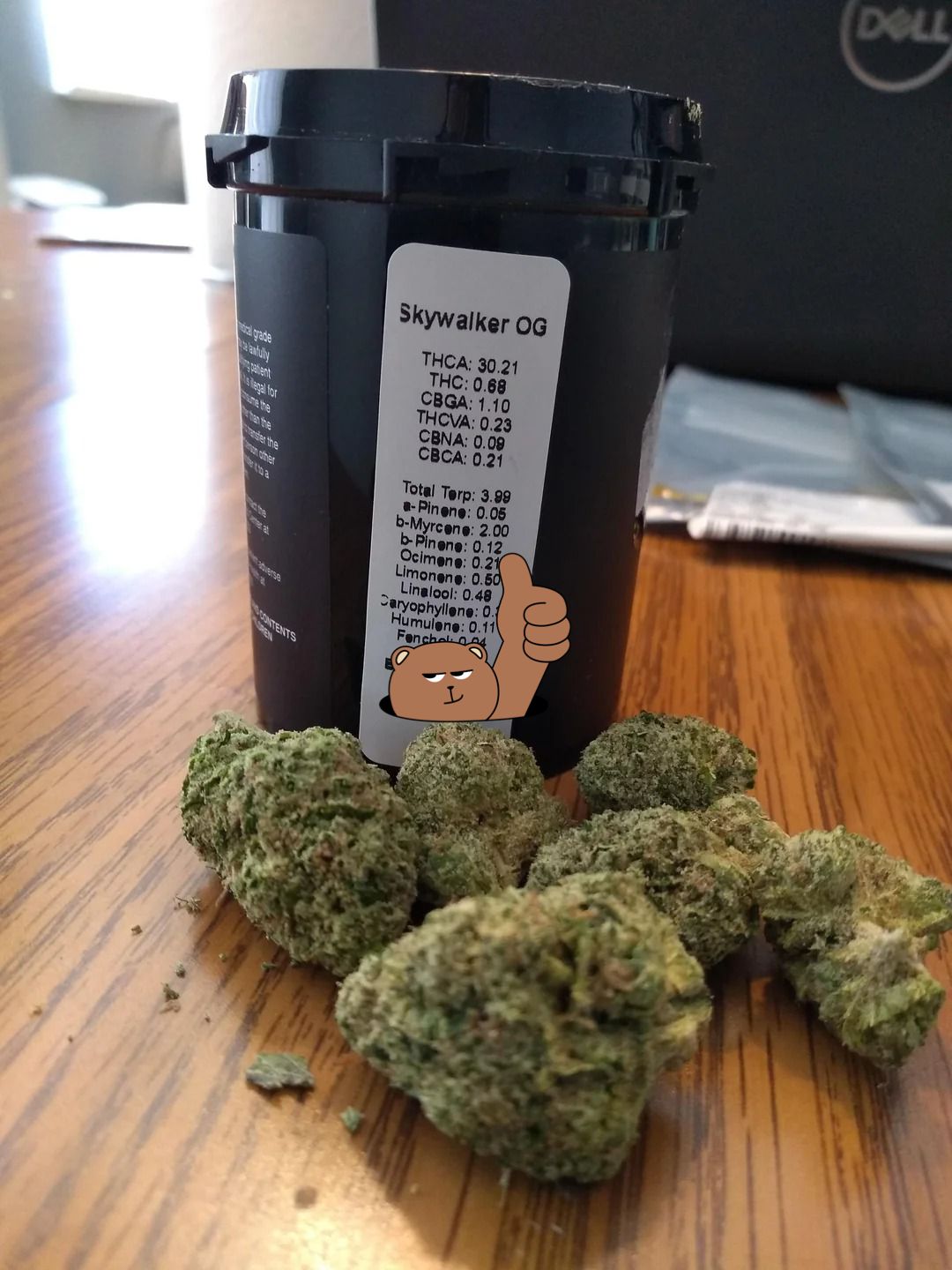
Great service, easy to work with and I’m very satisfied. I’m so happy I found skywalker here. He is super responsive, on time and the quality of weed he sells are serious on point and top notch.