
Weed in Ibagué: A Practical, Traveler-Safe Guide to Cannabis Reality in Tolima
Ibagué doesn’t sell itself like a “cannabis destination.” It’s a working Colombian city with deep musical identity (it’s often called the Ciudad Musical), a gateway feeling between the Andean interior and warmer lowlands, and a pace that can be refreshingly normal compared with Colombia’s biggest tourist magnets. That normalness is exactly why people get cannabis wrong here: they assume that if it feels relaxed, the rules must be relaxed too.
Cannabis in Ibagué is less about vibe and more about Colombia’s unusual legal mix: personal possession is often described as “decriminalized” within a defined threshold, while recreational sales remain illegal, and public-order policing can still create consequences. The result is a lot of confusion, some risky behavior, and a lot of visitors searching “weed in Ibagué” without realizing the biggest hazards aren’t only legal—they’re also social and situational.
This guide is designed for human readability and real-world safety. It explains what Colombia’s framework generally allows, what can still get you into trouble, how medical cannabis fits in, and what smart, legal alternatives look like in Ibagué—without giving instructions for illegal purchase or use.
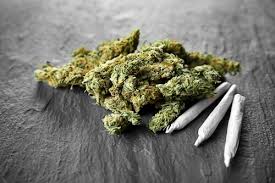
Picture (add to your post)
Tip: Upload a marijuana-related image to your WordPress Media Library, then paste its file URL into the src field.
Where Ibagué Fits In: Local Life, Not a Tourist Bubble
Ibagué is the capital of Tolima, and it behaves like it: local commerce, universities, families, commuters, and steady day-to-day rhythms. That matters because “cannabis risk” often changes with context.
In heavy tourist zones, visitors sometimes blend into the noise. In a city like Ibagué, you can stand out faster—especially if you’re visibly intoxicated in public, loitering around parks, or interacting with strangers in ways that raise attention. The safest travel mindset here is the one that works everywhere in Colombia: avoid avoidable problems.
That includes avoiding anything that:
- creates public disorder,
- relies on random street connections,
- mixes substances (especially alcohol + cannabis),
- or puts you in situations where you’re carrying cash and looking “lost.”
Is Weed Legal in Ibagué?
The simplest accurate summary is:
- Recreational cannabis is not legally sold in Colombia (no legal adult-use retail market). (Cato Institute)
- Colombia is widely described as allowing a “personal dose” concept, commonly referenced as up to 20 grams of cannabis for personal use (often framed as decriminalized possession). (Cato Institute)
- Medical cannabis is legal and regulated under a formal framework (Law 1787 of 2016 and later regulations). (Transnational Institute)
So yes—Colombia can be more tolerant of personal possession than many countries. But no—that does not equal “weed is legal in Ibagué,” and it definitely does not mean you can buy recreational cannabis legally like you would in Canada or some U.S. states.
The Personal Dose: Why “Decriminalized” Still Isn’t “Free Pass”
People often repeat the headline version: “Up to 20 grams is fine.” The reality is more nuanced.
The personal-dose idea comes from Colombia’s legal history and court decisions that limit penalizing individuals purely for carrying a minimum personal amount. (Cato Institute) But the system still distinguishes sharply between:
- personal possession vs. possession linked to distribution or sale,
- private behavior vs. public consumption and public order,
- small personal context vs. situations involving schools, transit, crowds, or complaints.
That means the same amount can lead to different outcomes depending on:
- where you are,
- how you act,
- whether you’re cooperative,
- whether there are other issues (alcohol intoxication, noise, arguments),
- and the discretion of the officer or local enforcement priorities.
The personal-dose concept lowers risk of criminal conviction in many situations, but it does not guarantee you a consequence-free experience.
Public Consumption: Where Many Visitors Get Burned
One of the biggest misconceptions is: “If I’m under the personal dose, I can smoke anywhere.”
Colombia has gone through policy tug-of-war on public consumption—attempts to restrict it through executive measures, followed by court decisions pushing back. (Cannabis Business Times) The practical point for travelers in Ibagué is simple:
Public consumption is where trouble starts.
Even if the legal landscape around public use has seen court protections, you can still face:
- confiscation,
- fines or comparendos under coexistence/public-order rules,
- ID checks and searches,
- escalation if someone complains or if you appear impaired.
In a city that runs on normal routines, being visibly high in a public plaza, near a park full of families, or outside bars late at night can draw the wrong kind of attention fast.
If your goal is to have a smooth trip, the safest move is boring but effective: don’t use illegal substances at all—especially not in public.
Buying Weed in Ibagué: Why the Real Risk Isn’t Only the Police
I can’t help with buying illegal drugs, but I can explain why “street weed” creates risks that many travelers underestimate.
Even if someone believes personal possession is “allowed,” the moment you enter informal markets you introduce:
- Scam risk (paying and getting nothing, low-quality product, inflated pricing),
- Safety risk (being targeted because you’re carrying cash),
- Product risk (contaminants, mold, pesticides, unknown potency),
- Legal risk (any situation that looks like supply/transaction escalates rapidly).
And because Colombia’s overall travel risk profile includes concerns about crime in many regions, it’s especially smart to avoid street transactions and unfamiliar contacts. (If you’re traveling, always check your government’s current travel advisory for Colombia.) (Wikipedia)
A good rule: if you wouldn’t do it with your passport and cash in your hand back home, don’t do it in a city you don’t fully understand.
Medical Cannabis in Colombia: The “Actually Legal” Lane
Colombia’s medical cannabis system is real and structured. Law 1787 of 2016 and subsequent regulations (including Decree 613 of 2017) created a framework for cultivation, production, and regulated access for medical and scientific purposes. (Transnational Institute)
For travelers and content readers, here’s what matters:
- Medical cannabis isn’t a casual retail scene.
- It’s tied to prescriptions, controlled channels, and regulatory compliance.
- It does not automatically recognize foreign “medical cards” the way some people assume.
A major recent development: Colombia has been expanding how medical cannabis can be dispensed. Reporting in 2025 described Decree 1138 of 2025, which authorizes the sale of dried medical cannabis flower in pharmacies under prescription (including veterinary use), while not legalizing recreational use. (El País)
So if cannabis is medically important to you, the safer path is to understand Colombia’s medical framework—not to improvise through informal markets.
Cultivation and the “20 Plants” Talk: Why It’s Not Simple
You may hear people say Colombia “allows 20 plants.” This idea is widely repeated in commentary and reporting about court decisions and personal cultivation concepts. (Wikipedia)
But for practical travel guidance (and for most everyday readers), treat cultivation like a high-risk zone:
- it’s easy for “personal” to be interpreted as “intent to distribute,”
- neighbors can complain,
- and enforcement can vary.
Even if some legal interpretations protect personal cultivation in limited contexts, it’s not a straightforward, tourist-relevant “permission slip.” The safest reader advice remains: don’t rely on rumors or oversimplified summaries.
What Cannabis Feels Like in Ibagué: Social Norms and Visibility
Ibagué’s cannabis reality is mostly invisible—because most people who use cannabis prefer discretion. That means visitors who behave openly can become the outlier.
Common social dynamics in a city like Ibagué:
- Families and older residents may be less tolerant of visible intoxication
- Public spaces are shared and watched
- Security guards (in malls, near venues) often intervene early
- A complaint can turn a minor situation into police contact
If you’re producing content for a travel site, it’s smart to frame Ibagué like this:
- Not “where to find weed”
- But “how cannabis laws work in practice, how to avoid trouble, and what legal alternatives exist”
That framing is safer for readers and more useful long-term.
Legal Alternatives in Ibagué: How to Get the “Weed Outcome” Without Weed
A lot of people aren’t chasing cannabis itself—they’re chasing what cannabis often provides:
- decompression
- better sleep
- appetite
- a softer social edge
- relief from travel anxiety
In Ibagué, you can often get similar outcomes legally through environment and routine:
- Heat + hydration + early evenings: Warm weather and steady hydration can naturally lower stress.
- Music culture: Ibagué’s identity is tied to music—lean into live music, cultural venues, and calm nights.
- Daylight movement: A long walk in daylight improves sleep pressure at night.
- Food routine: Consistent meals reduce anxious “wired” feelings for many travelers.
If you’re considering hemp-derived products like CBD, be cautious: legality and quality depend on THC content, labeling, and product standards. Don’t treat “CBD” as automatically legal or automatically safe—choose transparent, tested products whenever possible.
Harm Reduction (Without How-To): The Safety Priorities That Matter Most
If your readers take only a few points away, make them these:
- Don’t confuse decriminalized possession with legalized sales. (Cato Institute)
- Avoid public intoxication—it attracts complaints and enforcement attention. (Cannabis Business Times)
- Don’t mix cannabis with heavy drinking, especially in unfamiliar nightlife areas.
- Avoid street transactions—they raise both safety and legal risk.
- If cannabis is medically necessary, learn Colombia’s medical framework rather than improvising. (Transnational Institute)
FAQs About Weed in Ibagué
Is weed legal in Ibagué, Colombia?
Recreational cannabis is not legally sold in Colombia. Colombia does recognize a “personal dose” concept commonly described as up to 20 grams for personal use, but that does not create a legal recreational market and doesn’t prevent police interaction in all situations. (Cato Institute)
What is the personal dose limit for cannabis in Colombia?
Many legal discussions and reporting commonly cite up to 20 grams as the personal/minimum dose threshold used in Colombia’s legal framework and court decisions. (Cato Institute)
Can tourists buy weed legally in Ibagué?
I can’t assist with buying illegal drugs. Legally, Colombia does not have a regulated recreational retail market for cannabis, so there isn’t a legal adult-use purchase pathway like licensed dispensaries for tourists. (CMS Law)
Is medical cannabis legal in Colombia?
Yes. Medical cannabis is legal and regulated under Law 1787 of 2016 and related regulations that created a structured framework. (Transnational Institute)
Can medical cannabis flower be sold in Colombian pharmacies?
Reporting in 2025 described Decree 1138 of 2025 authorizing the sale of dried medical cannabis flower in pharmacies under medical prescription (including veterinary use), while not legalizing recreational use. (El País)
Is it safe to smoke in public if you’re under the personal dose?
Public consumption can still lead to enforcement actions, confiscation, fines, or escalating problems—especially if there are complaints or public-order concerns. The safest approach is to avoid illegal use entirely, and especially avoid public intoxication. (Cannabis Business Times)
Can you grow cannabis in Colombia for personal use?
There are widely cited claims and reporting about court decisions around personal cultivation (including references to “20 plants”), but it isn’t a simple universal permission. Interpretation and risk can vary, and anything resembling distribution increases consequences. (Wikipedia)
What’s the smartest legal alternative to weed in Ibagué for relaxation?
Focus on routines that reliably calm the nervous system: daylight movement, hydration, consistent meals, quiet evenings, and culturally “Ibagué” relaxation like music and low-drama nights. For supplements, stick to legal, reputable products and avoid anything unverified.
References (just 3 authoritative marijuana websites)
- NORML: https://norml.org
- Leafly: https://www.leafly.com
- Project CBD: https://projectcbd.org
Conclusion: Enjoy Ibagué for What It Is—Not for Cannabis Myths
Ibagué is a city where the best experiences usually come from staying present: music culture, everyday Colombian life, and a pace that’s calmer than many big-name tourist stops. Cannabis doesn’t need to be the center of your story here—especially because Colombia’s cannabis reality is easy to misunderstand.
Yes, Colombia is often described as allowing a personal dose threshold (commonly cited as 20 grams), and yes, medical cannabis is legal under a structured national framework. (Cato Institute) But recreational sales remain illegal, and public consumption or street transactions can still create legal and personal safety problems. (CMS Law)
If you want the “relaxation outcome,” Ibagué offers better tools than risking a confusing legal gray zone: slow evenings, music, sleep-friendly routines, and a travel style that keeps you out of the spotlight. That’s how you leave Tolima with good memories instead of complicated stories.
Skywalker product exceeded my expectations in both potency and purity, I really appreciated the discretion and professionalism in the delivery process , you can reach to him on Telegram t.me/skywalkerOG_1 and also there email realskywalkerog1@gmail.com
“Man, that skywalker OG you gave me last night was fire. Smoothest smoke I’ve had in months.”
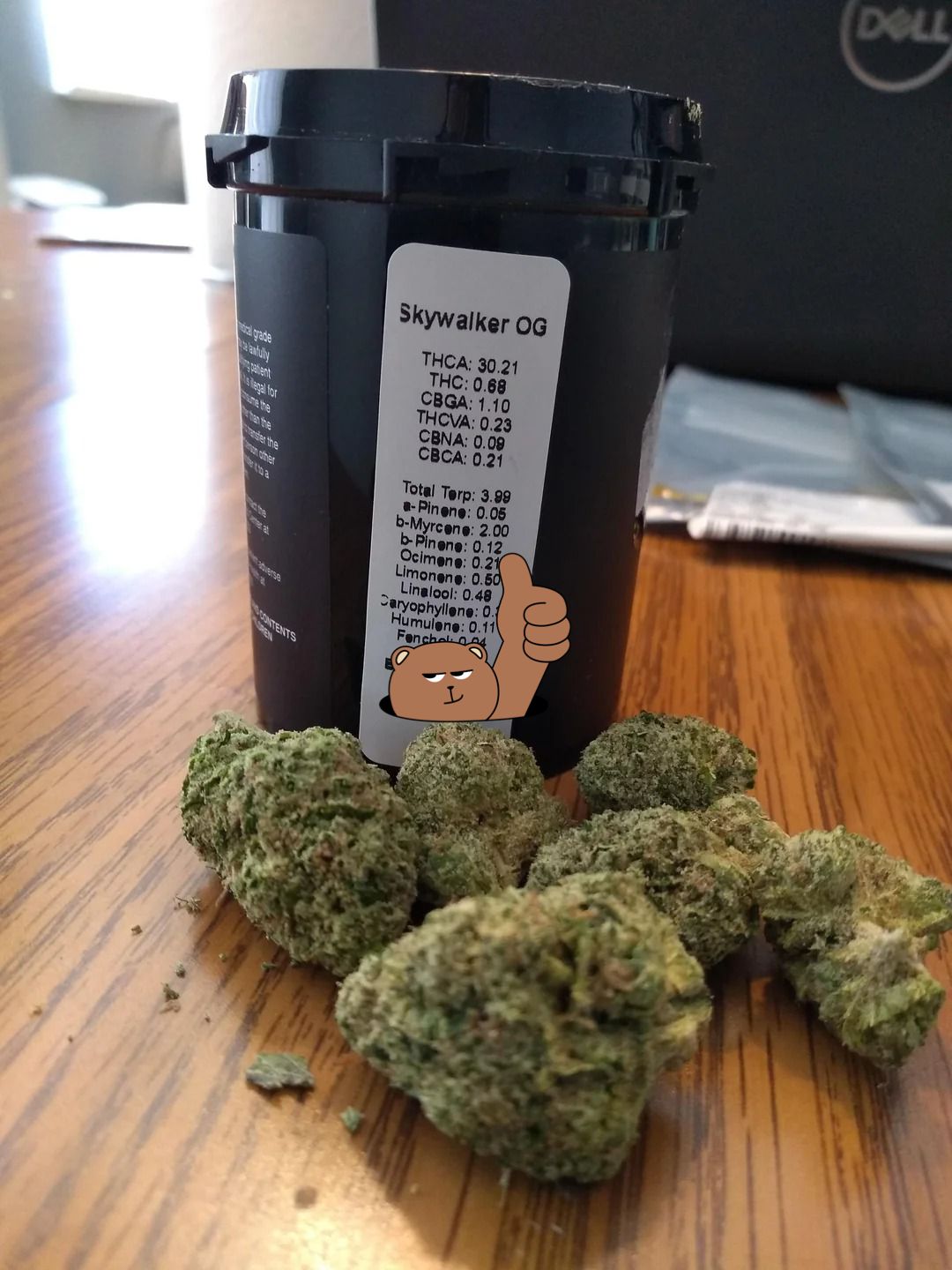
Great service, easy to work with and I’m very satisfied. I’m so happy I found skywalker here. He is super responsive, on time and the quality of weed he sells are serious on point and top notch.