
Weed in Soacha: Laws, Culture, and Cannabis Reality
Soacha is one of the largest municipalities in the department of Cundinamarca, located just south of Bogotá in Colombia. Known for its rapidly growing population and strong connection to the capital, Soacha reflects many of the broader social and legal trends shaping Colombian society—including the evolving debate around cannabis.
Cannabis in Soacha operates under Colombia’s national legal framework. The country has partially decriminalized personal possession and cultivation while strictly regulating medical cannabis and continuing to prohibit recreational sales. This complex policy environment creates a situation where cannabis exists in a gray area: tolerated in small personal quantities but still restricted in many contexts.
This article explores cannabis in Soacha in depth, including laws, social attitudes, law enforcement practices, medical cannabis developments, and what residents or visitors should understand about weed in the city.
Cannabis Laws in Soacha
Cannabis laws in Soacha follow the same national regulations applied throughout Colombia. These rules distinguish between personal consumption, medical use, and illegal trafficking.
Key Legal Rules
Colombian law allows limited personal use while maintaining strong penalties for distribution or trafficking.
Important points include:
- Possession of up to 20 grams of cannabis for personal use is decriminalized. (Is Weed Legal in Colombia?)
- Individuals can grow up to 20 cannabis plants for personal consumption. (IDPC)
- Recreational sale and distribution are illegal nationwide. (Is Weed Legal)
- Medical cannabis is legal with strict regulation and prescriptions. (Is Weed Legal)
Although possession of small amounts is decriminalized, it is not the same as full legalization. Police may still confiscate cannabis or issue administrative fines depending on the situation. (Lawzana)
Historical Background of Cannabis Policy in Colombia
Understanding weed in Soacha requires examining Colombia’s long and complicated relationship with drug policy.
During the late 20th century, Colombia became globally associated with drug cartels and the illegal narcotics trade. Government policies focused heavily on prohibition and law enforcement.
However, the approach gradually changed through court decisions and policy reforms.
Major Legal Milestones
Several important developments shaped Colombia’s current cannabis laws:
- 1986: Colombia introduced the National Narcotics Statute regulating drugs.
- 1994: The Constitutional Court decriminalized possession of small amounts of drugs for personal use. (Is Weed Legal in Colombia?)
- 2015: Courts allowed cultivation of up to 20 plants for personal consumption. (IDPC)
- 2016: The government legalized medical cannabis production and research. (Forbes)
These reforms gradually transformed Colombia into one of Latin America’s most progressive countries in medical cannabis regulation.
Cannabis Culture in Soacha
Soacha’s cannabis culture differs significantly from that of larger cities like Bogotá or Medellín. The municipality has a more traditional and working-class character, and public attitudes toward cannabis can be conservative.
Social Perceptions
Residents’ opinions about cannabis often depend on age and background:
- Older generations may associate cannabis with crime and drug trafficking.
- Younger people tend to view marijuana more as a recreational substance or lifestyle choice.
Despite these differences, cannabis consumption still carries a certain stigma in many neighborhoods.
Visibility of Cannabis Use
Cannabis use does exist in Soacha, but it is usually discreet. Public consumption is uncommon due to social pressure and legal uncertainty.
Many users prefer:
- Private spaces
- Friend gatherings
- Rural areas outside the city
Law Enforcement Practices
Even though possession of small amounts is decriminalized, interactions with law enforcement can still happen.
Police Enforcement
Authorities in Soacha typically focus on:
- Drug trafficking operations
- Illegal cultivation farms
- Distribution networks
Individuals found with small personal quantities may face:
- Confiscation of cannabis
- Administrative fines
- Identity checks
If police believe someone is selling or distributing drugs, the legal consequences can become much more serious.
Penalties for Trafficking
Selling or distributing cannabis can lead to severe penalties.
In Colombia, drug trafficking convictions may result in long prison sentences depending on the quantity involved.
Medical Cannabis in Colombia
One of the most significant developments in Colombia’s cannabis policy has been the legalization of medical marijuana.
The country created a regulatory system allowing licensed companies to cultivate, process, and export cannabis-based medicines.
Medical Access
Patients can legally obtain cannabis-based treatments if they have a doctor’s prescription.
Common medical cannabis products include:
- Cannabis oils
- Capsules
- Extracts
- Dried flower under prescription
Medical cannabis is regulated by government authorities and must meet pharmaceutical standards.
Recent Policy Changes
In 2025, the Colombian government authorized the sale of cannabis flower for medical purposes in pharmacies under prescription. (El País)
This policy aims to expand patient access while supporting small domestic cannabis producers.
The Economic Role of Cannabis in Colombia
Colombia’s cannabis industry has grown rapidly over the past decade. The country has favorable conditions for cannabis cultivation, including climate, soil quality, and relatively low production costs.
These advantages have attracted international investment.
Industry Opportunities
The legal cannabis sector creates opportunities in:
- Agriculture
- Pharmaceutical production
- Export markets
- Research and development
Although Soacha itself is not a major cannabis production center, economic developments in the industry affect the entire country.
Public Consumption Rules
Public cannabis consumption remains controversial in Colombia.
While personal use is partially protected by court decisions, government regulations still restrict where cannabis can be consumed.
Restricted Locations
Cannabis use is often prohibited in areas such as:
- Schools
- Parks and playgrounds
- Government buildings
- Public transportation areas
Authorities may issue fines or confiscate cannabis if consumption occurs in restricted spaces. (Zennjet)
Because enforcement varies by location, users often choose private settings instead.
Risks of Illegal Cannabis Purchases
Since recreational cannabis sales remain illegal in Colombia, most marijuana purchases occur in informal markets.
This creates several risks.
Legal Risk
Buying or selling cannabis outside medical channels is illegal. Anyone involved in distribution may face criminal charges.
Product Safety
Cannabis from illegal markets may be:
- Low quality
- Contaminated
- Mixed with other substances
Without regulation, there is no quality control.
Personal Safety
Illegal markets can expose individuals to scams, theft, or unsafe situations.
Cannabis and Youth in Soacha
Like many urban areas near Bogotá, Soacha faces challenges related to youth and drug exposure.
Community programs often focus on prevention, education, and harm reduction.
Schools and community organizations emphasize:
- Drug education
- Health awareness
- Prevention initiatives
These efforts aim to reduce substance abuse while providing support for young people.
Cannabis Tourism and Soacha
Unlike cities such as Medellín or Cartagena, Soacha is not known as a cannabis tourism destination.
Visitors typically come for other reasons, including:
- Local culture
- Urban exploration
- Proximity to Bogotá
Tourists interested in cannabis culture usually travel to larger Colombian cities where cannabis discussions and activism are more visible.
The Future of Cannabis Legalization in Colombia
The debate over cannabis legalization continues in Colombia.
Several proposals have attempted to legalize recreational cannabis, but so far none have fully passed Congress.
Supporters argue legalization could:
- Reduce illegal drug markets
- Generate tax revenue
- Improve regulation and safety
Opponents raise concerns about public health and youth exposure.
Despite political disagreements, discussions about legalization remain active in the country.
Responsible Cannabis Use
For individuals who choose to use cannabis where permitted, responsible behavior is essential.
Important guidelines include:
- Respect possession limits
- Avoid public consumption in restricted areas
- Never drive under the influence
- Use medical channels when possible
Following these practices helps reduce legal problems and health risks.
FAQs
Is weed legal in Soacha?
Weed is not fully legal in Soacha. Colombia allows possession of small amounts for personal use, but recreational sales remain illegal. People may carry limited quantities without criminal prosecution, though authorities can still confiscate cannabis in certain situations. (Is Weed Legal in Colombia?)
How much cannabis can someone legally carry in Soacha?
Colombian law allows individuals to possess up to 20 grams of cannabis for personal use. Possessing larger amounts may lead to criminal charges because authorities may suspect drug trafficking. (Is Weed Legal in Colombia?)
Can people grow cannabis plants at home in Soacha?
Yes. Individuals may grow up to 20 cannabis plants for personal consumption under Colombian law, provided the plants are not used for commercial distribution. (IDPC)
Is medical marijuana legal in Soacha?
Yes. Medical cannabis is legal in Colombia and can be prescribed by certified doctors. Patients can obtain cannabis-based medicines through regulated medical channels. (Is Weed Legal)
Are there recreational cannabis dispensaries in Soacha?
No. Recreational cannabis dispensaries do not exist legally in Colombia because commercial marijuana sales remain prohibited. (Is Weed Legal)
Is smoking weed in public allowed in Soacha?
Public cannabis consumption is often restricted, particularly near schools, parks, or public buildings. Authorities may issue fines or confiscate cannabis if someone violates these rules. (Zennjet)
What happens if someone sells cannabis illegally?
Selling cannabis without authorization is a criminal offense in Colombia. Individuals caught distributing drugs may face serious penalties, including imprisonment depending on the quantity involved.
Can tourists use cannabis in Soacha?
Tourists must follow the same laws as residents. Possessing small personal quantities may be tolerated, but buying, selling, or transporting cannabis can lead to legal trouble.
Conclusion
Cannabis in Soacha reflects Colombia’s broader drug policy—a mix of decriminalization, strict regulation, and ongoing political debate. Personal possession and small-scale cultivation are allowed under certain limits, but recreational sales remain illegal.
The country’s expanding medical cannabis industry shows that attitudes toward cannabis are gradually changing. However, social stigma and legal restrictions still influence how cannabis is used and perceived in communities like Soacha.
For residents and visitors, understanding the legal boundaries is essential. Staying within possession limits, avoiding public consumption in restricted areas, and respecting local laws can help individuals avoid legal complications.
As Colombia continues debating broader legalization, the cannabis landscape in cities like Soacha may continue evolving in the years ahead.
References
- The Cannigma – Cannabis Laws in Colombia
- International Drug Policy Consortium – Colombia Decriminalizes Marijuana Cultivation
- Legalize News – Cannabis Legal Status in Colombia
- El País – Colombian Government Authorizes Medical Cannabis Sales in Pharmacies
Skywalker product exceeded my expectations in both potency and purity, I really appreciated the discretion and professionalism in the delivery process , you can reach to him on Telegram t.me/skywalkerOG_1 and also there email realskywalkerog1@gmail.com
“Man, that skywalker OG you gave me last night was fire. Smoothest smoke I’ve had in months.”
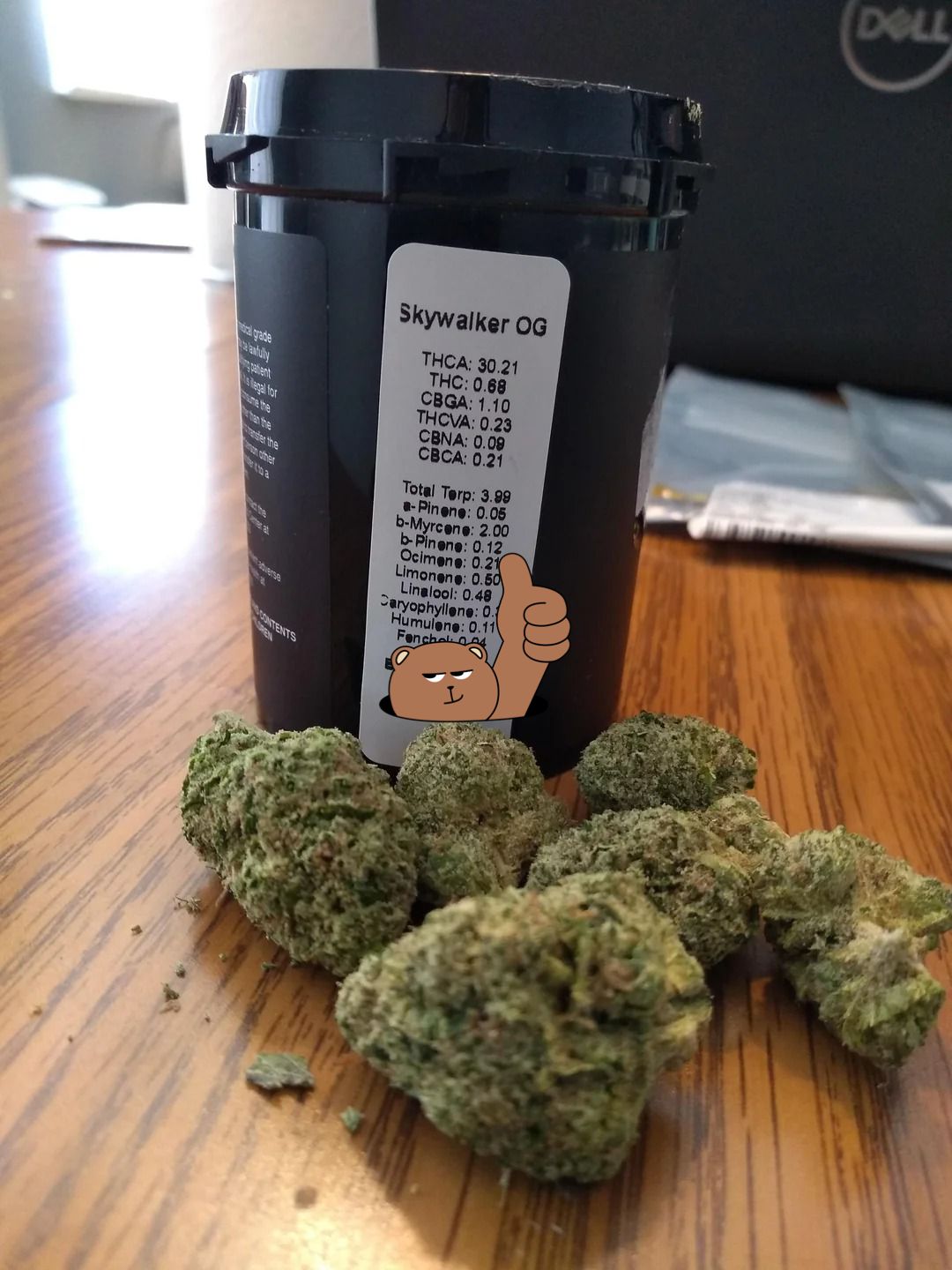
Great service, easy to work with and I’m very satisfied. I’m so happy I found skywalker here. He is super responsive, on time and the quality of weed he sells are serious on point and top notch.