
Weed in Santa Marta: A Coastal Traveler’s Guide to Cannabis Reality in Colombia
Santa Marta is one of Colombia’s most iconic gateways: Caribbean heat, palm-lined neighborhoods, a historic center that comes alive at night, and easy access to nature—from the beaches of Tayrona to the cooler mountain air of Minca. Because it’s a tourism hub, many visitors arrive with a simple assumption: “Colombia is chill about weed.” The truth is more layered.
Colombia has a long-standing legal concept often summarized as decriminalized personal use/possession within a “minimum dose” framework, while sale and unlicensed distribution remain illegal. (Cato Institute) On top of that, Colombia’s medical cannabis system has been evolving for years, and in late 2025 the country made headlines for authorizing prescription-based pharmacy sales of medical cannabis flower under Decree 1138 of 2025—a major step for patients, but not a recreational legalization switch. (El País)
This guide is built for real-world travel usefulness: what the law generally says, what “weed culture” feels like in Santa Marta, where tourists get into trouble, what medical cannabis changes mean, and safer alternatives for relaxing—without offering instructions on how to buy or find illegal drugs.
Cannabis Laws in Colombia: What “Minimum Dose” Actually Means
If you’ve heard that weed is “legal” in Colombia, you’ve probably encountered the idea of the dosis mínima (minimum dose). In broad terms, Colombia’s legal framework and constitutional jurisprudence have recognized that individuals should not be criminally punished for carrying a small personal-use quantity—often cited as up to 20 grams of cannabis. (Cato Institute)
But two important clarifications matter, especially for tourists:
- Decriminalized is not the same as legalized. Colombia does not operate a nationwide, regulated adult-use dispensary market.
- Commercial activity is a hard line. Possession “for the purpose of distribution or sale” remains criminal under Colombian law frameworks discussed in policy analyses. (Cato Institute)
So, Colombia’s approach is best understood as: personal use has legal protections within limits, while trafficking/commercialization remains illegal and serious. (Cato Institute)
Why Santa Marta Feels Different: Tourism, Visibility, and “Beach Logic”
Santa Marta’s cannabis conversations often happen in the same places tourists plan their days: hostels, beach corridors, nightlife streets, and day-trip meetups. That creates a mental trap I’ll call “beach logic”:
“It’s coastal, relaxed, and full of travelers—so rules must be relaxed too.”
In reality, Santa Marta is a functioning Colombian city with residents, families, working neighborhoods, and local norms. Tourist zones can feel permissive, but legal risk doesn’t vanish just because the atmosphere is vacation-friendly.
Also: because Santa Marta is a gateway city, you’re often moving through spaces where enforcement can be stricter—transport nodes, checkpoints, and busy public areas. Even when the law protects personal use in theory, context can turn a minor situation into a major headache.
Public Consumption: The Fastest Way to Turn Chill into Complicated
Colombia’s legal and enforcement environment around public consumption has been debated for years, with different policies and court decisions shaping how authorities handle “public order” issues. (Illicit Economies Journal)
For Santa Marta travelers, the practical takeaway is simple: public consumption is where most avoidable problems begin.
Common high-risk settings include:
- Beaches and beach entrances (tourist-heavy but still public)
- Parks, plazas, and boardwalk-style walkways
- Outside bars/clubs or on crowded nightlife streets
- Near family spaces, schools, or community gathering points
Even if someone is carrying within a “minimum dose” threshold, public behavior can still trigger police attention or complaints. The goal isn’t fear—it’s realism: the more public the setting, the less control you have over outcomes.
Buying, Selling, and “Helping Someone Out”: Where Legal Risk Jumps
A lot of tourists think the “minimum dose” idea means everything is basically fine. The bigger risk is not the personal-use concept—it’s the moment a situation looks transactional or organized.
Policy and legal summaries emphasize that Colombian law treats possession for distribution/sale differently than personal use. (Cato Institute) In practical terms, the things that can escalate risk include:
- Anything that looks like repeated transactions
- Carrying quantities that appear non-personal
- Being connected to organized sourcing (even casually)
- Acting as the “middle person” for friends (“I’ll grab it for everyone”)
If you want a smooth Santa Marta trip, the safest move is to avoid anything transactional altogether. Tourists are frequent targets for scams, price traps, and risky situations.
Medical Cannabis in Colombia: The Legal Framework and the 2025 Pharmacy Shift
Colombia has built a structured medical cannabis framework over the past decade. Legal and industry analyses commonly point to Law 1787 of 2016 as foundational, later regulated through Decree 613 of 2017 and related measures setting licensing categories and oversight. (Legalink)
What changed recently (and matters for 2025–2026 travelers) is the move toward pharmacy access to medical cannabis flower:
- In late 2025, Colombia authorized the sale of dry cannabis flower as a finished product for medical (and veterinary) use in pharmacies with a prescription, via Decree 1138 of 2025. (El País)
- Reporting frames this as an expansion from earlier rules that largely centered on derivatives like oils and extracts, and it emphasizes strict sanitary controls and a regulated, prescription-based model—not recreational legalization. (El País)
A second important nuance from coverage: even when a decree is in place, real access can be slowed by costs, administrative requirements, supply chains, and rollout logistics—meaning patients may not feel the impact immediately everywhere. (El País)
Can Tourists Use Colombia’s Medical Cannabis System in Santa Marta?
Usually, not in a simple “walk in and buy it” way.
Medical cannabis systems are typically designed around local prescribing and dispensing rules. Even where prescriptions are possible, visitors can run into:
- Documentation mismatches
- Provider/prescriber availability
- Pharmacy readiness and product availability
- Administrative barriers
Also, cross-border transport of THC products is a separate risk category. Even in places with medical cannabis, traveling with THC (especially across borders) can be legally complicated. If you’re a medical patient, the safest approach is to plan conservatively and verify requirements through official channels before traveling.
Santa Marta Cannabis Culture: What It Feels Like (Without the Fantasy)
Cannabis “culture” in Santa Marta can feel visible in tourist circuits, but it’s not the same as a regulated recreational market. The scene tends to split into three worlds:
- Backpacker chatter: lots of stories, mixed accuracy, and plenty of bravado
- Local discretion: residents who prefer privacy and low visibility
- Tourist opportunism: people who approach visitors because they assume tourists are easy money
That third category is the most dangerous—not because everyone is malicious, but because it increases the chance of scams, theft, or being pulled into a situation you can’t control.
Travel advisories emphasize that involvement with illegal drugs can expose travelers to serious legal consequences and broader safety risks. (GOV.UK)
Health and Product Risks: Why “Street Weed” Can Be a Bad Bet in Hot, Humid Places
Santa Marta’s climate is beautiful—sun, sea breeze, tropical nights—but heat and humidity can be rough on storage and quality. With unregulated products, common risks include:
- Mold or poor curing
- Unknown potency (especially for visitors with low tolerance)
- Contamination from pesticides or improper handling
- Synthetic additives or mixed substances (rare, but not impossible)
For travelers, unpredictability is the enemy. A “small experiment” can become an anxiety spiral, a medical scare, or a conflict with hostel staff or neighbors.
The Accommodation Factor: Hostels, Hotels, and the Smell Problem
A very common Santa Marta problem has nothing to do with police—and everything to do with how smell travels.
Hostels and hotels may have:
- Strict no-smoking rules (even on balconies)
- Shared ventilation and close neighbors
- Staff who respond quickly to complaints
- Policies that allow removal without refund
In tight hostel environments, one person’s “quiet moment” becomes everyone’s business within minutes. Even if something is happening out of sight, smell creates visibility.
Safer, Legal Alternatives for Relaxing in Santa Marta
A lot of visitors aren’t chasing cannabis—they’re chasing the feeling: decompression, laughter, appetite, sleep, “vacation brain.” Santa Marta is packed with legal ways to get those outcomes without adding legal or safety risk:
- Sunrise beach walks (cooler air, calmer mind)
- Tayrona-style nature days (movement + ocean = natural reset)
- Minca-style slow afternoons (cooler temps, coffee, less chaos)
- Caribbean food routines (consistent meals help mood and sleep)
- Hydration and electrolytes (heat stress often feels like anxiety)
- Breathwork + shade breaks (simple but effective in tropical climates)
If you want the “relaxed” state, nature and heat-smart routines often outperform substances—especially in a place built for outdoor calm.
Harm Reduction: General Safety Guidance (Without Facilitating Illegal Use)
I can’t help with buying, sourcing, or hiding illegal drugs. But if your priority is health and safety, these general principles reduce harm anywhere:
- Don’t mix substances (especially cannabis + alcohol)
- Don’t drive, scooter, or swim impaired
- If someone panics: quiet shade, hydration, reassurance, slow breathing
- Seek medical help for alarming symptoms (fainting, chest pain, severe confusion, danger to self/others)
And from a travel-safety perspective, avoid drug scenes. Government travel guidance warns that illegal drugs can carry severe penalties and increase exposure to dangerous situations. (GOV.UK)
FAQs About Weed in Santa Marta
Is weed legal in Santa Marta, Colombia?
Colombia is often described as decriminalizing personal possession/consumption within a “minimum dose” framework (commonly cited as up to 20 grams), but recreational cannabis is not legalized as a regulated retail market, and sale/distribution remains illegal. (Cato Institute)
Can I smoke weed on the beach in Santa Marta?
Beaches are public spaces, and public consumption can create problems depending on context and enforcement. Public behavior is the fastest way for tourists to attract attention or complaints.
If I carry less than the “minimum dose,” am I safe?
Not guaranteed. Decriminalization doesn’t mean zero consequences, and anything that looks transactional or disruptive can escalate quickly. (Cato Institute)
Is medical cannabis legal in Colombia?
Yes. Colombia has a medical cannabis framework rooted in Law 1787 of 2016 and subsequent regulations (including Decree 613 of 2017) that structure licensed activities and oversight. (Legalink)
What changed in 2025 about medical cannabis?
In late 2025, Colombia authorized prescription-based pharmacy sales of medical cannabis flower as a finished product via Decree 1138 of 2025, under strict controls—without legalizing recreational use. (El País)
Does that mean recreational weed is legal now?
No. Reporting on Decree 1138 of 2025 describes a medical, prescription-only pathway and explicitly notes it does not legalize recreational use. (El País)
Is Santa Marta a “weed tourism” destination?
Santa Marta is a major tourist gateway, and cannabis chatter exists in traveler circles, but it’s not a regulated adult-use market. Treat tourist-oriented “offers” as high-risk for scams and safety issues.
What’s the safest advice for tourists?
Avoid public consumption, avoid transactions, and avoid drug scenes. Travel guidance warns of severe penalties and safety risks around illegal drugs. (GOV.UK)
References (Just 3 Outbound Links)
- NORML (cannabis policy and legal education): https://norml.org/
- Project CBD (cannabinoid education and research): https://projectcbd.org/
- Leafly (cannabis education and terminology): https://www.leafly.com/
Conclusion
Santa Marta sells a feeling: warm nights, ocean air, street food, and that “tomorrow can wait” coastal mindset. Cannabis, however, sits in a more complicated reality. Colombia’s legal environment has long recognized personal-use protections within a minimum dose concept, while keeping a strict boundary around sale and unlicensed distribution. (Cato Institute)
In 2025, Colombia took a meaningful step for patients by authorizing prescription-based pharmacy sales of medical cannabis flower under Decree 1138 of 2025—a medical expansion that still doesn’t equal recreational legalization. (El País)
If you’re visiting Santa Marta, the smartest play is to keep your trip low-risk: skip public consumption, avoid transactions, and lean into the city’s natural relaxation tools—beaches at sunrise, nature day trips, heat-smart routines, and slow Caribbean afternoons. The goal is simple: take home memories, not problems.
Skywalker product exceeded my expectations in both potency and purity, I really appreciated the discretion and professionalism in the delivery process , you can reach to him on Telegram t.me/skywalkerOG_1 and also there email realskywalkerog1@gmail.com
“Man, that skywalker OG you gave me last night was fire. Smoothest smoke I’ve had in months.”
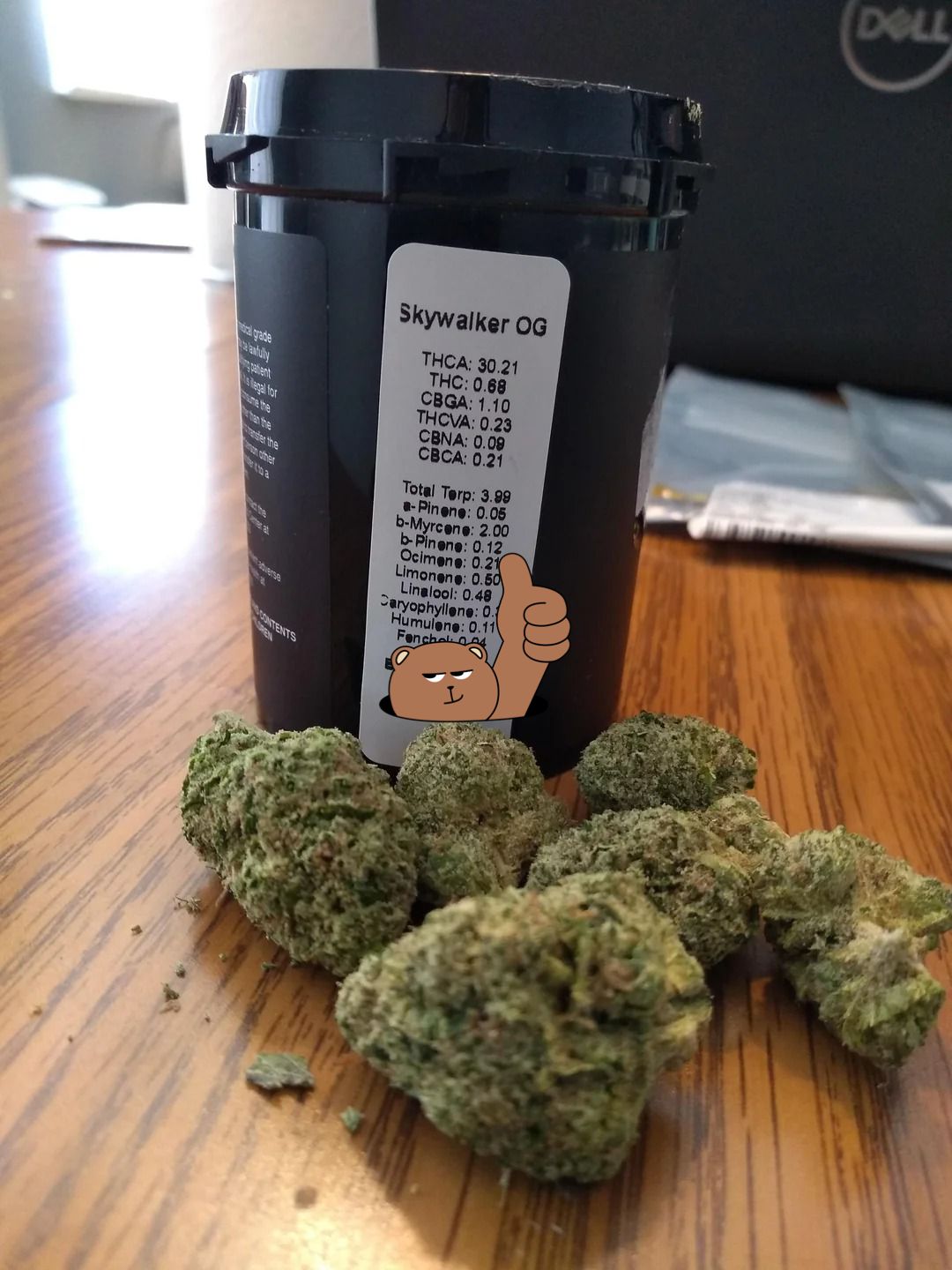
Great service, easy to work with and I’m very satisfied. I’m so happy I found skywalker here. He is super responsive, on time and the quality of weed he sells are serious on point and top notch.