
🌿 Weed in Floridablanca: Legal Framework, Culture, Reality, and the Ground Truth
Floridablanca — a city in the Santander department of Colombia, part of the Bucaramanga metropolitan area — is an urban community shaped by Colombia’s evolving drug policies, economic development, and unique social dynamics. Unlike countries with fully legalized recreational markets, Colombia’s approach to cannabis is a complex mix of partial decriminalization, medical legalization, and ongoing legal uncertainty around recreational supply. Floridablanca sits squarely within that regulatory reality: cannabis exists socially and personally, yet its commercial sale and public distribution remain illegal.
This article unpacks how cannabis intersects with daily life in Floridablanca — from legal norms and cultural attitudes to enforcement patterns and public health perceptions — providing both local context and national legal background.
🇨🇴 Colombia’s Cannabis Legal Framework and Its Implications for Floridablanca
Cannabis regulation in Colombia has undergone significant change over the past decade. Key legal milestones created a wide gap between medical legality and recreational ambiguity:
- Commercial sale, distribution, and public supply of recreational cannabis remain illegal, with trafficking penalized under criminal law.
This framework creates a unique environment where patients can legally access cannabis for health reasons, adults can personally possess and use cannabis in private without major criminal risk, and yet no legal adult-use market exists for recreational consumers. Activities that touch on sale, trafficking, or public use can lead to arrest, fines, or prosecution.
For a comprehensive breakdown of the Colombian cannabis legal landscape — including medical, recreational, and regulatory distinctions — see the detailed entry on Cannabis in Colombia on Wikipedia:
👉 https://en.wikipedia.org/wiki/Cannabis_in_Colombia
In Floridablanca, as elsewhere in Colombia, national law has direct bearing on what police enforce, how courts interpret cannabis-related offenses, and what residents can and cannot legally do. Municipal ordinances sometimes adapt public order measures — such as fines for public consumption — but cannot override national definitions of criminal versus decriminalized conduct.
🌍 Floridablanca’s Cannabis Scene: Social Use, Perception, and Local Norms
Unlike cities with regulated dispensaries or recreational markets, Floridablanca does not have licensed shops selling cannabis for adult use. Instead, the cannabis landscape is shaped by:
- Personal consumption patterns: Many local adults who choose to use cannabis do so in private settings like homes or close social circles to reduce legal and social risk.
- Underground supply: Cannabis moves primarily through informal networks rather than visible storefronts — a reality that characterizes much of Colombia’s recreational landscape outside the brief window of regulated medical dispensaries.
- Youth and student culture: Younger residents and university students are often more open about cannabis use, reflecting global youth cultures and shifting social norms, even if they choose discretion in public spaces.
- Public attitudes that are evolving: Older generations often retain conservative views shaped by decades of anti-drug campaigns, while younger cohorts tend to view cannabis with neutrality or acceptance, especially outside law enforcement contexts.
Because recreational sale is illegal, cannabis does not appear in the urban fabric the way it might in Amsterdam’s coffee shops or in legalized U.S. states. Social use is real but largely invisible, with people preferring privacy and avoiding public consumption.
🛡️ Enforcement, Public Consumption, and Policing in Floridablanca
Law enforcement in Floridablanca reflects national priorities: trafficking and visible public dealing are high-priority targets, while personal possession in limited contexts is often approached with administrative responses.
Public Consumption
Cannabis smoking in parks, beaches, plazas, or other public spaces is illegal and subject to administrative sanctions or fines under local public order codes. Police may seize cannabis observed in public settings and issue citations.
Trafficking and Sale
Anyone caught distributing or selling cannabis — even in small quantities — can face criminal charges under national narcotics laws. Local news frequently reports on police operations targeting alleged dealers or dismantling distribution networks that use residential neighborhoods as hubs.
For example, municipal and national police joint operations have resulted in the arrest of individuals accused of micro-trafficking — a term used for small-scale sale of cannabis and other drugs — with police seizing illicit substances and moving suspects into the criminal justice system.
Cultivation
Officers sometimes encounter home cultivation cases. Limited growth for personal use is technically tolerated under legal precedent; however, if plants are visible from public spaces or appear correlated with commercial intent, police may pursue action under trafficking statutes.
Law enforcement messaging tends to emphasize public order and safety alongside legal boundaries — particularly in community outreach efforts aimed at reducing youth involvement in illegal drug markets.
🩺 Medical Cannabis: Access, Prescription, and Reality in Floridablanca
Access to medical cannabis in Colombia — and thus for residents of Floridablanca — is lawful but structured under a tight medical regime:
- Patients must receive a prescription from a licensed physician for specific medical conditions recognized under national regulations.
- Insurance does not typically cover medical cannabis, so patients pay out-of-pocket for products, which can be expensive relative to informal cannabis in illegal markets.
In practice, medical cannabis remains a specialized market compared to recreational use. While legal and regulated, its availability depends on physician willingness to prescribe, access to licensed pharmacies, and awareness among patients and families/weed in Floridablanca.
⚖️ The Legal Paradox: Personal Use vs. Commercial Prohibition
One of the most striking features of Colombia’s cannabis regime is the legal .
This paradox plays out plainly in Floridablanca: a resident may legally smoke weed at home — if it is their own and remains within quantity limits — but cannot lawfully buy or sell cannabis through a licensed store, public vendor, or commercial outlet/weed in Floridablanca.
Colombian legislators have debated fuller legalization or regulated adult markets, but as of 2026, these proposals have not materialized into binding law. Ongoing discussions in Congress and among civil society illustrate that cannabis is a subject of active policy debate, but the duality between allowed personal behavior and disallowed commercial systems persists.
📉 Health, Risks, and Community Perspectives
Cannabis use involves a spectrum of health, safety, and social considerations/weed in Floridablanca.
Public Health Considerations
Cannabis consumption — like any psychoactive substance — carries health implications. These include potential respiratory effects if smoked, cognitive effects (especially for heavy or early-onset users), and risks of dependency in susceptible individuals. Local health providers emphasize education around responsible use, harm reduction, and awareness of mental health impacts.
Safety and Community Standards
Community norms in Floridablanca tend to prioritize family settings, public order, and youth protection.
Groups working on substance abuse prevention — including government health departments and civil society organizations — tend to focus on holistic health education rather than punitive approaches alone. They address both alcohol and drug use, including cannabis, under broader health promotion campaigns.
💡 FAQs: Weed in Floridablanca
❓ Is recreational cannabis legal in Floridablanca?
No. Recreational cannabis sale, distribution, and public supply remain illegal under Colombian law. Private possession and use in limited personal amounts are decriminalized but not fully legalized or regulated through commercial markets.
❓ How much cannabis can I legally possess?
Adults may possess up to defined personal use quantities (commonly interpreted as 20 g or less). Exceeding this amount can be treated as a trafficking offence with possible criminal consequences.
❓ Can I grow cannabis at home in Floridablanca?
Yes, home cultivation of a small number of plants for personal use is tolerated, so long as the plants remain out of public view and there is no indication of commercial intent. Visibility from public spaces or larger scale growth may trigger legal enforcement.
❓ Can tourists use cannabis legally?
Tourists may legally possess a personal amount and use cannabis privately, but cannot legally purchase or transport cannabis via regulated commercial channels, and public consumption remains illegal regardless of nationality.
❓ Is there a legal way to buy cannabis in Floridablanca?
No. There is no regulated adult-use cannabis market in Colombia. Medical cannabis products can be legally purchased with a prescription, but recreational cannabis cannot be bought through licensed stores or dispensaries.
❓ What are penalties for illegal sale or distribution?
Trafficking, sale, or distribution of cannabis is a criminal offence and can lead to fines, imprisonment, and entry into the criminal justice system. Law enforcement in Floridablanca actively targets illegal supply networks.
❓ Is medical cannabis available?
Yes. Patients with qualifying conditions and a valid prescription from a licensed physician can access medical cannabis products through regulated channels, including pharmacies and licensed distributors.
❓ Does the government enforce public consumption bans?
Yes. Smoking or consuming cannabis in public places (streets, parks, plazas) is prohibited and can lead to administrative sanctions, confiscation, or citations from authorities.
📚 References
For a clear, authoritative overview of cannabis laws and regulation in Colombia — including legal distinctions between medical use, personal possession, and commercial prohibition — see the Cannabis in Colombia entry on Wikipedia:
👉 https://en.wikipedia.org/wiki/Cannabis_in_Colombia
🧠 Conclusion
In Floridablanca — like the rest of Colombia — cannabis exists in a nuanced legal and social environment shaped by decades of reform, public health debates, and evolving perceptions. Medical cannabis is legally available to patients with valid prescriptions, but commercial markets for adult use remain absent.
Law enforcement focuses on trafficking and visible public supply rather than low-level personal behavior, though public consumption can still trigger administrative penalties.
For residents and visitors alike, the safest approach includes understanding legal boundaries, respecting private-use restrictions, refraining from public consumption, and avoiding unregulated supply channels. Ongoing policy discussions at the national level suggest Colombia’s cannabis landscape may continue evolving — but as of 2026, the core legal framework remains a blend of personal tolerance and commercial prohibition.
Skywalker product exceeded my expectations in both potency and purity, I really appreciated the discretion and professionalism in the delivery process , you can reach to him on Telegram t.me/skywalkerOG_1 and also there email realskywalkerog1@gmail.com
“Man, that skywalker OG you gave me last night was fire. Smoothest smoke I’ve had in months.”
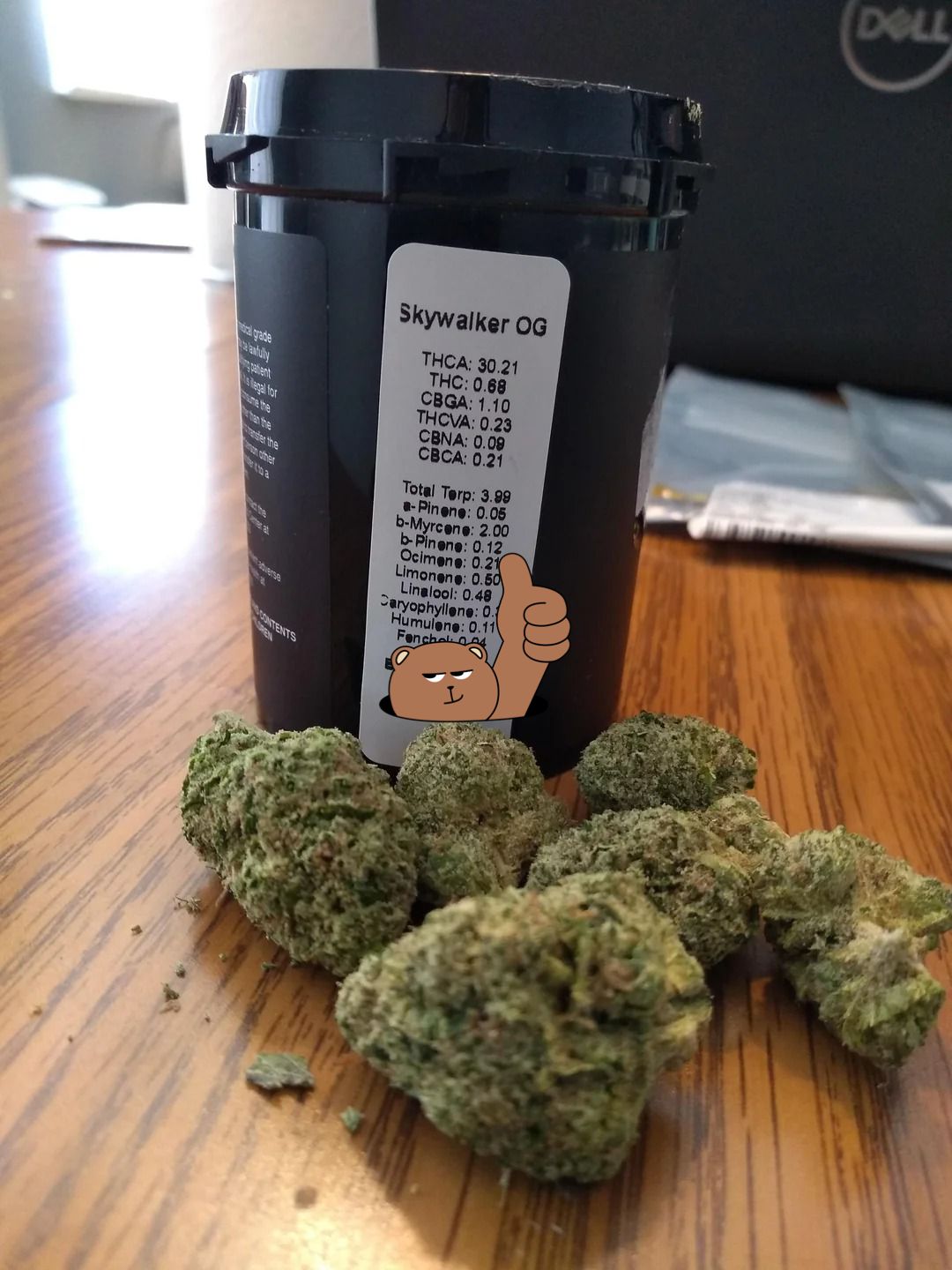
Great service, easy to work with and I’m very satisfied. I’m so happy I found skywalker here. He is super responsive, on time and the quality of weed he sells are serious on point and top notch.