
Uribia, desert horizons, and cannabis reality in La Guajira (Nice introduction)
Uribia sits in Colombia’s far-northeastern department of La Guajira, in a landscape that feels more like a desert frontier than the lush tropics many travelers imagine when they hear “Colombia.” It’s widely known for its strong Wayuu presence and cultural identity, and for the arid environment of the Upper Guajira—hot, dry, and shaped by scarcity of water and long distances between settlements. (Wikipedia)
That setting matters when people ask about cannabis. In places where tourism infrastructure is light and the social fabric is tight-knit, the risks attached to anything “grey market” can increase. Visitors sometimes arrive with two opposite myths: either “Colombia is strict everywhere” or “Colombia is chill about weed.” In reality, Colombia’s legal approach is nuanced, and Uribia’s practical reality demands extra caution.
Colombia does have a long-standing concept that possession for personal use (the “minimum dose”) should not be punished like trafficking, rooted in a landmark 1994 Constitutional Court decision that decriminalized personal drug consumption/possession within the “minimum amount” concept. (TNI) But that does not create a legal recreational market, and it does not make street buying safe or legal. For travelers, the safest strategy is less about legal theory and more about avoiding situations that can lead to police encounters, scams, or worse—especially in remote regions/weed in Uribia.
This article is written for human readability and travel awareness. It does not include instructions on where to buy or how to source/weed in Uribia.
Where Uribia is, and why its context changes the cannabis conversation
Uribia is a municipality in La Guajira with an arid desert climate (hot temperatures year-round and low rainfall), and it’s commonly described as predominantly inhabited by the Wayuu people, with cultural events like the Festival of Wayuu Culture. (Wikipedia)
Why this matters for a “weed in Uribia” guide:
- Less anonymity: In smaller or more community-centered places, outsiders stand out.
- Higher downside for mistakes: A misunderstanding can escalate faster when you’re far from big-city legal resources and translation support.
- Security and vulnerability factors: La Guajira has well-documented environmental and socioeconomic strain affecting local communities, including the Wayuu, which can shape how informal markets operate and who gets targeted. (AP News)
If you’re building a page for readers planning a trip, make your main point early: Uribia is not a cannabis tourism destination. It’s a culturally significant, environmentally extreme region where travelers should prioritize respectful behavior and personal safety.
Colombia’s cannabis law basics, in plain terms
Colombia’s cannabis reality is often summarized in three pillars:
1) The “minimum dose” concept exists
A 1986 law defined a “minimum dose” for personal consumption (often cited as up to 20 grams of marijuana), and in 1994 Colombia’s Constitutional Court ruled that individuals could not be penalized for carrying that minimum dose for personal use, framing it as part of personal/intimate rights. (TNI)
2) Sale and distribution remain illegal
Even while “minimum dose” possession is treated differently, policy and legal summaries emphasize that possessing narcotics “for the purpose of distribution or sale” remains a criminal issue. (Cato Institute)
3) Context can outweigh quantities
The law in practice often turns on what the situation suggests: personal use vs. supply, private vs. public behavior, and whether you appear to be causing harm or disorder.
Travel takeaway: Colombia’s framework can be more nuanced than “zero tolerance,” but it is not a legal retail environment for tourists, and it’s not a permission slip to buy on the street.
The “personal dose” myth: what it is and what it isn’t
Many travelers stop reading after: “20 grams is allowed.” That’s a misunderstanding.
What the minimum-dose concept is:
- A legal distinction designed to keep personal consumption from being punished like trafficking, grounded in constitutional reasoning in Colombia. (TNI)
What it isn’t:
- A legal right to purchase cannabis from anyone.
- A guarantee you won’t be stopped or searched.
- A guarantee you won’t face confiscation, questioning, or administrative issues.
- A universal rule applied identically across locations and circumstances.
In remote areas, the “practical risk” is often higher because you have fewer ways to resolve misunderstandings quickly. If your guide aims to protect readers, your language should be clear: “minimum dose” is a legal concept, not a travel hack.
Cultivation headlines: the “20 plants” idea, and why travelers should treat it as background only
Another frequently repeated headline in Colombia is that cultivating up to 20 plants has been treated as non-criminal in certain Supreme Court interpretations and public reporting. (Colombia News)
For a visitor in Uribia, this has almost no practical relevance:
- You’re not cultivating on a short trip.
- Cultivation-related legal outcomes still depend on circumstances and the appearance of commercial intent.
- Anything that resembles distribution can dramatically increase legal exposure.
If you include the “20 plants” detail, present it as context about Colombia’s personal-use framework—not as actionable travel advice.
Uribia-specific travel risks: why “street market” problems are amplified
Cannabis risk for travelers in Uribia isn’t mainly about plant potency or “culture.” It’s about the risks around informal markets in a region where visitors may be unfamiliar with local norms and where economic vulnerability is a real issue.
Key risks to highlight in a responsible guide:
- Scams and overcharging: Outsiders can be seen as easy targets.
- Personal safety risk: Meeting strangers for any illicit transaction increases exposure to theft, coercion, or being led into unsafe areas.
- Unregulated product uncertainty: In any informal market, contamination and mislabeling are possible.
- Community impact: In places with tight-knit indigenous culture and documented climate/economic pressures, drug-tourism behavior can be socially harmful and disrespectful. (AP News)
In short: if a reader is asking “weed in Uribia,” the most helpful answer is often: don’t make cannabis the reason you enter risky social situations in a remote region.
Public consumption: the fastest way to attract trouble
Even if a traveler believes they fall under “personal use,” public behavior changes everything.
Uribia’s public spaces and daily life are not built around accommodating tourist experimentation. Public consumption can invite:
- complaints,
- police attention,
- misunderstanding (“Are you selling?”),
- and escalation if you appear intoxicated or disruptive.
Your article doesn’t need dramatic warnings—just a clear travel rule: avoid public consumption entirely if you want the lowest-risk trip.
Medical cannabis in Colombia: the important 2025 update
Colombia has had a regulated medical cannabis framework for years, and in late 2025 a major update expanded it: Decree 1138 of 2025 authorized the sale of dried cannabis flower for medical and veterinary purposes through pharmacies, under prescription and sanitary controls, without legalizing recreational use. (El País)
Why this matters for your Uribia guide:
- It keeps your content current and credible.
- It helps readers understand that “medical reform” is real but separate from recreational legality.
- It discourages the common tourist mistake: assuming medical policy changes mean casual access is now legal.
Also note: reporting around implementation has discussed practical barriers and debate within the sector, reinforcing that this is a regulated system—not a free-for-all. (El País)
Harm reduction for travelers (without facilitating illegal activity)
If you want your guide to be useful even to readers who won’t touch cannabis, include harm-reduction basics that protect health and itinerary:
- Heat management is non-negotiable: Uribia’s desert climate can make dehydration and dizziness more likely. Plan shade breaks, water, and electrolytes. (Wikipedia)
- Don’t mix substances: Alcohol plus cannabis increases impairment and bad decisions—especially in unfamiliar settings.
- Don’t drive or ride impaired: Road conditions, distance, and local traffic patterns can make small judgment errors serious.
- Stay with trusted people: Remote travel is not the place for solo wandering while impaired.
- Keep your documentation secure: If anything goes wrong, you want ID and contacts accessible without panic.
This kind of section boosts trust and keeps your content aligned with safety-focused travel writing.
Legal alternatives in Uribia for the “relaxation” travelers seek
Many readers look for cannabis because they want: relaxation, sleep, mood lift, or stress relief. In Uribia, you can offer alternatives that match the region:
- Sunset and stargazing routines: Desert horizons can be naturally calming—build evenings around quiet observation instead of substances.
- Culture-first travel: Handicrafts, Wayuu cultural learning (done respectfully), and local food experiences often provide a deeper “reset” than intoxication.
- Sleep hygiene tools: eye mask, earplugs, consistent bedtime, and reduced late caffeine.
- Body-based calming: gentle stretching and slow walking during cooler hours.
These suggestions also make your page helpful for a broader audience and reduce legal risk.
FAQs: Weed in Uribia
Is weed legal in Uribia, Colombia?
Recreational cannabis sales are not legal. Colombia has a long-standing “minimum dose” concept and a 1994 Constitutional Court ruling that decriminalized personal possession/consumption within that minimum-dose idea, but that does not create a legal recreational market. (TNI)
What is the “minimum dose” for cannabis in Colombia?
A widely cited benchmark is up to 20 grams as the “minimum dose” concept for personal consumption in Colombia’s legal/policy discussions. (Cato Institute)
Does “minimum dose” mean I can buy weed safely as a tourist?
No. The minimum-dose concept is about personal possession/consumption being treated differently than trafficking, not about legal purchasing. Informal purchases remain illegal and can create serious safety risk. (Cato Institute)
Is Uribia a cannabis tourism destination?
No. Uribia is better understood as a culturally significant Wayuu region in an arid part of La Guajira. Travelers should prioritize respectful cultural travel and safety rather than chasing cannabis experiences. (Wikipedia)
Is medical cannabis legal in Colombia?
Yes. Colombia has a regulated medical cannabis framework, and Decree 1138 of 2025 authorized the sale of dried cannabis flower for medical and veterinary purposes in pharmacies under prescription and controls, without legalizing recreational use. (El País)
Does the 2025 decree mean recreational weed is legal now?
No. The decree expands regulated medical/veterinary access; it does not legalize recreational cannabis. (El País)
What’s the biggest practical risk for travelers asking about weed in Uribia?
The biggest risk is getting pulled into informal-market situations (scams, unsafe areas, police encounters). In remote travel contexts, the downside of mistakes is higher.
What’s a safer, legal way to relax in Uribia?
Use heat-smart travel routines (hydration, shade breaks), sleep hygiene tools, and culture-first activities. Uribia’s environment and traditions can be calming without introducing legal risk. (Wikipedia)
Skywalker product exceeded my expectations in both potency and purity, I really appreciated the discretion and professionalism in the delivery process , you can reach to him on Telegram t.me/skywalkerOG_1 and also there email realskywalkerog1@gmail.com
“Man, that skywalker OG you gave me last night was fire. Smoothest smoke I’ve had in months.”
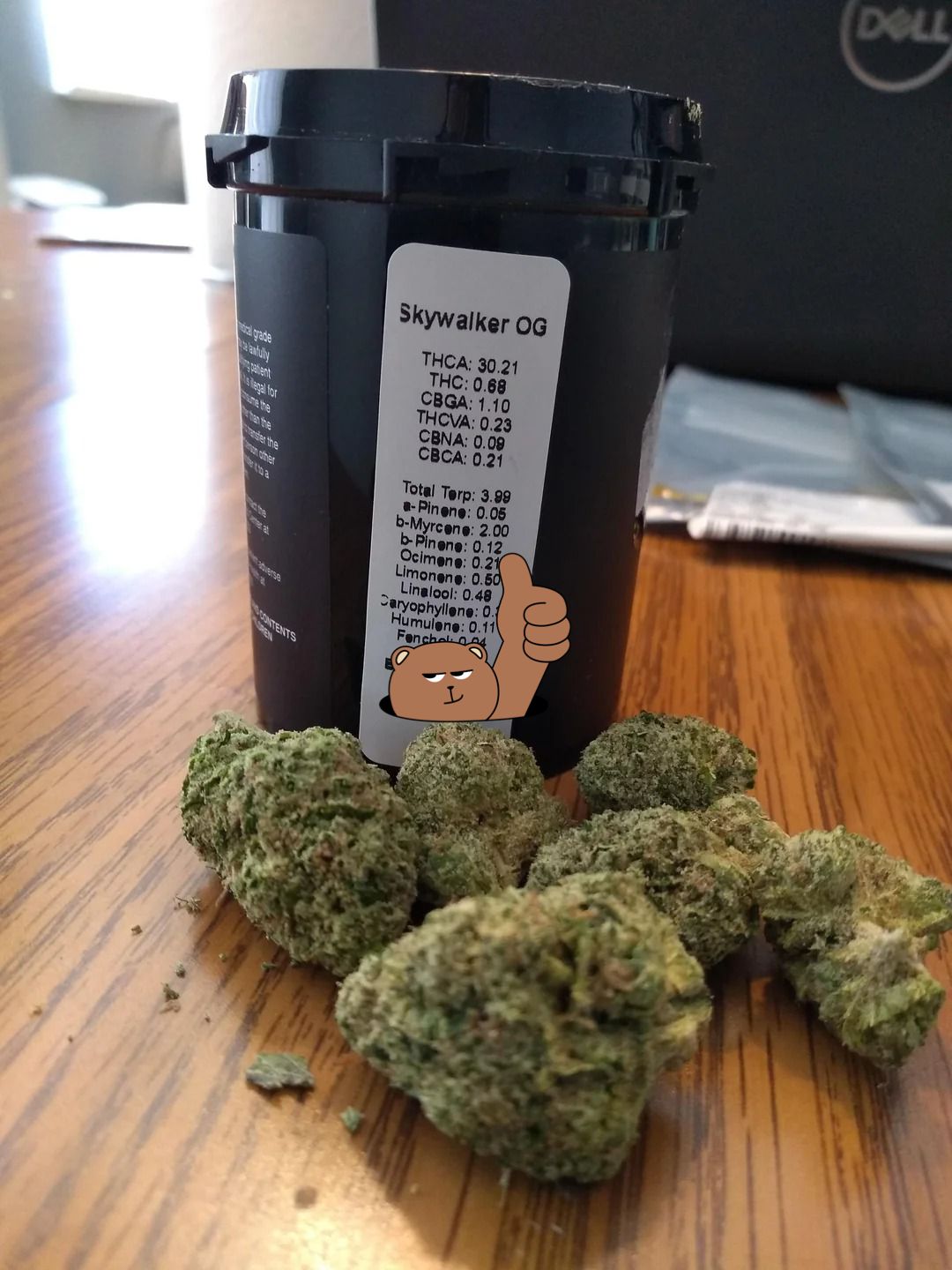
Great service, easy to work with and I’m very satisfied. I’m so happy I found skywalker here. He is super responsive, on time and the quality of weed he sells are serious on point and top notch.