
🌿 Weed in Fusagasugá: Cannabis Law, Culture, Enforcement, and Reality
Fusagasugá — a mid-sized city in the department of Cundinamarca, Colombia — lies about 60 km south of Bogotá and is known locally as a quieter counterpart to the capital’s hustle, with a surrounding valley landscape and deep historical roots tied to indigenous Sutagao culture.
This article explores how cannabis fits into everyday life and law in Fusagasugá, including national legislation, local enforcement, social attitudes, public safety issues, frequently asked questions, and a conclusion synthesizing current trends and future possibilities. The discussion touches on policing, recreational norms, medical access, underground markets, and public perception in a changing national context.
🇨🇴 Colombia’s Cannabis Laws and How They Apply in Fusagasugá
To understand cannabis in Fusagasugá, it’s essential to start with the national legal framework in Colombia, which applies uniformly to all municipalities including Fusagasugá. Cannabis regulation in Colombia differs substantially from full legalization models seen in Canada or parts of the United States.
Key points of Colombian cannabis law include:
- Public consumption and public sale remain prohibited, and trafficking, distribution, and commercial sale of recreational cannabis remain illegal.
These legal contours mean that while individuals in Fusagasugá can legally possess and consume cannabis in certain personal contexts, the sale, purchase, and distribution of cannabis outside the medical framework remain criminal offences. (The Cannigma)
For a high-level overview of Colombia’s cannabis laws — including medical, industrial, and recreational distinctions — see Is Weed Legal in Colombia? on Cannigma, which breaks down legal status, possession limits, and regulatory nuances. https://cannigma.com/regulation/cannabis-laws-colombia/ (The Cannigma)
🌍 Fusagasugá’s Local Cannabis Scene: Culture, Use, and Enforcement
Fusagasugá occupies a middle ground where national law intersects with local realities. The city’s cannabis scene isn’t defined by legal dispensaries or recreational markets, but rather by the interplay of decriminalization, social attitudes, policing actions, and informal distribution networks.
Personal Use and Public Consumption
Police and local enforcement typically focus on preventing public intoxication, trafficking, and sale rather than private consumption within homes or private properties. (The Cannigma)
Public consumption — in parks, streets, or public events — is not legal and is actively discouraged by authorities. While personal possession may avoid criminal charges, public consumption can lead to administrative fines or confiscation if detected by law enforcement.
Enforcement and Public Safety Operations
Fusagasugá has seen significant police actions related to cannabis and other drugs, including intelligence-led seizures and arrests connected with trafficking. For example, the National Police dismantled a local criminal group involved in the neighborhood distribution of marihuana (marijuana) and other drugs, making multiple arrests and seizing doses during operations. (Policía Nacional de Colombia)
In another high-profile case, police intercepted a truck carrying 1.5 tonnes of marijuana destined for Bogotá, highlighting Fusagasugá’s role as a transit point on major drug routes and the continuing importance of law enforcement operations targeting illicit distribution. (CityTV)
Social Attitudes and Cultural Trends
Cannabis use in Colombia spans a wide spectrum of social attitudes, from traditional stigma among older generations to greater acceptance among younger people and certain countercultural groups. Artistic expression, music, and public dialogues reflect a nuanced approach that combines curiosity, caution, and calls for deeper reform, even as criminalization of sale persists. (Reddit)
Fusagasugá, with its proximity to Bogotá and local youth culture, reflects these broader trends: usage patterns are more private and subdued compared with large urban centers, and many users choose discretion to avoid legal complications.
🩺 Medical Cannabis Access in Fusagasugá
Access to medical cannabis in Fusagasugá follows national Colombia protocols — residents must obtain a prescription from a certified physician and purchase regulated products from licensed dispensaries or pharmacies. This framework has grown over the past decade, and continues to expand under recent regulatory updates.
This reform aims to balance clinical access with strict controls over product quality, THC limits, and supply chain traceability. (El País)
For Fusagasugá residents, this means legitimate access to medical cannabis products is growing but remains tightly regulated — patients must work through health professionals and legal channels rather than informal markets.
⚖️ The Legal Paradox: Recreational Cannabis in Colombia
- Personal possession and cultivation: Legal to a point (e.g., up to 20 g and 20 plants in private).
- Public consumption: Illegal and subject to sanction.
- Commercial sale and distribution: Illegal for recreational use nationwide.
- Medical cannabis: Legal by prescription and growing as a regulated industry.
Several legislative efforts have aimed to modify this structure — including proposals to legalize or regulate commercial adult markets — but recent attempts have stalled in Congress, leaving the status quo largely intact. (El País)
In Fusagasugá, this means that the market operates largely informally for recreational cannabis, with users often relying on personal networks rather than licensed sellers.
📉 Health, Risks, and Public Safety in Fusagasugá
Cannabis usage — whether for recreational or medicinal purposes — is not without risks or public safety concerns. Fusagasugá, like many Colombian cities, must balance personal freedoms with community well-being and law enforcement priorities.
Crime and Narcotics Supply Chains
Media and official reports highlight significant seizures of cannabis and other drugs in and around Fusagasugá, indicating the persistence of illicit markets and organized criminal actors attempting to supply urban and intercity demand.
Public Consumption and Safety
Local police enforce restrictions on visibility of consumption in public spaces, schools, and family environments to maintain community standards and comply with national law.
Health Considerations
Like anywhere else, cannabis use — particularly heavy or recreational use — has health implications, including respiratory effects from smoking, potential impacts on cognitive function, and the risk of dependency in vulnerable populations/weed in Fusagasugá.
💡 FAQs: Weed in Fusagasugá
❓ Is cannabis fully legal in Fusagasugá?
No. Recreational cannabis remains illegal to sell or distribute in Fusagasugá under Colombian law. However, personal possession and consumption are decriminalized in small amounts, meaning they typically do not lead to criminal charges if limited to private use. (Is Weed Legal in Colombia?)
❓ How much cannabis can I legally possess?
Adults may possess up to what is considered a “personal dose” (commonly up to 20 g). Possession beyond this amount may be treated as trafficking and subject to criminal penalties. (Is Weed Legal in Colombia?)
❓ Can I grow cannabis at home?
Individuals are allowed to grow cannabis for personal use privately (up to approximately 20 plants), so long as it remains non-commercial and within private property. (Is Weed Legal in Colombia?)
❓ Is public consumption allowed?
No. Public consumption — in parks, streets, or other public areas — is illegal and can result in fines or police intervention. (Is Weed Legal in Colombia?)
❓ Can tourists use cannabis legally in Fusagasugá?
Tourists can possess a personal amount and consume privately, but buying, selling, or public consumption remain illegal regardless of nationality. Visitors should exercise extra caution. (Medellin Tours)
❓ What about medical cannabis access?
Medical cannabis is legal with a prescription. Patients must obtain authorization from certified health professionals and purchase products from licensed outlets. (LegalClarity)
❓ Is the cannabis market regulated?
Recreational cannabis lacks a legal regulated market in Colombia. Commercial sale remains criminalized, creating an unregulated informal market/weed in Fusagasugá. (Wikipedia)
❓ What are penalties for sale and distribution?
Trafficking, distribution, or sale of cannabis for recreational purposes is illegal and can result in criminal prosecution and severe penalties. (Is Weed Legal in Colombia?)
📚 References
Cannabis in Colombia (authoritative overview of Colombia’s legal framework, history, and current status):
👉 https://en.wikipedia.org/wiki/Cannabis_in_Colombia (Wikipedia)
🧠 Conclusion
In Fusagasugá, as in the rest of Colombia, cannabis occupies a unique legal and social space shaped by decades of reform, partial decriminalization, and ongoing debate. Medical access continues to expand under regulated frameworks, particularly with recent reforms allowing the sale of cannabis flower for therapeutic use under prescription/weed in Fusagasugá.
The landscape remains dynamic: national policy debates continue, law enforcement balances public safety with personal freedoms, and societal attitudes evolve with generational change. The dual nature of legality — personal decriminalization alongside commercial prohibition — creates an environment where knowledge, caution, and adherence to law are essential for staying safe and informed.
Skywalker product exceeded my expectations in both potency and purity, I really appreciated the discretion and professionalism in the delivery process , you can reach to him on Telegram t.me/skywalkerOG_1 and also there email realskywalkerog1@gmail.com
“Man, that skywalker OG you gave me last night was fire. Smoothest smoke I’ve had in months.”
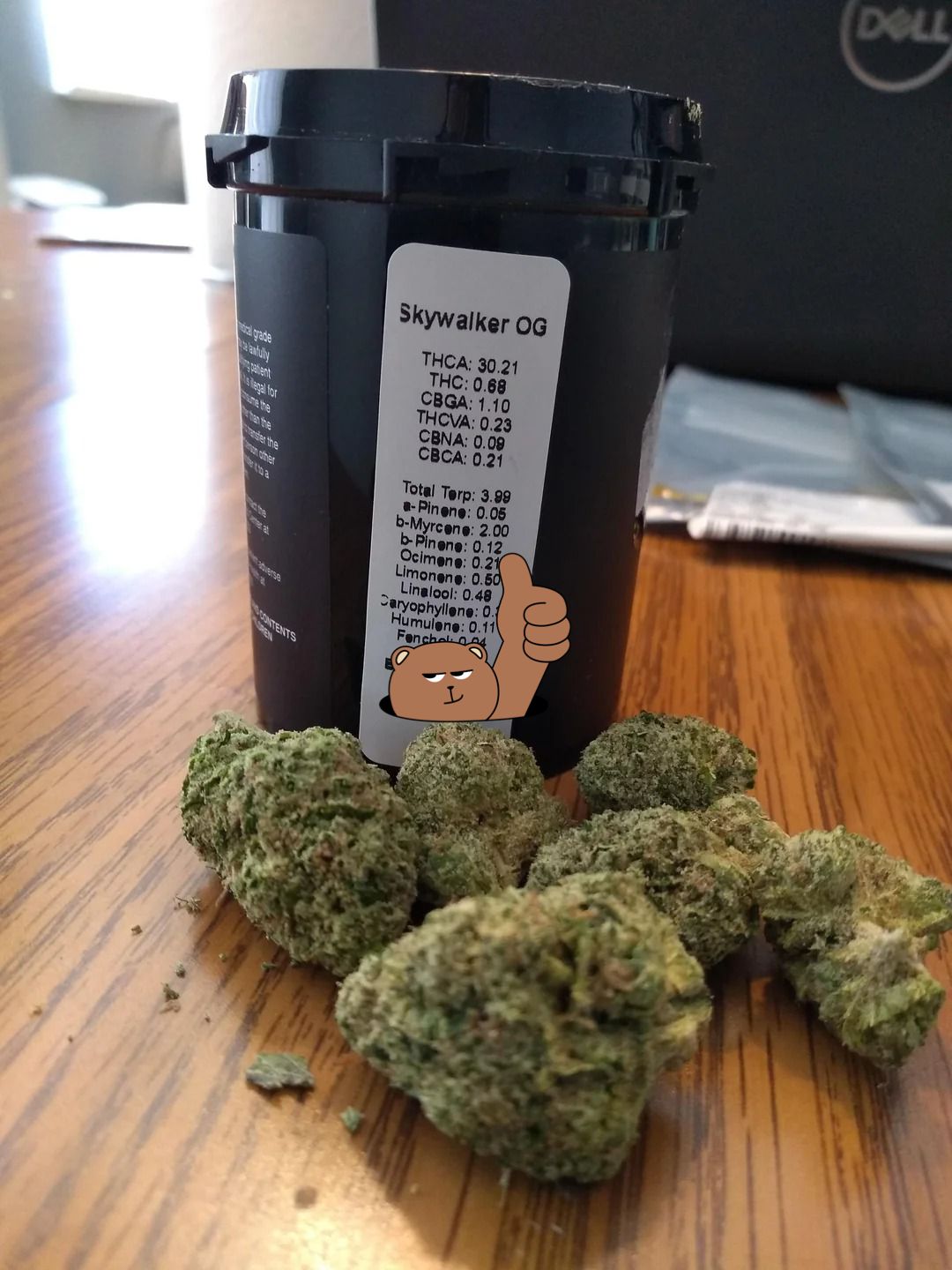
Great service, easy to work with and I’m very satisfied. I’m so happy I found skywalker here. He is super responsive, on time and the quality of weed he sells are serious on point and top notch.