
Welcome to Facatativá: a street-smart, traveler-friendly cannabis guide near Bogotá
Facatativá sits on the Bogotá savanna in Cundinamarca, roughly 31 km northwest of Bogotá, and many travelers know it for the Piedras del Tunjo archaeological park and big-sky highland scenery rather than nightlife. (Wikipedia) If you’re here because you searched “weed in Facatativá,” you’re not alone—Colombia’s cannabis rules are famous for being complicated in a very Colombian way: personal use has long been treated differently than commercial sale, medical cannabis is regulated, and public consumption has its own set of restrictions. (Medellin Lawyer)
This article keeps it practical: what’s legal vs. illegal, what “personal dose” really means, how medical cannabis has evolved (including recent updates), what you can safely do as a visitor, and how to avoid the most common mistakes people make around cannabis in Colombia.
Facatativá in context: why cannabis questions show up here
Facatativá is a full municipality and city in Cundinamarca, high in elevation and closely connected to Bogotá’s orbit, which means you’ll see a mix of local residents, commuters, and weekend visitors. (Wikipedia) That proximity to the capital influences how people think about cannabis: you’ll hear stories and opinions from Bogotá, you’ll see national conversations reflected locally, and you’ll also run into the reality that Facatativá is not a cannabis tourism hotspot. It’s more “day trip + culture + nature” than “party district.” (Tripadvisor)
So the right mindset is: understand the rules, keep things low-drama, and prioritize legal, low-risk choices.
The big picture: what Colombia allows and what it doesn’t
Here’s the simplest way to map Colombia’s cannabis landscape/weed in Facatativá:
- Recreational commercial sale is illegal. (No legal dispensary system for adult-use.)
- Personal possession is decriminalized up to defined limits, often described through the “personal dose” framework. (Medellin Lawyer)
- Home cultivation is treated with more nuance, and several widely cited summaries describe allowance for small home grows (often referenced as up to 20 plants) under court interpretations. (Wikipedia)
- Medical cannabis is legal and regulated, and Colombia has continued updating the medical framework—including recent steps to allow sales in pharmacies under strict controls. (El País)
That mix is why people say cannabis is “legal-ish” in Colombia. But “legal-ish” isn’t a real legal category—you need to stay inside the specific protections.
The “personal dose” in Colombia: what it means for travelers in Facatativá
Colombia’s personal dose concept is widely linked to constitutional court decisions treating personal consumption as a matter of individual autonomy, with later rules setting maximum quantities for what counts as personal possession. (Wikipedia)
A commonly cited current threshold is/weed in Facatativá:
- Cannabis/marijuana: up to 20 grams as personal dose. (Medellin Lawyer)
Important practical notes:
- Decriminalized isn’t the same as “no consequences.” Decriminalization generally means you’re less likely to face criminal prosecution for mere possession within limits, but interactions with police can still be stressful—especially if the situation happens in public or looks like distribution.
- Context matters. Quantity is only one factor. Packaging, behavior, location, and any hint of selling can change how authorities interpret what’s going on. (Medellin Lawyer)
If you’re visiting Facatativá: treat the personal dose concept as a narrow legal shield, not a vibe.
Public consumption rules: where many people get it wrong
A common misunderstanding is: “If I can carry a personal dose, I can smoke anywhere.” That’s not how it works.
Many legal explanations emphasize that public consumption can be restricted, and Colombia has had policy shifts and enforcement debates around consuming in public spaces. In practice, that means:
- Using cannabis openly in parks, plazas, or crowded areas can invite police attention even if your amount is small.
- Local norms matter: in a family-oriented town environment, public use is more likely to trigger complaints.
- The “lowest-risk” approach is simply to avoid public consumption altogether.
This is particularly relevant in Facatativá because attractions like Piedras del Tunjo are cultural/natural sites where discretion is expected.
Home cultivation: what “up to 20 plants” really implies
Colombia is often described as allowing personal cultivation under certain judicial interpretations, with many summaries referencing up to 20 plants as a tolerated personal cultivation threshold. (Wikipedia)
Two cautions:
- Cultivation rules are not an invitation to operate a mini-business. Anything resembling distribution increases risk quickly.
- As a traveler, cultivation is rarely relevant unless you live in Colombia. For visitors, the safest move is to avoid entanglements in any grow situation.
Think of cultivation allowances as a domestic-policy feature, not a tourist activity.
Medical cannabis in Colombia: the regulated lane (and what changed recently)
Colombia legalized medical cannabis years ago and built an industry that includes licensing for cultivation and production, plus exports (including dried flower to countries where it’s regulated). (El País)
A major recent update in late 2025 is Decree 1138 of 2025, which (as reported) authorizes the sale of medical cannabis in pharmacies under strict sanitary controls, explicitly without legalizing recreational use. It also recognizes therapeutic efficacy and allows the sale of the flower as a final product with a prescription, while maintaining strong THC controls and regulatory categories for controlled vs. non-controlled products. (El País)
What this means in plain language:
- Medical cannabis is becoming more “patient-facing” through pharmacy channels, not just oils/extracts or limited frameworks. (El País)
- It is still doctor + prescription + regulated supply, not walk-in retail.
- Access can still be uneven in reality—reporting notes concerns about barriers, pricing, and the time it can take for policy to translate into practical availability. (El País)
If you’re visiting and you rely on cannabinoids medically, the safer plan is to travel with lawful medications you can document and to consult medical professionals rather than trying to improvise locally.
“So… can I buy weed in Facatativá?” The honest answer
If by “buy” you mean legal adult-use purchase: no, Colombia does not have a legal recreational retail model.
If you mean medical access: it’s possible in regulated form, but it’s not designed for tourists to casually obtain, and it requires medical legitimacy and compliance with the medical system. (El País)
If you mean informal market purchase: people do it, but it’s where the risk lives—legal ambiguity, scams, unsafe products, and situations you can’t control.
For a relaxed trip near Bogotá, the “smart traveler” approach is: don’t make cannabis the centerpiece of your Facatativá visit.
Safety and quality: why the informal market is riskier than people think
Even in places with decriminalized possession, informal markets create predictable problems:
- Unknown potency and contamination: pesticides, mold, synthetic additives, or misrepresented concentrates
- Tourist targeting: overcharging, bait-and-switch, or “helpful stranger” setups
- Legal escalation: buying/selling dynamics can look like distribution to authorities far more than simple possession does
If your goal is calm, you don’t want your trip story to become “I spent hours dealing with a situation that didn’t need to happen.”
Legal alternatives in Facatativá for the “weed feeling” (relaxation, sleep, mood)
A lot of “weed searches” are really “I want to unwind.” You can get that outcome without the risk:
- Nature reset: Facatativá is known for outdoor and cultural attractions like Piedras del Tunjo—use daylight, walking, and fresh air as your nervous-system medicine. (Wikipedia)
- Café culture and slow afternoons: warm drinks, local bakeries, and a low-stimulation itinerary can do a lot.
- Sleep-friendly travel routine: hydration, early dinner, low screens late at night, a warm shower, and consistent wake time.
- CBD/hemp (if you choose): Colombia has a growing legal hemp/CBD industry, but always buy from reputable sources and keep packaging. (Remember: CBD isn’t THC, and effects are usually subtle.)
Practical etiquette: staying respectful in a smaller-city environment
Facatativá isn’t a party district, and public spaces tend to be shared by families and day-trippers. A respectful approach reduces friction:
- Don’t use cannabis openly in public places
- Don’t pressure locals for “connections”
- Avoid any behavior that could be interpreted as buying/selling
- Keep conversations discreet—especially with strangers
Your trip goes smoother when you’re not turning a normal town into your personal experiment.
What to do if you’re stopped by police (calm, lawful basics)
This isn’t legal advice, but as a general travel principle:
- Stay calm and polite
- Avoid sudden movements
- Don’t argue on the street
- If you don’t speak Spanish well, ask for simple clarification
- If the situation escalates, seek legal assistance
The best version of this story is the one you never have because you avoided risky behavior.
FAQs: Weed in Facatativá (Colombia)
Is weed legal in Facatativá?
Colombia does not legalize recreational commercial sale, but possession for personal use is decriminalized within limits, and medical cannabis is legal under regulation.
What is the personal dose limit for cannabis in Colombia?
Many legal summaries cite up to 20 grams of marijuana as the personal possession threshold. (Medellin Lawyer)
Does decriminalized possession mean I can smoke in public?
Not necessarily. Public consumption can be restricted and is often where people run into problems.
Is home growing allowed?
Colombia is widely described as allowing small personal cultivation (often referenced as up to 20 plants) under court interpretations, but anything that looks like distribution increases risk. (Wikipedia)
Can tourists buy cannabis legally in Facatativá?
There is no legal adult-use retail system. Medical cannabis access exists but is regulated through prescriptions and formal channels, and it isn’t designed for casual tourist purchase.
What changed recently with medical cannabis in Colombia?
Late 2025 reporting describes Decree 1138 of 2025 enabling the sale of medical cannabis (including flower as a final product) in pharmacies with prescription and strict controls, without legalizing recreational use. (El País)
Is Facatativá a cannabis tourism spot?
Not really. It’s better known for history and nature (like Piedras del Tunjo) and as a Bogotá-adjacent destination. (Wikipedia)
What’s the safest way to enjoy the trip if I’m cannabis-curious?
Treat cannabis as optional, avoid public use, don’t engage in buying/selling, and focus on legal relaxation: nature, culture, and a good sleep routine.
References
- Facatativá city/location context and highlights (Wikipedia)
- Colombia personal dose framework and commonly cited possession threshold (20g) (Medellin Lawyer)
- Discussion of public consumption restrictions and legal nuance
- Medical cannabis updates and Decree 1138 of 2025 (pharmacy sales, prescription model, non-recreational) (El País)
Skywalker product exceeded my expectations in both potency and purity, I really appreciated the discretion and professionalism in the delivery process , you can reach to him on Telegram t.me/skywalkerOG_1 and also there email realskywalkerog1@gmail.com
“Man, that skywalker OG you gave me last night was fire. Smoothest smoke I’ve had in months.”
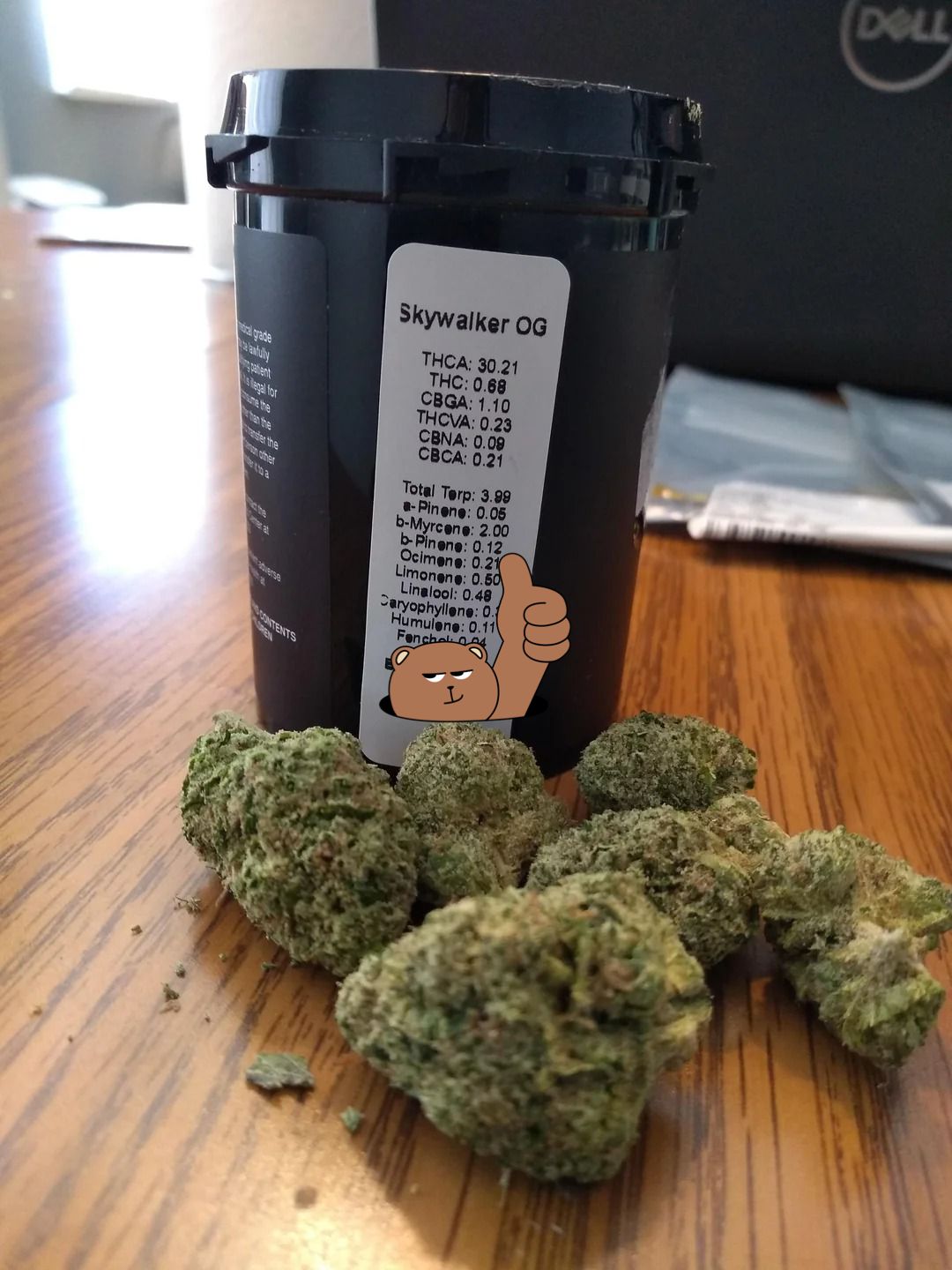
Great service, easy to work with and I’m very satisfied. I’m so happy I found skywalker here. He is super responsive, on time and the quality of weed he sells are serious on point and top notch.