
Weed in Ocaña: Laws, Culture, Risks, and the Cannabis Landscape
Introduction
Ocaña is a historic city located in the department of Norte de Santander in northeastern Colombia. Known for its colonial architecture, strategic location between the Andean region and the Caribbean, and strong regional identity, Ocaña represents a blend of tradition and modern Colombian life. Like many cities across the country, discussions about cannabis—often called weed or marijuana—are increasingly common as Colombia continues to evolve its drug policies.
Cannabis occupies a unique place in Colombian law and society. Unlike many countries where marijuana is strictly illegal, Colombia has adopted a hybrid approach: personal possession and cultivation are decriminalized within limits, while commercial sales and large-scale distribution remain illegal. At the same time, the country has developed one of the most advanced medical cannabis industries in Latin America.
In cities such as Ocaña, these national laws shape the local cannabis environment. Residents may legally possess small amounts of marijuana for personal use, but trafficking and commercialization remain criminal offenses. Social attitudes toward cannabis also vary widely, influenced by Colombia’s complex history with drug trafficking and evolving public opinion.
This article provides a detailed overview of weed in Ocaña, exploring the legal framework, medical cannabis system, local culture, enforcement practices, risks, and future prospects for cannabis policy in Colombia.
Cannabis Laws in Colombia
Recreational Cannabis Status
Cannabis laws in Ocaña follow Colombian national legislation and Constitutional Court rulings. Recreational marijuana is not fully legal, but the country has decriminalized personal possession and use under certain limits. (The Cannigma)
Under Colombian law:
- Adults may possess up to 20 grams of cannabis for personal use. (The Cannigma)
- Individuals may grow up to 20 cannabis plants for personal consumption. (LegalClarity)
- Personal use is generally tolerated, but commercial buying or selling remains illegal. (The Cannigma)
These rules originate from Constitutional Court decisions recognizing personal autonomy and limiting criminal penalties for private consumption.
However, the system can be confusing. Although possession is permitted within limits, police enforcement and local regulations can still lead to fines or confiscation in certain circumstances.
What Is Still Illegal/weed in Ocaña
Despite Colombia’s relatively tolerant approach to personal cannabis use, several activities remain illegal:
- Selling cannabis recreationally
- Large-scale cultivation without government licenses
- Possessing amounts above the legal personal-use limit
- Trafficking or distribution of cannabis
These activities can lead to criminal charges under Colombia’s drug laws.
The distinction between personal use and drug trafficking is particularly important. If authorities believe cannabis is intended for distribution rather than private consumption, the legal consequences can be severe.
Public Consumption Rules/weed in Ocaña
Even though personal possession is allowed, cannabis consumption in public spaces can still be restricted.
Local authorities may issue fines for smoking marijuana in places such as:
- Public parks
- Streets and plazas
- Schools and educational areas
- Public transport stations
Public consumption laws have been debated heavily in Colombia. At different times, the government attempted to ban public use entirely, while courts defended the rights of adults to personal consumption.
In practice, enforcement varies from city to city. In smaller cities like Ocaña, police may intervene more quickly because public spaces are smaller and easier to monitor.
Medical Cannabis in Colombia/weed in Ocaña
Legal Framework
Colombia legalized medical cannabis in 2015, creating a regulated system for cultivation, production, and distribution of cannabis-based medicines. (The Cannigma)
The industry is supervised by several government agencies, including:
- The Ministry of Health
- The Ministry of Justice
- INVIMA (National Institute for Food and Drug Surveillance)
Patients can access cannabis products with a valid prescription from a Colombian doctor.
Types of Medical Cannabis Products/weed in Ocaña
Medical cannabis in Colombia typically comes in processed forms rather than raw flower.
Common products include:
- Cannabis oils
- Tinctures
- Capsules
- Extract-based medicines
These pharmaceutical-grade products are designed for treating conditions such as:
- Chronic pain
- Epilepsy
- Anxiety disorders
- Cancer-related symptoms
Patients must obtain these medications through licensed dispensaries or pharmacies.
Growth of the Medical Cannabis Industry
Colombia has become a global leader in medical cannabis production.
The country’s climate, agricultural expertise, and relatively low production costs have attracted international investment. Several companies now cultivate cannabis legally for pharmaceutical products and export.
In regions like Norte de Santander, entrepreneurs have begun exploring opportunities in the medical cannabis industry through licensed cultivation and manufacturing operations. (El Santanderista)
However, most of these projects are concentrated in larger urban centers rather than smaller cities like Ocaña.
Cannabis Culture in Ocaña/weed in Ocaña
A Conservative Regional Environment
Ocaña is not a large metropolitan city like Bogotá or Medellín. Its social atmosphere tends to be more traditional and community-oriented.
Because of this:
- Cannabis use is generally discreet
- Public consumption is uncommon
- Social attitudes may be more conservative
In smaller Colombian cities, cultural norms often discourage open drug use even when the law allows limited personal possession.
Younger Generations and Changing Views
Younger Colombians often have more relaxed attitudes toward marijuana compared to older generations.
Factors influencing this shift include:
- Increased global cannabis legalization
- Scientific research on medical benefits
- Greater public discussion about drug policy reform
However, stigma related to drugs remains strong due to Colombia’s history with cartels and narcotics trafficking.
For many people in Ocaña, cannabis is still associated with broader issues related to organized crime and public security.
Illegal Cannabis Markets/weed in Ocaña
Although personal possession is decriminalized, Colombia still has an active illegal cannabis market.
Police operations in Ocaña and surrounding areas frequently target small-scale trafficking networks known locally as “micro-trafficking.” Authorities periodically arrest individuals involved in distributing marijuana and other drugs in neighborhoods and markets. (policia.gov.co)
These illegal networks often source cannabis from rural cultivation regions before distributing it in urban areas.
Law enforcement efforts aim to reduce these networks and improve public safety.
Law Enforcement in Ocaña
Police Enforcement
Local police in Ocaña follow national Colombian drug policies.
Officers may stop individuals suspected of possessing drugs and verify that the amount does not exceed the legal limit.
If someone carries more than the allowed amount, police may:
- Confiscate the drugs
- Issue fines
- Initiate criminal proceedings
The legal limit of 20 grams is an important threshold used by authorities to distinguish personal consumption from trafficking.
Community Policing
Police operations in Ocaña often focus on dismantling local trafficking networks rather than targeting individual users.
For example, investigations have uncovered organized groups distributing marijuana and other drugs in neighborhoods across the city. (policia.gov.co)
These operations are part of broader national strategies to reduce drug trafficking and criminal activity.
Cannabis and Tourism
Ocaña is not a major tourist destination compared to cities such as Cartagena, Medellín, or Bogotá. However, travelers occasionally visit the city for historical or regional tourism.
Tourists should understand several key points about cannabis in Colombia:
- Personal possession of small amounts is allowed
- Buying or selling marijuana is illegal
- Public consumption may lead to fines
Tourists should also avoid transporting cannabis across international borders, as this is illegal in almost every country.
CBD and Hemp in Colombia/weed in Ocaña
CBD products derived from cannabis are legal in Colombia as long as they meet regulatory standards.
Common CBD products include:
- Oils
- Supplements
- Cosmetic products
Regulations typically limit THC levels in hemp-derived products, ensuring they remain non-psychoactive. (Nordic Oil – CBD Oil)
These products are increasingly popular for wellness purposes such as stress relief, sleep support, and pain management.
Future Cannabis Policy in Colombia
Ongoing Legalization Debate
Colombia has debated full cannabis legalization several times in recent years.
Several bills have been introduced in Congress proposing:
- Legal recreational cannabis markets
- Regulation of cultivation and sales
- Taxation of marijuana products
While these proposals have gained attention, none have yet succeeded in fully legalizing recreational cannabis.
Economic Potential
Many policymakers support cannabis reform because of its economic potential.
Legal cannabis could:
- Create jobs in agriculture and manufacturing
- Increase tax revenue
- Reduce illegal drug markets
Colombia’s existing medical cannabis industry already exports products internationally, showing the country’s strong potential in this sector.
Health Considerations
As with any psychoactive substance, cannabis use carries potential risks.
Health experts often recommend:
- Avoiding heavy or frequent use
- Being cautious with high-THC products
- Not driving while under the influence
- Considering mental health effects
Responsible consumption and awareness of legal limits are important for avoiding both health and legal problems.
Frequently Asked Questions (FAQs)
Is weed legal in Ocaña?
Cannabis is not fully legal, but personal possession of up to 20 grams is decriminalized in Colombia. (The Cannigma)
How much cannabis can someone legally possess?
Adults may possess up to 20 grams of marijuana for personal use.
Can people grow cannabis at home?
Yes. Individuals may cultivate up to 20 plants for personal consumption.
Is selling weed legal?
No. Selling or distributing cannabis without a license remains illegal in Colombia.
Is medical marijuana legal?
Yes. Medical cannabis has been legal since 2015 and can be obtained with a prescription.
Can tourists use cannabis in Colombia?
Tourists may possess small amounts for personal use, but purchasing cannabis or consuming it in public can still lead to legal issues.
Are CBD products legal?
Yes. CBD products with very low THC levels are allowed under Colombian regulations.
Is public consumption allowed?
Public consumption may be restricted and can lead to fines in certain locations.
References
- Colombian Constitutional Court rulings on personal cannabis use
- Ministry of Health of Colombia – medical cannabis regulations
- Cannabis laws in Colombia explained
- LegalClarity – Colombian cannabis legal framework
- Norte de Santander police reports on drug trafficking operations
Conclusion
Cannabis laws in Ocaña reflect Colombia’s broader approach to drug policy: a balance between personal freedom and strict control over commercial drug activity.
Adults may legally possess small amounts of cannabis and grow limited plants for personal use, but selling or distributing marijuana remains illegal. Public consumption can also lead to fines or police intervention depending on local regulations.
Meanwhile, Colombia’s medical cannabis industry continues to expand, creating economic opportunities and providing new treatment options for patients. Although most medical cannabis operations are concentrated in larger cities, the industry’s growth could eventually benefit smaller regions like Norte de Santander.
Social attitudes toward cannabis are also evolving. Younger generations tend to support more relaxed policies, while older generations remain cautious due to Colombia’s long history with drug trafficking.
For now, cannabis in Ocaña exists in a legal gray area: tolerated for personal use but tightly controlled in commercial contexts. As debates about legalization continue across Colombia, the country’s cannabis policies may continue to evolve in the years ahead.
Skywalker product exceeded my expectations in both potency and purity, I really appreciated the discretion and professionalism in the delivery process , you can reach to him on Telegram t.me/skywalkerOG_1 and also there email realskywalkerog1@gmail.com
“Man, that skywalker OG you gave me last night was fire. Smoothest smoke I’ve had in months.”
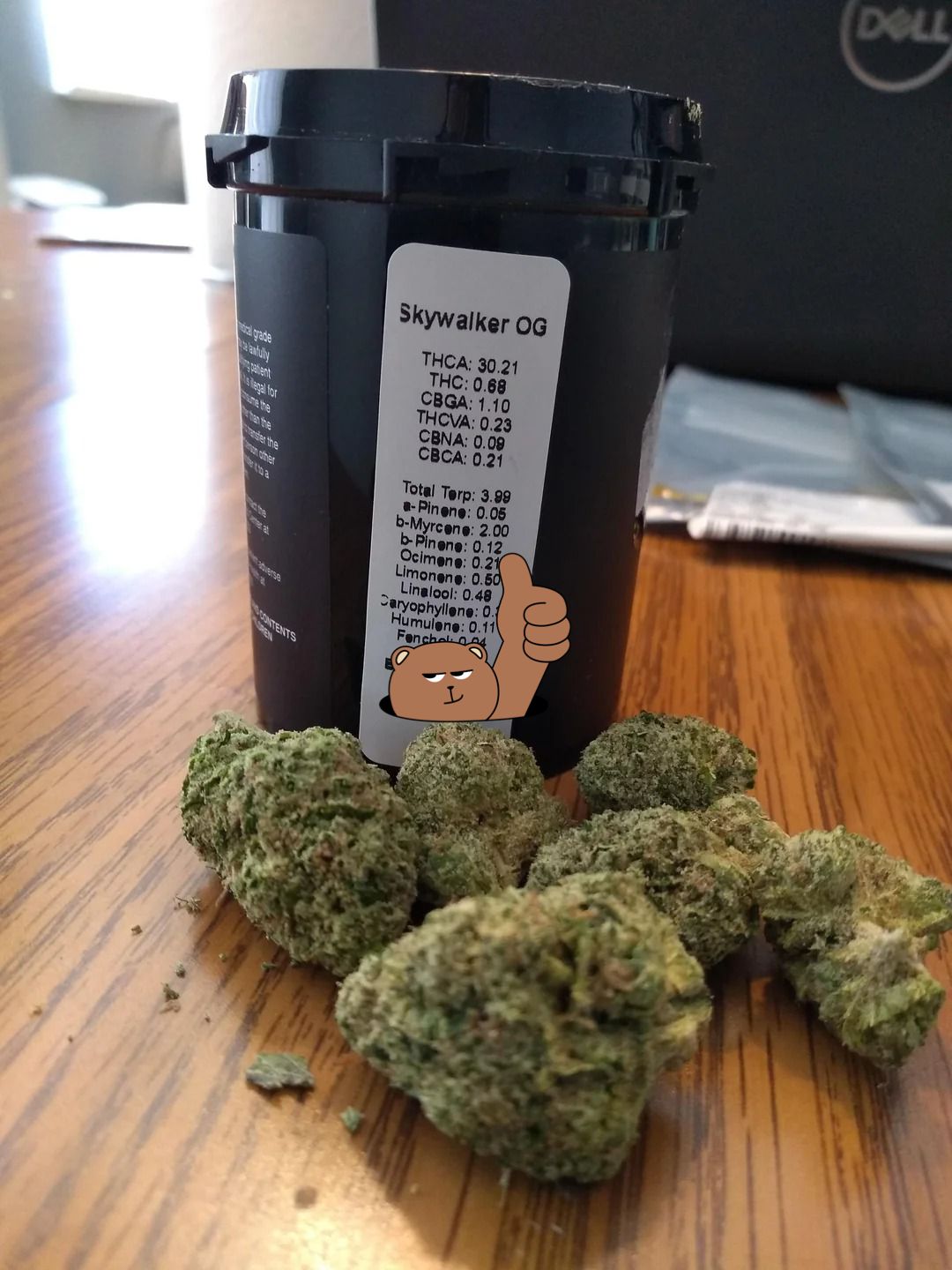
Great service, easy to work with and I’m very satisfied. I’m so happy I found skywalker here. He is super responsive, on time and the quality of weed he sells are serious on point and top notch.