
Overview: What Cannabis Laws Look Like in Huelva
In Huelva — a historic port city and province in Andalusia, Spain — the legal status of cannabis ride on the broader Spanish approach: not fully legalized, but tolerated in very specific private contexts. Cannabis remains a controlled substance under national law, meaning cultivation, sale, trafficking, and public use are generally illegal. At the same time, Spanish courts, statutes, and social practices have converged to create a system where private use and limited personal cultivation are decriminalized or tolerated under certain conditions — as long as the activity stays within private property, out of public view, and without intent to sell or distribute. This framework shapes how weed exists in Huelva’s everyday life and local cannabis culture/weed in Huelva. (LegalClarity)
In practice, adult private use and at‑home cultivation for personal consumption are not criminally prosecuted, but public possession or public use of cannabis can lead to administrative sanctions, including fines that may reach into the thousands of euros. Sale, import/export, and organized trafficking remain criminal offenses, with prison penalties for serious cases. Within this “legal grey area,” Cannabis Social Clubs (CSCs) have emerged across Spain — including in Huelva — as private associations that facilitate community access to cannabis for members within a closed, non‑commercial circuit. (LegalClarity)
H3 Historical and Legal Background: Cannabis in Spain
Spain’s cannabis landscape is not built upon full legalization the way it is in Canada or some US states. Instead, it evolved from decriminalization and judicial interpretation dating back to the late 1970s, when Spain’s constitution emphasized personal liberties. Over time, Spanish courts clarified that private consumption and possession of cannabis in homes should not be treated as crimes — creating a foundation for today’s tolerated personal use. (Wikipedia)
The Penal Code still lists cannabis cultivation, distribution, and trafficking as criminal acts, punishable by imprisonment and fines. Yet, case law and administrative rulings have established that cultivation for private self‑consumption — without intent to traffic — may not lead to prosecution, provided it remains invisible from public areas. This has allowed homeowners to grow a few plants discreetly without facing criminal charges in many cases. (LegalClarity)
Additionally, various regional practices and the rise of Cannabis Social Clubs have emerged as a collective interpretive response to the gap between Spain’s criminal statutes and reality of private use. These clubs operate under association laws and are designed to provide cannabis to registered adult members without traditional commercial sale. However, their legal status remains tenuous and varies by region and local enforcement practices/weed in Huelva. (LegalClarity)
H3 Spanish Legal Framework: Decriminalization vs. Legalization
Cannabis in Spain operates under a decriminalized, not legalized, model:
Private Use & Possession
- Private consumption and possession within a residence or private space are generally not criminal offenses. Law enforcement typically will not pursue criminal charges for adults using cannabis at home, provided there is no public visibility. (LegalClarity)
Cultivation for Personal Use
- Growing cannabis for personal consumption is tolerated only if it is strictly private and not visible from the public street or neighboring properties. There is no formal statutory plant limit, but exceeding what can reasonably be considered for private use may lead authorities to treat it as intent to distribute. (LegalClarity)
Public Use & Possession
- Using or possessing cannabis in public places (streets, parks, beaches) is considered an administrative offense, not a criminal one. Violators may face fines ranging from roughly €601 to €30,000, and the product can be confiscated. (LegalClarity)
Sale, Distribution, & Trafficking
- Commercial sale and trafficking are outright illegal and carry criminal penalties, including prison sentences of one to three years (or longer in aggravated situations). Cannabis cannot legally be sold or purchased in public retail settings. (LegalClarity)
Cannabis Social Clubs (CSCs)
Cannabis Social Clubs occupy a semi‑legal, unofficial niche. These are private associations where adult members may collectively cultivate and use cannabis. They are not standard retail outlets: membership is typically required, and cannabis is distributed only within the club. The legal protection for CSCs derives from Spain’s association laws and the interpretation of private use rights, so their treatment depends on local regulations and enforcement tolerance. (LegalClarity)
H3 Cannabis in Huelva: Local Dynamics
Huelva — part of Andalusia — reflects the broader Spanish cannabis policy but also has its own local culture and enforcement patterns:
Cannabis Social Clubs in Huelva
Huelva hosts several cannabis social clubs where adults can access weed in a membership‑based setting. These clubs operate as private associations, and membership typically requires presenting a valid ID, often including a local referral or invitation. Within these club premises, members can consume cannabis and sometimes obtain products that, in effect, meet their personal supply needs. The legality rests on the interpretation that this is private, non‑commercial sharing within a closed circle — a legal grey area recognized more by practice than explicit statute. (ShivaMap Mapa Cannabis)
Local bylaws and municipal policies can influence how clubs operate: some councils have more defined regulatory frameworks for permits, while others apply general toleration. For non‑locals or tourists, joining a club may be more complex; some clubs require residency documentation, and not all accept short‑term visitors. (ZAZAPASS)
Home Cultivation in Huelva
Residents who grow cannabis at home must ensure plants are out of sight from public view to stay within tolerated norms. Even with that condition, cultivating too many plants or evidence suggesting distribution may lead police to treat it as illegal trafficking. (LegalClarity)
Public Perception and Culture
Cannabis use culture in Huelva blends traditional Spanish norms with increasing peer communities centered around CSCs and private networks. Young adults and university students may privately use cannabis, but public smoking is widely discouraged due to the legal consequences of fines and local social stigma. Enforcement tends to focus on visible public use and activities suggestive of distribution, rather than private personal consumption/weed in Huelva. (Wikipedia)
H3 Cannabis and Enforcement in Huelva
Law Enforcement Priorities
Police in Huelva follow Spain’s legal framework and typically distinguish between:
- Private possession (usually tolerated)
- Public use (administrative offense with fines)
- Trafficking or commercial activities (criminal enforcement)
For private use within a home or private club, law enforcement rarely pursues criminal charges. However, if cannabis is found in public spaces like parks, beaches, or on the street, police can impose administrative fines and confiscate the product. Large amounts of cannabis or visible signs of distribution (e.g., packaging materials, scales) may trigger criminal investigation into trafficking. (LegalClarity)
Penalties at a Glance
- Public Use/Posession: Administrative fines €601–€30,000, product confiscated. (LegalClarity)
- Cultivation Visible from Public: Fines and potential plant seizure. (LegalClarity)
- Trafficking/Sale: Criminal charges with potential prison sentences. (LegalClarity)
Enforcement can vary between police precincts and over time, but the overall pattern prioritizes public order and serious trafficking offenses over private adult use/weed in Huelva.
H3 Cannabis Social Clubs: What They Are and How They Work
Cannabis Social Clubs (CSCs) represent one of the most notable features of Spain’s cannabis ecosystem — especially relevant in places like Huelva:
What CSCs Are
Cannabis Social Clubs are private, non‑profit associations formed by adults who associate for collective cultivation and personal consumption. Their existence relies on Spanish laws protecting association and privacy, coupled with the tolerated approach to private cannabis use. Members do not “buy” cannabis in the commercial sense — instead, they contribute to cultivation costs, and the club distributes cannabis in a closed circuit solely for member use. (LegalClarity)
Joining a Club in Huelva
- Applicants usually present a valid ID.
- Some clubs require a referral from an existing member.
- Membership grants access to private club space for consumption.
- Cannabis products shared within the club are intended only for members’ personal use. (ShivaMap Mapa Cannabis)
Legal Status and Limitations
CSCs operate in a legal grey area — they are tolerated in many regions and courts have upheld their operations, but they are not officially codified in national law. Local councils may impose additional regulations, and enforcement attitudes vary. A club could face legal scrutiny if authorities believe it functions as a commercial enterprise or if distribution extends beyond members. (LegalClarity)
H3 Health, Safety, and Responsible Use
Cannabis affects users differently based on potency (THC levels), frequency, method of consumption (smoking, vaporizing, edibles), individual physiology, and context. Common acute effects include altered perception and impaired coordination, which can impact activities like driving. Long‑term heavy use — especially among young people — has been linked in some studies to potential cognitive and mental health effects/weed in Huelva.
Public health experts advocate for harm‑reduction strategies, including education about dose, responsible consumption settings (e.g., private, safe environments), awareness of legal restrictions, and avoiding cannabis use in situations where impairment could be dangerous (e.g., driving). Access to regulated products — such as through CSCs — can sometimes offer safer quality control compared to unregulated street markets.
H3 Tourism and Cannabis in Huelva
Visitors to Huelva should be aware that:
- Bringing cannabis into Spain is illegal and subject to strict customs enforcement. (Wikipedia)
- Public possession and use will likely result in administrative fines. (LegalClarity)
- Cannabis Social Clubs may admit foreign visitors, but membership rules vary by club; some explicitly require local residency. (ShivaMap Mapa Cannabis)
- Using cannabis in private club spaces or a private residence is the least risky way to consume, but it doesn’t equate to formal legality/weed in Huelva.
Tourists should exercise caution, respect local norms, and avoid public consumption or attempts to purchase cannabis on the street, which carries risk both legally and for personal safety.
H3 Frequently Asked Questions (FAQs)
H3 Is cannabis legal in Huelva?
Cannabis is not fully legal in Huelva or elsewhere in Spain. It is decriminalized in private spaces but remains illegal for commercial sale and public use, which can lead to fines or criminal charges. (LegalClarity)
H3 Can I grow cannabis at home?
You may grow cannabis plants at home if the cultivation is genuinely private and not visible from public view. Large grows or anything that suggests intent to distribute can lead to police action. (LegalClarity)
H3 Are cannabis dispensaries available in Huelva?
There are no legal public dispensaries that sell cannabis like in legalized states. Access typically occurs through Cannabis Social Clubs as private associations. (ShivaMap Mapa Cannabis)
H3 Can tourists join a cannabis social club in Huelva?
Some clubs permit tourists to join, but each club sets its own membership criteria, and many require local residency or sponsor references. Prospective visitors should check with the club in advance. (ShivaMap Mapa Cannabis)
H3 What happens if I use cannabis in public?
Using cannabis in public is an administrative offense in Spain, including Huelva, and can result in fines and product confiscation. (LegalClarity)
H3 Is it safe to buy cannabis on the street?
Buying cannabis on the street is illegal and risky — it can involve fines, police encounters, and unsafe product quality. The safer legal alternative is joining a cannabis social club. (CannaInsider)
H3 Conclusion
In Huelva, Spain, cannabis exists in a nuanced legal landscape that differs significantly from jurisdictions that have legalized recreational marijuana. Private use and limited cultivation for personal consumption are tolerated within private residences, creating a space where many people engage with cannabis discreetly without criminal prosecution. At the same time, public consumption, visible cultivation, commercial sale, and trafficking remain prohibited and can lead to fines or criminal charges. (LegalClarity)
Cannabis Social Clubs have arisen as a distinctive feature of Spain’s cannabis culture, providing a membership‑based way to participate in collective cultivation and consumption within a private setting, but their legal status remains interpretive rather than explicitly codified. For residents and visitors alike, understanding the difference between legal tolerance and full legalization is essential to navigating cannabis responsibly in Huelva.
Skywalker product exceeded my expectations in both potency and purity, I really appreciated the discretion and professionalism in the delivery process , you can reach to him on Telegram t.me/skywalkerOG_1 and also there email realskywalkerog1@gmail.com
“Man, that skywalker OG you gave me last night was fire. Smoothest smoke I’ve had in months.”
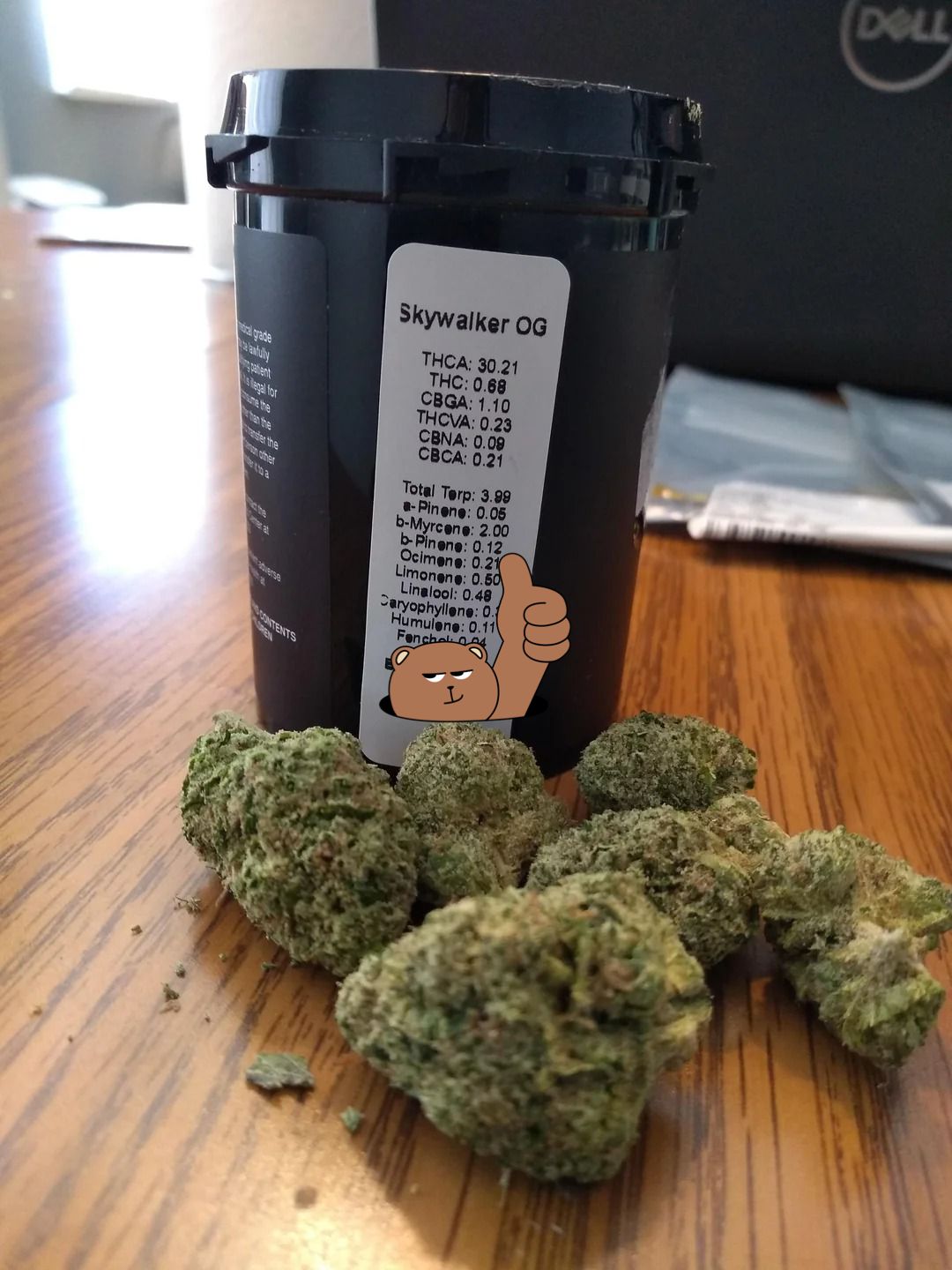
Great service, easy to work with and I’m very satisfied. I’m so happy I found skywalker here. He is super responsive, on time and the quality of weed he sells are serious on point and top notch.