
Weed in Słupsk: Cannabis Laws, Culture, and Reality in Northern Poland
Słupsk is a historic city in northern Poland located in the Pomeranian region not far from the Baltic Sea. Known for its medieval architecture, museums, and proximity to seaside resorts, the city reflects many social and cultural trends common across Poland—including the country’s strict stance on recreational cannabis.
Cannabis policy in Słupsk follows the same national laws that apply throughout Poland. Unlike some European countries that have decriminalized or legalized marijuana, Poland maintains strict prohibition for recreational cannabis. However, the country has introduced limited reforms, particularly regarding medical cannabis and hemp-based products.
This article explores the cannabis situation in Słupsk in detail, including laws, social attitudes, enforcement practices, medical marijuana access, and the evolving debate about legalization in Poland.
Overview of Cannabis Laws in Słupsk
Cannabis laws in Słupsk are governed by the Polish Act on Counteracting Drug Addiction, which regulates drugs and narcotics across the country.
Recreational Cannabis
Recreational cannabis is illegal in Poland. Possession, cultivation, and distribution are criminal offenses under national law. Even small amounts can technically result in criminal charges. (Canapuff)
Possible penalties include:
- Up to three years in prison for possession
- Up to eight years for large-scale cultivation
- Up to twelve years for trafficking or distribution (u Bucha)
Unlike some European countries, Poland does not have an official legal possession limit for personal use. Any amount is technically illegal.
However, prosecutors sometimes have discretion to drop charges when a person is found with a very small amount meant only for personal use. (LegalClarity)
This legal gray area means that outcomes may vary depending on the circumstances and the judgment of authorities.
Historical Background of Cannabis Policy in Poland
Poland’s relationship with cannabis has changed dramatically over the last century.
Historically, hemp was widely cultivated across the region for textiles, ropes, and oils. Cannabis plants have been used in Central Europe for centuries, particularly for industrial and agricultural purposes. (Wikipedia)
However, modern restrictions began during the 20th century as international drug conventions influenced national laws.
Key Milestones
Several events shaped the current legal landscape:
- 1925: International conventions began restricting cannabis trade.
- 1997: Possession of drugs became a criminal offense under Polish law.
- 2011: Prosecutors gained authority to dismiss minor possession cases.
- 2017: Medical cannabis was legalized for prescription use. (Wikipedia)
These reforms allowed limited medical access while maintaining strict prohibition for recreational cannabis.
Cannabis Culture in Słupsk
Compared with major cities like Warsaw, Kraków, or Berlin across the nearby German border, cannabis culture in Słupsk is relatively low-profile.
Social Attitudes
Polish society tends to hold conservative views about drug use. Many people still associate cannabis with criminal activity or addiction.
However, attitudes are gradually changing—especially among younger generations.
Public opinion surveys suggest that many Poles believe small amounts of cannabis should not result in jail sentences, though full legalization still has limited support. (The Cannigma)
This shift in perception has encouraged political discussions about reform.
Youth Culture
Among younger residents and university students, cannabis may be viewed more casually, often influenced by global trends and social media.
Still, the strict legal framework means most cannabis use occurs discreetly in private settings.
Law Enforcement and Policing
Police in Słupsk enforce Poland’s national drug laws, which remain strict compared with many other European countries/weed in Słupsk.
Possession Enforcement
If someone is found with cannabis, authorities may:
- Detain the individual
- Confiscate the substance
- Initiate criminal proceedings
In cases involving very small quantities, prosecutors sometimes dismiss charges if the offense is considered minor and intended for personal use. (LegalClarity)
However, there is no guarantee of leniency.
Trafficking Investigations
Law enforcement prioritizes larger cases involving:
- Drug trafficking networks
- Organized crime groups
- Large cultivation operations
Penalties for trafficking are significantly harsher than those for simple possession.
Medical Cannabis in Poland
The biggest shift in Poland’s cannabis policy occurred with the legalization of medical marijuana.
Medical Cannabis Legalization
Medical cannabis became legal in 2017. Patients with a doctor’s prescription can obtain cannabis-based medicines through pharmacies. (The Cannigma)
These medicines are regulated and must meet pharmaceutical standards.
Medical cannabis products may include:
- Dried cannabis flower
- Extracts and oils
- Capsules or other preparations
Doctors determine eligibility based on patient needs rather than a strict list of qualifying conditions.
Conditions Often Treated
Medical cannabis in Poland is commonly prescribed for:
- Chronic pain
- Multiple sclerosis
- Epilepsy
- Chemotherapy-related nausea
Access, however, remains limited due to high costs and supply issues.
Supply Challenges in the Medical Cannabis Market
One challenge for Polish medical cannabis patients is the limited availability of products.
For many years, Poland relied entirely on imported cannabis products from countries such as Canada or Germany. (The Cannigma)
Although new regulations allow limited domestic cultivation for pharmaceutical production, the system is still developing.
As a result:
- Patients may face shortages
- Prices remain relatively high
- Access can vary between regions
CBD and Hemp Products
While THC-rich cannabis remains illegal, hemp-derived CBD products are widely available in Poland.
Legal Requirements
CBD products must contain very low levels of THC, generally below 0.2–0.3%. (LegalClarity)
These products are sold legally in many places, including:
- Health shops
- CBD specialty stores
- Online retailers
Common products include oils, cosmetics, and hemp teas.
Because CBD does not produce psychoactive effects like THC, it is treated differently under Polish law/weed in Słupsk.
Cannabis Use and Public Spaces
Public cannabis consumption is strongly discouraged in Poland.
Using cannabis in public can attract police attention and lead to legal consequences.
Authorities may treat public consumption as evidence of illegal possession or drug use.
Because of these risks, cannabis use tends to occur privately rather than in public areas.
Cannabis Tourism and Słupsk
Słupsk is not known as a cannabis tourism destination.
Visitors typically travel to the region for:
- Baltic Sea beaches
- Historical architecture
- Cultural festivals
- Nearby coastal towns such as Ustka
Tourists should be aware that Poland has stricter cannabis laws than many Western European countries.
Bringing cannabis across international borders—even from places where it is legal—can result in serious legal consequences/weed in Słupsk.
The Future of Cannabis Reform in Poland
Cannabis policy is increasingly debated in Poland.
Some political groups and activists have proposed reforms that would decriminalize small amounts of cannabis.
For example, proposals have suggested allowing possession of around 15 grams and limited personal cultivation, though such reforms have not yet been adopted into law/weed in Słupsk. (cannabusinessplans.com)
Advocates argue that reform could:
- Reduce pressure on the criminal justice system
- Improve public health policies
- Allow better regulation of cannabis products
Opponents worry about public safety and increased drug use.
For now, recreational cannabis remains illegal nationwide.
Responsible Behavior and Legal Awareness
Because Poland maintains strict drug laws, residents and visitors should understand the risks associated with cannabis.
Important points include:
- Recreational cannabis is illegal
- Possession may result in criminal charges
- Public consumption can attract police attention
- Medical cannabis requires a prescription
Understanding these rules helps avoid legal complications.
FAQs
Is weed legal in Słupsk?
No. Recreational cannabis is illegal in Słupsk and throughout Poland. Possessing, selling, or growing marijuana without authorization can result in criminal charges, including possible imprisonment. (Canapuff)
Can someone carry a small amount of cannabis in Słupsk?
There is no officially legal amount of cannabis for personal use in Poland. Even a small quantity is technically illegal, although prosecutors sometimes dismiss cases involving minor possession. (LegalClarity)
Is medical cannabis legal in Słupsk?
Yes. Medical cannabis has been legal in Poland since 2017. Patients with a doctor’s prescription can obtain cannabis-based medicines through licensed pharmacies. (The Cannigma)
Can people grow cannabis plants at home in Słupsk?
No. Growing cannabis plants for personal use is illegal in Poland. Only licensed institutions may cultivate cannabis for research or pharmaceutical production under strict regulations. (Global Practice Guides)
Are CBD products legal in Słupsk?
Yes. Hemp-derived CBD products are legal if they contain very low levels of THC (generally below 0.2–0.3%). (LegalClarity)
Are there cannabis dispensaries in Słupsk?
There are no legal recreational cannabis dispensaries in Słupsk. Medical cannabis is available only through pharmacies with a prescription. (The Cannigma)
What happens if someone sells cannabis in Słupsk?
Selling cannabis illegally is considered drug trafficking and carries severe penalties. Sentences can range from several years to more than a decade in prison depending on the amount involved. (u Bucha)
Can tourists use cannabis in Słupsk?
Tourists must follow the same laws as residents. Because recreational cannabis is illegal, using or possessing marijuana can lead to legal trouble.
Conclusion
Cannabis laws in Słupsk reflect Poland’s strict national drug policies. Recreational marijuana remains illegal, and even possession of small amounts can lead to legal consequences. Law enforcement continues to treat cannabis as a controlled narcotic.
At the same time, Poland has taken modest steps toward reform by legalizing medical cannabis and allowing the sale of hemp-derived CBD products. These changes show that attitudes toward cannabis are slowly evolving.
For now, however, the legal framework remains strict. Residents and visitors in Słupsk should understand the risks associated with cannabis possession or use and stay informed about current regulations.
As debates about decriminalization and legalization continue in Poland, the cannabis landscape may eventually change—but for the moment, strict prohibition remains the rule.
References
- The Cannigma – Cannabis Laws in Poland
- LegalClarity – Legal Status of Cannabis in Poland
- Konopny Buch – Medical Cannabis Availability in Poland
- Chambers & Partners – Cannabis Regulation in Poland
- Wikipedia – Cannabis in Poland
Skywalker product exceeded my expectations in both potency and purity, I really appreciated the discretion and professionalism in the delivery process , you can reach to him on Telegram t.me/skywalkerOG_1 and also there email realskywalkerog1@gmail.com
“Man, that skywalker OG you gave me last night was fire. Smoothest smoke I’ve had in months.”
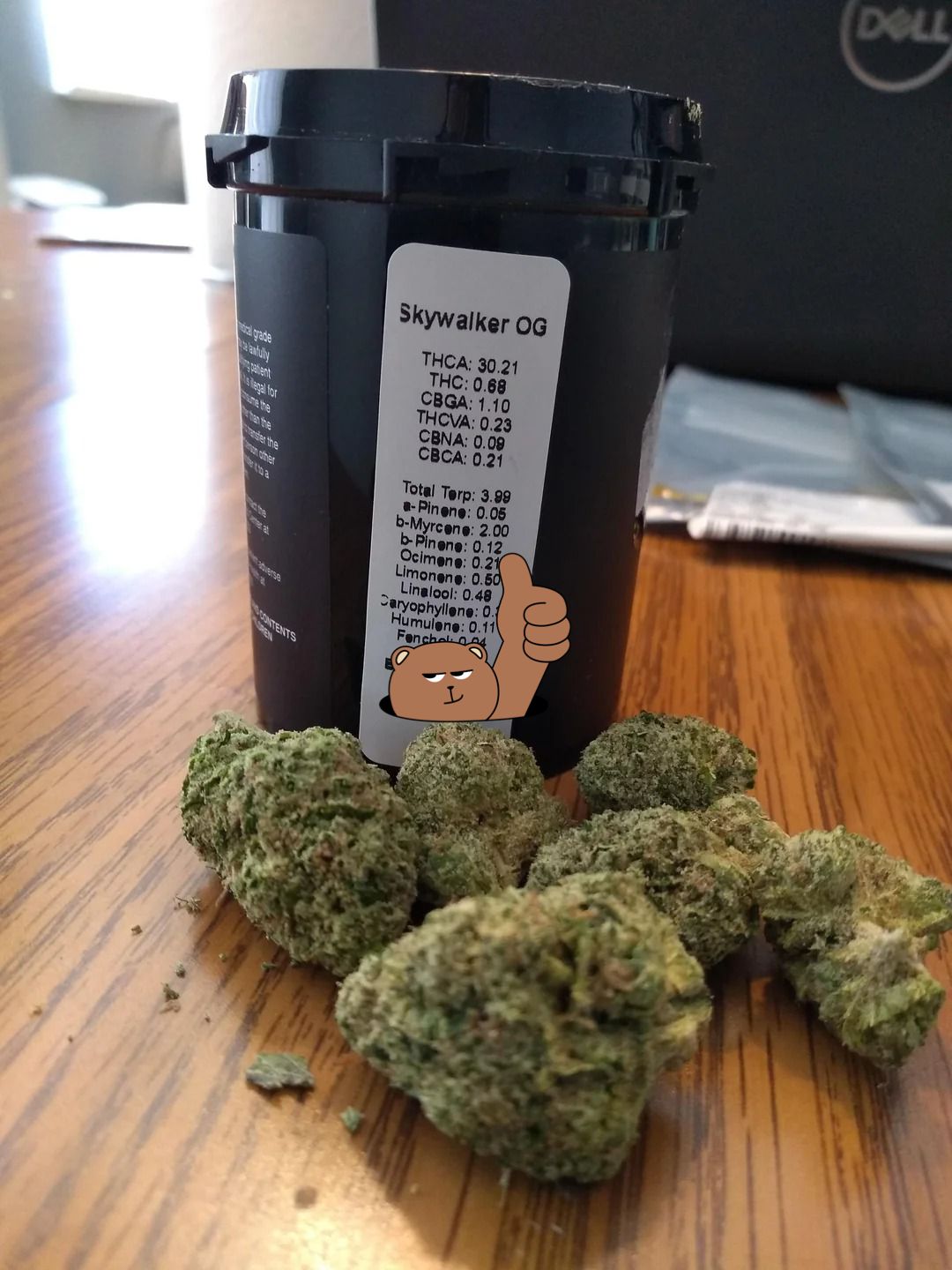
Great service, easy to work with and I’m very satisfied. I’m so happy I found skywalker here. He is super responsive, on time and the quality of weed he sells are serious on point and top notch.