
Weed in Tarnowskie Góry: Cannabis Laws, Culture, and Reality in a Silesian City
Tarnowskie Góry is a historic city in the Silesian Voivodeship of southern Poland, well known for its UNESCO‑listed historic silver mines and rich industrial heritage. Like other cities in Poland, cannabis is a subject of legal restriction, social debate, and evolving public attitudes. While cannabis remains illegal for recreational purposes, the broader legal and cultural landscape around marijuana—especially medical use and hemp products—has begun to shift, influencing how people in cities like Tarnowskie Góry approach the subject.
This article explores the cannabis situation in Tarnowskie Góry in depth, including Polish cannabis laws, local culture, medical marijuana access, risks, law enforcement practices, and how individuals navigate cannabis consumption in a strict legal environment. The goal is to provide readers with a comprehensive understanding of the real‑world cannabis scene in this Silesian community.
Cannabis Laws in Poland
Cannabis in Tarnowskie Góry is governed by national drug laws that apply throughout Poland. Recreational marijuana remains illegal and is treated as a criminal offense under the Act on Counteracting Drug Addiction/weed in Tarnowskie Góry.
Criminal Penalties
Possession, cultivation, or sale of cannabis without authorization can result in criminal charges. Penalties vary depending on the amount and circumstances:
- Possession of marijuana can lead to up to three years in prison.
- Growing cannabis without authorization carries similar penalties, and larger cultivation operations can result in longer sentences.
- Trafficking or distribution of cannabis is treated as a more serious crime with potential prison terms well beyond the penalties for simple possession.
Even small amounts of marijuana found in someone’s possession can be prosecuted unless prosecutors use discretionary policies that sometimes avoid charges for minor cases.
Polish cannabis laws are strict compared with many Western European countries. This legal framework applies uniformly in Tarnowskie Góry and throughout the country.
Prosecutorial Discretion for Small Amounts
Poland’s criminal code includes a provision known as Article 62a, which allows prosecutors to drop charges for possession of marijuana when the amount is very small and clearly intended only for personal use.
This does not decriminalize cannabis, but it gives prosecutors discretion to avoid pursuing minor cases. In practice, some individuals caught with an amount that appears intended solely for personal consumption may see charges dropped.
The law does not specify an exact numerical limit for what qualifies as a “very small amount.” Instead, authorities assess the situation based on context, quantity, and intent.
This discretionary policy has created a gray area in Poland’s otherwise strict cannabis laws—one that affects how law enforcement and courts handle minor possession cases in Tarnowskie Góry.
Penalties for Cannabis Possession
If prosecutors choose to pursue charges for cannabis possession, the penalties can range from fines to imprisonment. Simple possession carries a maximum prison sentence of up to three years, but many cases do not reach that level because prosecutors may apply Article 62a or seek reduced penalties through plea agreements or probation.
Larger quantities or evidence of intent to distribute can elevate the charge to more serious offenses with harsher consequences.
Because of these legal risks, individuals in Tarnowskie Góry tend to be cautious about possession, underground markets, and public consumption/weed in Tarnowskie Góry.
Cultivation Laws in Poland
Growing cannabis plants without authorization is illegal under Polish law. Whether in a private residence or outdoor space, unauthorized cultivation is treated as a criminal offense.
Possible penalties include:
- Up to three years in prison for small‑scale cultivation
- Up to eight years in prison for larger operations
- Longer sentences if cultivation is clearly connected to distribution or trafficking
These penalties reflect Poland’s firm stance against recreational cannabis cultivation.
Medical Cannabis in Poland
Although recreational marijuana is illegal, Poland legalized medical cannabis in 2017. This marked a significant shift in the country’s approach to cannabis by recognizing therapeutic cannabis under regulated conditions.
Medical Access
Medical cannabis products can be prescribed by specialist physicians for a limited range of conditions, including:
- Chronic pain
- Multiple sclerosis symptoms
- Certain types of epilepsy
- Other serious or debilitating illnesses
Patients receive prescriptions from authorized doctors and fill them at licensed pharmacies.
Medical cannabis products may include:
- Dried cannabis flower
- Oils and extracts
- Pharmaceutical cannabis‑based medicines
Patients in Tarnowskie Góry and other cities may need to travel to larger pharmacies in nearby cities to access specific products.
Although medical cannabis is legal, the process of obtaining prescriptions and products can be complex due to regulatory and supply limitations.
Hemp and CBD Products
While high‑THC cannabis remains illegal for recreational use, CBD products derived from industrial hemp are legal in Poland if they contain very low levels of THC (typically below 0.2–0.3%). These products have become increasingly available and include:
- CBD oils
- CBD capsules
- Hemp cosmetics
- CBD gummies and supplements
CBD does not produce the psychoactive effects associated with cannabis containing significant THC. As a result, hemp‑derived products have gained popularity as wellness tools across Poland, including in Tarnowskie Góry.
This legal distinction allows residents to legally purchase and use CBD products without violating drug laws/weed in Tarnowskie Góry.
Cannabis Culture in Tarnowskie Góry
Despite strict legal restrictions, cannabis culture exists discreetly in Tarnowskie Góry, especially among younger adults and certain social groups/weed in Tarnowskie Góry.
Youth and Student Influence
Tarnowskie Góry’s population includes a range of ages, but younger adults—especially those exposed to European media and travel—tend to have more liberal attitudes toward cannabis compared with older generations.
Among youth circles, cannabis is sometimes viewed similarly to alcohol—acceptable in private settings but legally risky/weed in Tarnowskie Góry.
Because Poland’s cannabis laws remain strict, cannabis use is usually discreet, occurring in private apartments or among trusted groups/weed in Tarnowskie Góry.
Public use is rare due to the risk of police attention and legal penalties.
Law Enforcement in Tarnowskie Góry/weed in Tarnowskie Góry
Local law enforcement in Tarnowskie Góry is responsible for enforcing national drug laws.
Police typically focus on:
- Drug trafficking investigations
- Distribution networks
- Organized crime
- Public order violations linked to drug use
Individuals caught with small amounts of cannabis may be detained, questioned, or prosecuted. Police officers may confiscate marijuana even in minor possession cases, and prosecutors determine whether to pursue charges.
Because the law treats recreational cannabis as illegal, police generally have broad authority to act when marijuana is found during stops or searches.
Public Consumption and Legal Risks
Public cannabis consumption is illegal in Poland. Smoking cannabis in public places—such as streets, parks, or public events—can lead to:
- Police intervention
- Fines or administrative penalties
- Criminal charges in certain cases
For these reasons, individuals in Tarnowskie Góry avoid public cannabis use and confine consumption to private settings.
Public attitudes and legal risks reinforce this caution, making cannabis culture discreet rather than open.
Risks of Illegal Cannabis Markets/weed in Tarnowskie Góry
Because recreational cannabis remains illegal, most marijuana in Tarnowskie Góry is obtained through informal or illegal markets.
This presents several issues:
- Unknown potency and quality:
Unregulated cannabis may vary widely in strength or contain contaminants. - Legal risk:
Purchasing or selling marijuana can lead to criminal charges if law enforcement disrupts illegal distribution. - Safety concerns:
Informal markets may involve unsafe interactions or exploitation.
Law enforcement focuses more on distribution networks than individual users, but individuals involved in illegal cannabis transactions may still face serious consequences.
Social Attitudes Toward Cannabis
Public opinion in Poland is slowly evolving. Surveys suggest that while many Poles oppose recreational legalization, they also believe that minor possession should not result in jail time. Younger generations tend to be more supportive of reform than older demographics.
Social attitudes in Tarnowskie Góry reflect these broader trends—many residents are undecided or hold nuanced views, balancing traditional concerns about drug use with recognition of medical applications and changing European norms.
Public conversation about cannabis often intersects with wider debates about drug policy, health implications, and legal reform.
Political Debate on Cannabis Reform/weed in Tarnowskie Góry
Cannabis reform has occasionally surfaced in Polish political discussions. Proposals include:
- Decriminalization of small amounts for personal use
- Expansion of medical cannabis access
- Treatment‑oriented approaches instead of criminal prosecution
Supporters argue that reform could reduce the burden on the criminal justice system, treat drug use as a health issue, and align Poland with evolving European policies.
Opponents express concerns about youth access, public health, and potential increases in use.
At present, recreational cannabis remains illegal, but the ongoing political dialogue suggests that policy evolution may continue.
Cannabis and Tourism/weed in Tarnowskie Góry
Tarnowskie Góry attracts visitors for its historic sites, including the UNESCO‑listed Silver Mine and underground water systems. However, cannabis tourism is not a recognized trend in the city due to Poland’s strict legal environment.
Visitors are advised that cannabis use or possession is illegal regardless of nationality. This includes tourists arriving from countries with legalized cannabis markets.
Legal issues involving cannabis can lead to fines, detention, or legal proceedings.
Health, Harm Reduction, and Cannabis
Health professionals emphasize that cannabis—like many substances—carries both potential risks and benefits.
Potential Risks/weed in Tarnowskie Góry
Heavy or frequent cannabis use may:
- Impair memory and concentration
- Increase anxiety or paranoia
- Affect motor coordination, with risks when driving
- Interact negatively with other medications
Harm Reduction/weed in Tarnowskie Góry
Health experts encourage strategies such as:
- Using cannabis in moderation
- Not mixing cannabis with alcohol or other substances
- Avoiding driving or operating machinery under the influence
Because recreational cannabis lacks legal status or quality regulation in Poland, harm reduction is particularly important for individuals who choose to use marijuana privately.
The Future of Cannabis Policy in Poland
Cannabis policy in Poland is still evolving. Factors that could influence future reform include:
- Changing public opinion, especially among younger generations
- Shifts in European drug policy
- Growth and normalization of medical cannabis sectors
- Academic research into cannabis public health impacts
Although Poland’s cannabis laws remain strict, evolving public attitudes and political discussion suggest that future reforms—such as decriminalization of small amounts or clearer medical guidelines—remain possible.
FAQs About Weed in Tarnowskie Góry
Is cannabis legal in Tarnowskie Góry?
Cannabis is illegal for recreational use in Tarnowskie Góry and throughout Poland. Possession, cultivation, or sale of marijuana without authorization can lead to criminal prosecution or penalties.
Can someone be charged for having a small amount of cannabis?
Yes. Possession of cannabis—even in small amounts—can be charged under Polish law. However, prosecutors may sometimes use discretion under Article 62a to drop charges for very small amounts intended for personal use, though this is not guaranteed.
Is medical cannabis available in Tarnowskie Góry?
Yes. Medical cannabis has been legal in Poland since 2017. Patients with certain qualifying conditions can obtain cannabis products with a doctor’s prescription from licensed pharmacies.
Are there cannabis dispensaries in Tarnowskie Góry?
No. Recreational cannabis dispensaries do not exist in Poland. Medical cannabis may be available through pharmacies with prescriptions, but recreational sales are illegal.
Are CBD products legal?
Yes. CBD products derived from industrial hemp are legal if they contain very low levels of THC (typically below 0.2–0.3%). These products do not produce psychoactive effects.
What happens if someone sells cannabis?
Selling or distributing cannabis is a criminal offense and can result in serious penalties, including potential imprisonment.
Can tourists use cannabis in Tarnowskie Góry?
No. Tourists are subject to the same drug laws as residents and can face prosecution for possession or use.
Is cannabis reform likely in Poland?
Public and political debate continues about reform, but full recreational legalization has not occurred and remains uncertain.
Conclusion
Cannabis in Tarnowskie Góry exists within one of Europe’s strictest regulatory environments. Recreational marijuana remains illegal, carrying potential criminal penalties for possession, cultivation, and distribution. However, prosecutorial discretion sometimes results in charges dropped for very small amounts intended strictly for personal use, creating a legal gray area that affects how individuals interact with cannabis.
Medical cannabis—legal since 2017—provides a regulated pathway for patients with qualifying conditions, while CBD products allow legal access to non‑psychoactive hemp‑derived treatments.
Despite legal prohibitions, cannabis culture in Tarnowskie Góry operates discreetly, especially among younger adults and private social circles. Social attitudes continue to evolve, influenced by European norms and internal dialogues about health, policy, and personal freedom.
As public opinion shifts and political discussions continue, Poland’s cannabis policy may eventually adapt. Until then, residents and visitors in Tarnowskie Góry should remain mindful of strict laws and practice caution to avoid legal consequences.
References
- Cannabis Laws in Poland and Legal Penalties – https://cannigma.com/regulation/cannabis-laws-poland/
- The legal status of cannabis and prosecutorial discretion in Poland – https://legalclarity.org/the-legal-status-of-cannabis-in-poland/
- Rules governing CBD products and hemp legality – https://konopnybuch.pl/en/legality-of-cannabis-and-cbd-in-poland-and-eu-current-guide-2025/
- Overview of medical cannabis access in Poland – https://practiceguides.chambers.com/practice-guides/comparison/1003/16305/25531-25538-25540
- Wikipedia – Cannabis in Poland – https://en.wikipedia.org/wiki/Cannabis_in_Poland
Skywalker product exceeded my expectations in both potency and purity, I really appreciated the discretion and professionalism in the delivery process , you can reach to him on Telegram t.me/skywalkerOG_1 and also there email realskywalkerog1@gmail.com
“Man, that skywalker OG you gave me last night was fire. Smoothest smoke I’ve had in months.”
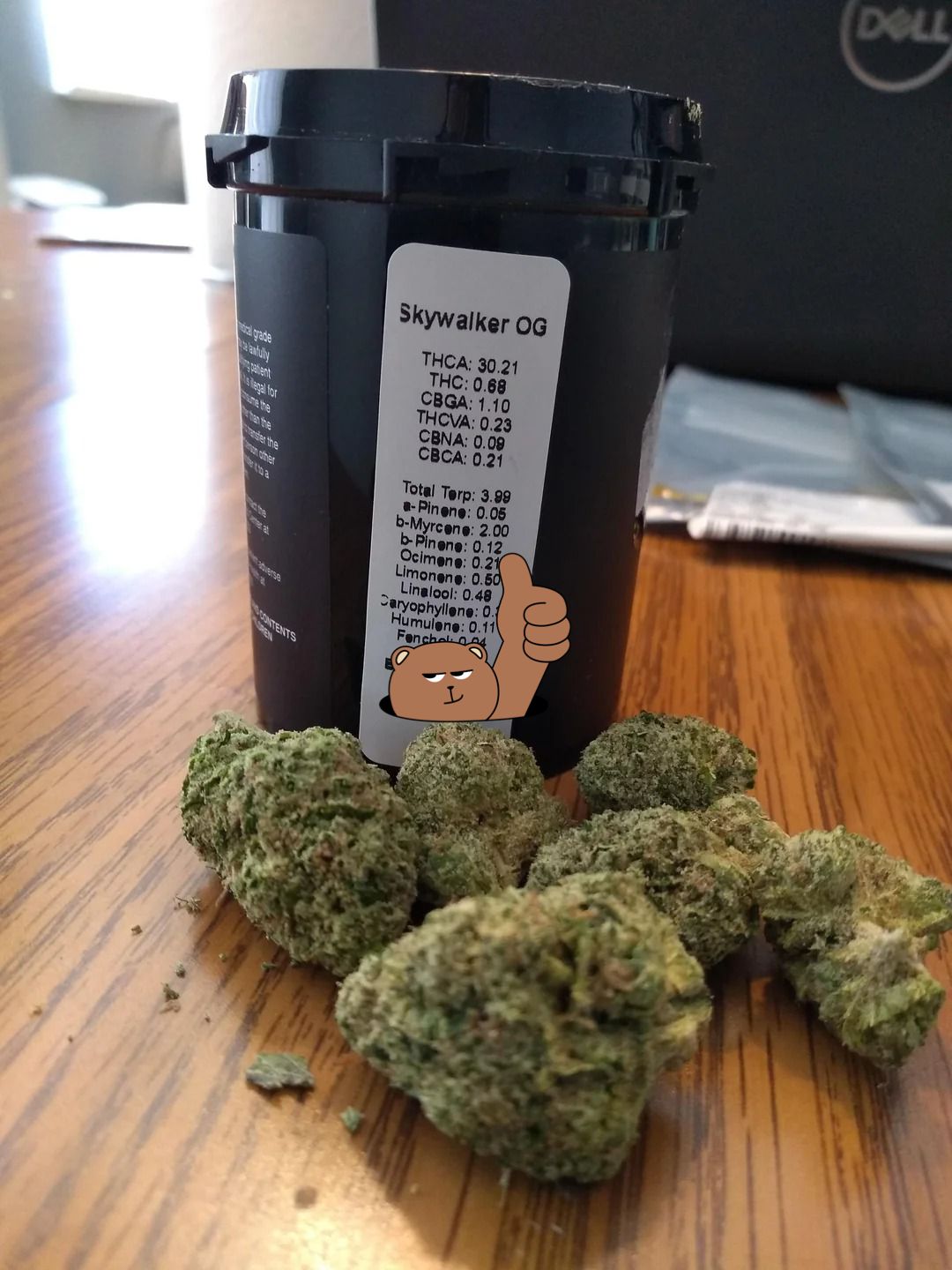
“Glad you liked it, brother. Always top shelf for you.”
Great service, easy to work with and I’m very satisfied. I’m so happy I found skywalker here. He is super responsive, on time and the quality of weed he sells are serious on point and top notch.