
Cannabis and the Law in Cúcuta: A Local Overview
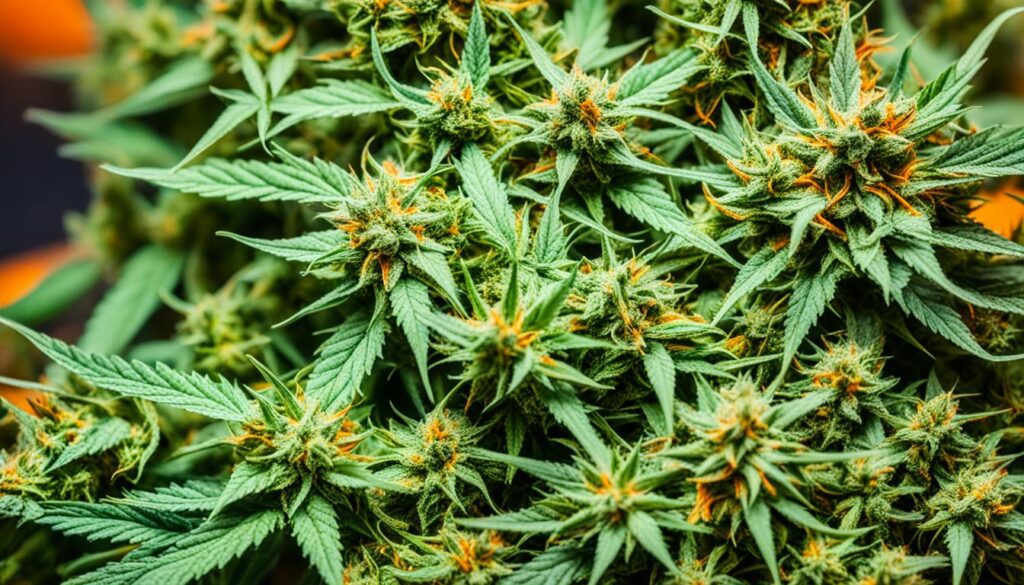
In Cúcuta, cannabis exists in an intricate legal and social context shaped by Colombian national policy and local realities. Colombia’s cannabis laws have evolved significantly: recreational cannabis is not fully legal, but limited personal use and cultivation are decriminalized under Colombian law, while medical cannabis has been legal and regulated since 2016. (The Cannigma)
At the same time, Cúcuta’s geographical position, near the Venezuelan border and within a region historically associated with illicit cannabis cultivation and trafficking, gives the topic a unique local dimension. Cúcuta has seen both informal cannabis markets and law enforcement efforts targeting illegal production and distribution — even while national policy seeks to balance decriminalization, medical regulation, and public safety. (Global Gold Analysis)
The legal framework that applies across Colombia — including in Cúcuta — involves:
- Decriminalized personal possession of limited amounts of cannabis.
- Decriminalized self‑cultivation of up to a set number of plants for personal use.
- Strict prohibition on commercial sale and recreational market activity.
- Legal medical cannabis access through regulated channels but under prescription. (Wikipedia)
H3 Historical Development of Cannabis Laws in Colombia
Cannabis regulation in Colombia has historical depth. Beginning in the colonial era, hemp was cultivated for industrial uses, while psychoactive use emerged in the early 20th century. Over decades, cannabis was subject to prohibition and repression, particularly in mid‑century drug control regimes. (Wikipedia)
A major shift occurred in the 1990s and 2000s, when Colombia’s Constitutional Court progressively reframed drug policy. Key judicial decisions recognized personal use and possession for minimal amounts as a matter of personal autonomy, decriminalizing such conduct and setting precedents for self‑cultivation. (Wikipedia)
In 2016, Colombia passed landmark legislation — Law 1787 — that legalized medical cannabis, establishing a regulated framework for cultivation, processing, distribution, and prescription. This law created the basis for a legal medical market and has been expanded by subsequent government action. (Wikipedia)
More recent reforms — including regulatory updates in the 2020s — have sought to expand access to medical products, including dried flower for therapeutic use under prescription and strengthening oversight of production standards. (El País)
H3 Current Legal Status: Recreational, Medicinal, and Personal Use
Recreational cannabis is not legalized in Colombia and is illegal to sell or distribute. Even though personal possession of limited quantities and home cultivation for private use are decriminalized, the commercial exchange of recreational weed remains prohibited nationwide. (The Cannigma)
Specifically:
- Adults may possess a limited amount of cannabis for personal consumption without criminal charges, generally up to about 20 grams. (LegalClarity)
- Individuals may grow cannabis plants at home — with legal limits on the number of plants — so long as it is solely for personal use and not commercialized. (Is Weed Legal in Colombia?)
These decriminalization measures mean that in Cúcuta — as in other Colombian cities — police typically do not pursue criminal charges for possession within legal limits; however, behavior outside those limits can still lead to fines, confiscation, or criminal prosecution. (LegalClarity)
H3 Medical Cannabis Regulation and Access
Medical cannabis is regulated in Colombia under national law. Patients with qualifying conditions can obtain cannabis products through a healthcare provider, with products dispensed under medical supervision. (Is Weed Legal)
The focus of medical policy is on approved pharmaceutical products — oils, tinctures, capsules, and, in more recent regulatory updates, dried medical cannabis flower under prescription in pharmacies. (El País)
Patients usually need a prescription from a licensed physician, and products must come from authorized producers. (Is Weed Legal)
In Cúcuta, as elsewhere, this means a patient may pursue medical cannabis treatment through a doctor, then access the medication via licensed dispensaries or pharmacies that comply with national regulatory standards. (Is Weed Legal)
H3 Cúcuta’s Local Economy and Cannabis
Cúcuta’s economic role in cannabis-related activity has two distinct layers:
- Illicit cannabis cultivation and trafficking — The region around Cúcuta has historically been part of larger informal cannabis markets, facilitated by geography and cross‑border commerce. This has attracted illegal cultivation and trade, often operated by criminal groups. (Spread and Tell)
- Early legitimate cannabis industry presence — Some licensed cannabis producers and ancillary businesses are based in or near Cúcuta, contributing to Colombia’s medical cannabis sector under regulated frameworks. (Global Gold Analysis)
It’s important to distinguish between informal cannabis economies — which are illegal and carry significant criminal risk — and regulated economic activity in the medical cannabis sector. The latter seeks to bring production and processing onto legal footing, create jobs, and integrate local producers into formal markets. (Global Gold Analysis)
H3 Social and Cultural Attitudes in Cúcuta
Cúcuta reflects broader Colombian views, where attitudes toward cannabis are evolving, particularly among younger generations and urban residents. Contemporary cannabis culture in Colombia encompasses health, lifestyle, activism, and economic opportunity, even as legality remains limited. (Respect My Region)
In Cúcuta’s public spaces, casual cannabis discourse has become more common, but open use or visible consumption is often socially discouraged due to safety concerns and stigma. Informal discussions may occur among friends or private circles, but public displays of cannabis use are avoided by many locals seeking to stay within legal and social norms. (Respect My Region)
Activists and policy reform advocates continue to push for broader access and rational drug policy, though reforms toward full recreational legalization have not gained decisive legislative traction at the national level/weed in Cúcuta. (Respect My Region)
H3 Health Considerations and Safety
Cannabis affects individuals differently, and health impacts depend on potency, frequency of use, individual physiology, and context. Common effects include altered perception and impairment of coordination, which can affect activities such as driving or operating machinery.
Public health authorities in Colombia more broadly emphasize harm‑reduction strategies, encouraging education, responsible use, and scientific inquiry into therapeutic potential, while mitigating known health risks associated with non‑medical use/weed in Cúcuta.
H3 Enforcement Practices in Cúcuta
Law enforcement in Cúcuta adheres to national policy — enforcing limits on possession above decriminalized thresholds, prohibiting recreational commercialization, and targeting organized trafficking networks. Actions can include/weed in Cúcuta:
- Confiscation of cannabis exceeding legal thresholds.
- Fines or administrative sanctions for public consumption outside permitted contexts.
- Criminal prosecution for sale, distribution, trafficking, or large‑scale cultivation without licenses.
Despite decriminalization of small amounts, police retain discretion and may intervene for public order or safety purposes. For international visitors, unfamiliarity with local nuances can increase risk, so compliance with limits and avoiding public use is advisable.
H3 Cannabis and Tourism: Practical Guidance
Tourists visiting Cúcuta and other Colombian cities should note/weed in Cúcuta:
- Bringing cannabis into Colombia is illegal and strongly prosecuted — border security and customs treat crossing with cannabis products as a serious offense.
- Even though possession of up to 20 grams is decriminalized, visiting tourists may be treated differently or face caution, so minimizing risks by avoiding possession is prudent. (Medellin Tours)
- Smoking in public places is socially and legally discouraged; private residences are safer for any personal use within legal limits. (Medellin Tours)
For medical tourists, bypassing regulatory requirements — such as a Colombian prescription — may not be straightforward, so planning ahead with medical professionals is key.
H3 Frequently Asked Questions (FAQs)
H3 Is recreational cannabis legal in Cúcuta?
No — recreational cannabis sale and distribution are not legal in Cúcuta or anywhere in Colombia. Decriminalization applies only to personal possession and cultivation within prescribed limits/weed in Cúcuta. (Wikipedia)
H3 Can I possess cannabis as a resident or visitor?
Yes, adults may hold up to a specified amount (typically around 20 grams) for personal use without criminal charges, but exceeding that can lead to law enforcement action/weed in Cúcuta. (LegalClarity)
H3 Am I allowed to grow marijuana plants?
Yes, individuals may grow a limited number of plants for personal use, provided they do not commercialize or distribute the product. (Is Weed Legal in Colombia?)
H3 How do I access medical cannabis in Cúcuta?
To access medical cannabis, you must obtain a prescription from a licensed physician in Colombia, then use authorized dispensaries or pharmacies to fill prescriptions for approved products. (Is Weed Legal)
H3 Is public cannabis smoking permitted?
Public consumption is generally discouraged or restricted, and police may act to enforce public order or safety rules. Private use within legal possession limits is less likely to attract enforcement. (Zennjet)
H3 Are there legal dispensaries for recreational weed?
No — Colombia (including Cúcuta) does not have legal recreational dispensaries. Sale of recreational cannabis remains a criminal offense. (The Cannigma)
H3 What happens if I travel with weed into Colombia?
Transporting cannabis into Colombia is illegal and subject to strict border enforcement with serious penalties — this applies to all travelers regardless of cannabis legality at their point of origin. (Medellin Tours)
H3 Conclusion
Cannabis in Cúcuta exists at the intersection of progressive decriminalization and stringent prohibition. Colombian law allows for decriminalized possession and personal cultivation within limits, and medical cannabis access under regulated frameworks, yet commercial recreational cannabis remains illegal. (Wikipedia)
For residents and visitors alike, navigating this landscape requires awareness of legal boundaries, public safety norms, and social expectations. Colombia — and Cúcuta in particular — reflects both broader national efforts to modernize drug policy and ongoing challenges related to enforcement, illicit markets, and cultural attitudes. As reforms continue and medical access expands, the balance between regulation, health, and public safety will remain at the heart of cannabis policy in the region.
Skywalker product exceeded my expectations in both potency and purity, I really appreciated the discretion and professionalism in the delivery process , you can reach to him on Telegram t.me/skywalkerOG_1 and also there email realskywalkerog1@gmail.com
“Man, that skywalker OG you gave me last night was fire. Smoothest smoke I’ve had in months.”
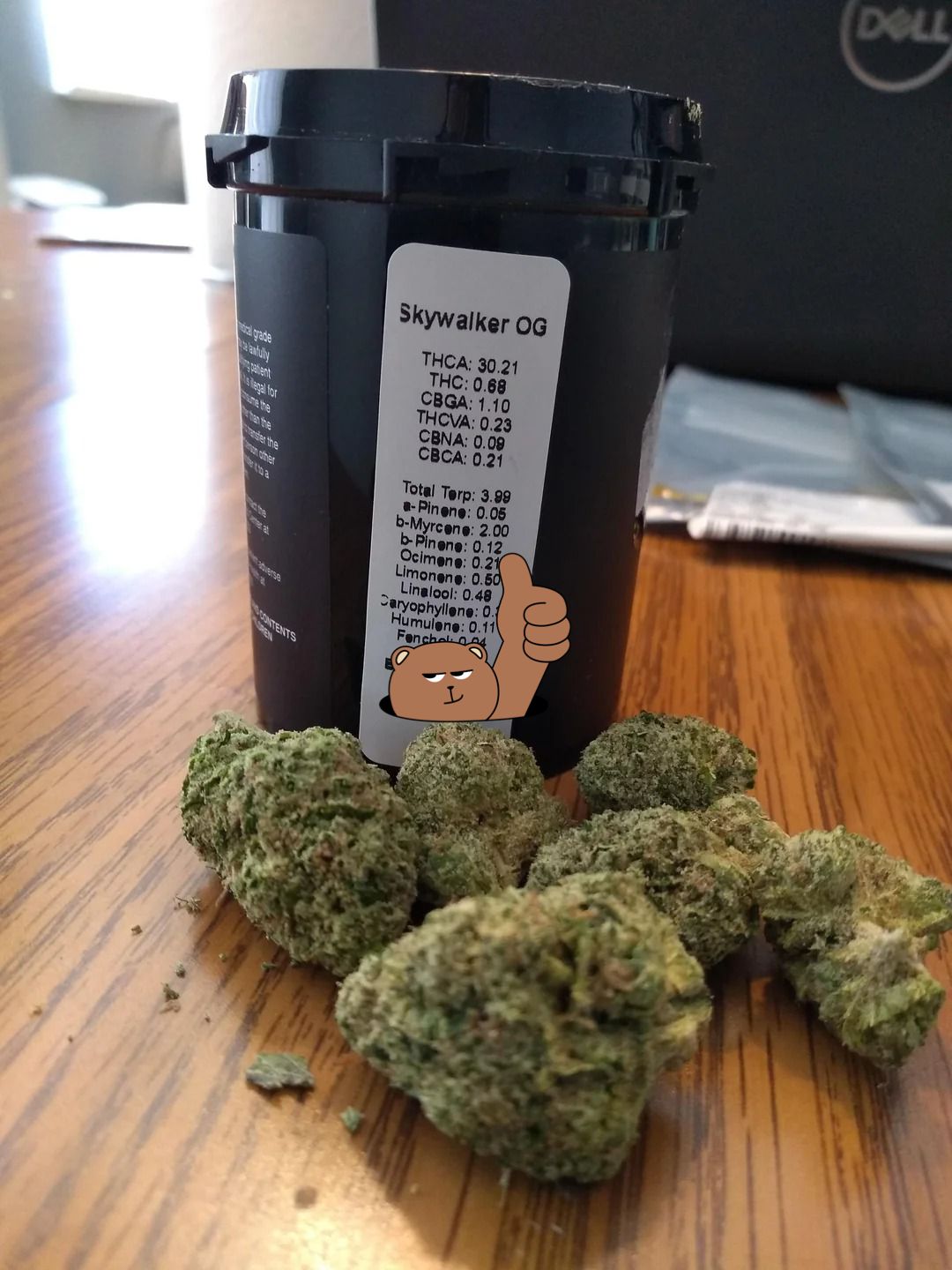
Great service, easy to work with and I’m very satisfied. I’m so happy I found skywalker here. He is super responsive, on time and the quality of weed he sells are serious on point and top notch.