
Introduction — Cannabis in Malambo: Law, Culture, and Reality
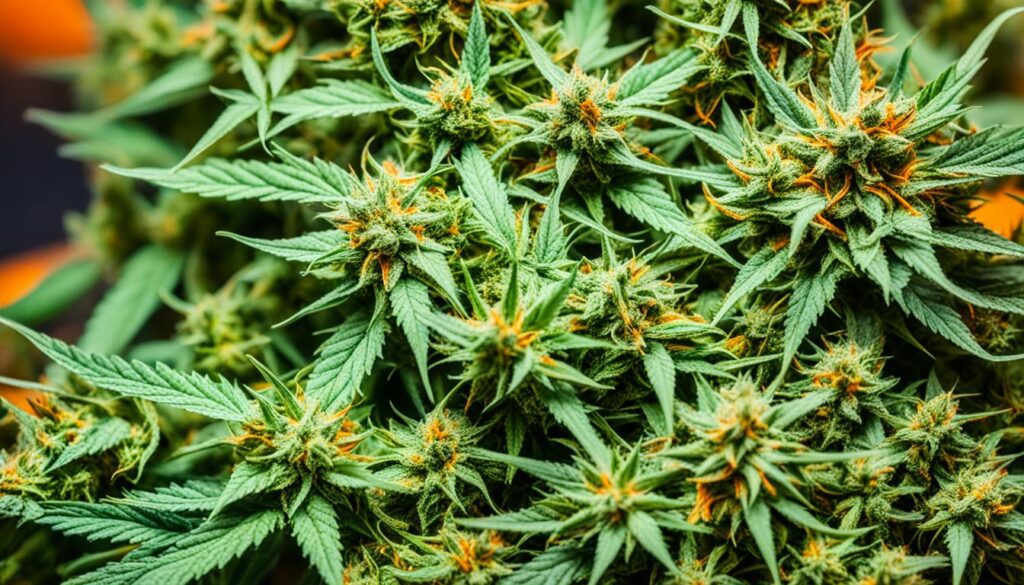
Malambo, a municipality in the Atlántico Department of northern Colombia, is part of a country with one of the most nuanced cannabis legal frameworks in Latin America. While the nation has made significant strides toward decriminalization and regulated medical use, the local realities vary widely across communities. Malambo itself is not known as a cannabis hub in the way Bogotá, Medellín, or Cali might be. Still, it offers a unique lens into how Colombian cannabis policy intersects with local culture, law enforcement, social attitudes, tourism, and everyday life.
Unlike countries with fully legal recreational markets, Colombia’s approach blends decriminalized personal possession, strict limits on commercial adult use, and regulated medical cannabis. For residents, visitors, and individuals curious about cannabis dynamics in Malambo, understanding this layered environment — and the difference between national policy and municipal practice — is essential.
This article explores Malambo’s cannabis environment in depth: the legal backdrop, cultural context, enforcement patterns, public health implications, tourism considerations, economic dimensions, and likely future trends. We’ll conclude with detailed FAQs, references, and a summary conclusion.
A Brief History — Cannabis Policy in Colombia/weed in Malambo
To understand cannabis in Malambo, it’s important to trace how Colombia’s national cannabis policy evolved, because municipal authorities generally enforce national law.
Early Prohibition and Global Influence
Like most countries in the 20th century, Colombia initially adopted strict drug prohibition policies under the influence of international treaties and U.S.-aligned anti-drug campaigns. Cannabis was viewed primarily through criminal justice and enforcement lenses, with little distinction between small-scale personal use and large-scale trafficking.
1990s Decriminalization of Personal Use
A pivotal shift occurred in 1994 when the Constitutional Court (T-236 decision) decriminalized personal possession of small amounts of drugs — including cannabis — recognizing drug use as a personal privacy issue rather than an automatic criminal offense. The ruling allowed adults to possess modest quantities for personal use, as long as there was no evidence of risk to others. This was a landmark departure from previous strictly punitive frameworks.
Medical Cannabis Legalization (2015–2016)
Colombia became a pioneer in Latin America by legalizing medical cannabis through a series of laws and decrees between 2015 and 2016. These reforms permitted:
- Licensed cultivation of cannabis for medical and scientific purposes with regulatory approval.
- Production and export of cannabis-derived medicines and products.
- Development of an emerging regulated industry.
Following this, Colombia issued licenses to domestic and international companies, positioning itself as a global medical cannabis supplier.
Ongoing Regulatory Reforms/weed in Malambo
Recent regulatory updates have aimed to:
- Streamline medical cannabis licensing and distribution.
- Allow prescription of cannabis flower at pharmacies for certain medical conditions (when authorized).
- Clarify industrial hemp cultivation guidelines.
These reforms have broadened legal pathways for cannabis while keeping recreational commercial markets restricted.
Given this national context, Malambo’s situation must be understood through Colombia’s legal framework rather than local laws.
The Legal Status of Cannabis in Malambo
In Malambo — as in the rest of Colombia — cannabis legality is shaped entirely by national regulations rather than municipal ordinances. This section unpacks what is and isn’t allowed.
Recreational Cannabis — Decriminalized but Not Legal/weed in Malambo
- Possession for Personal Use: Possessing small amounts (commonly interpreted as up to 20 grams, but subject to interpretation by authorities) for personal use has been decriminalized. That means individuals shouldn’t be prosecuted criminally for possessing a small amount, but police may confiscate the substance.
- Public Consumption: Using cannabis in public spaces is generally discouraged and may lead to administrative fines or police action, even if possession is technically decriminalized.
- Sale and Distribution: Selling cannabis for recreational use remains illegal and is treated as a criminal offense under Colombian law, regardless of quantity.
Personal Cultivation — Limited and Discrete
- Adults are permitted to cultivate cannabis for personal use (up to an informal guidance limit of ~20 plants), provided the cultivation is not linked to distribution or sale.
- Cultivation must be discreet and not for commercial intent. Growing in public view or for sale can lead to criminal charges.
Medical Cannabis — Regulated Legal Framework/weed in Malambo
- Medical cannabis is legal in Colombia, including in Malambo. Patients with qualifying conditions may obtain cannabis medicines with a prescription from a licensed physician.
- Access is regulated through the Ministry of Health and requires paperwork, medical documentation, and proper medical diagnoses.
- Some reforms now permit certain cannabis flower products to be sold through authorized pharmacies if prescribed.
CBD and Hemp Products — Legal with Restrictions/weed in Malambo
- CBD products (low or non-psychoactive extracts) derived from hemp are legal when produced and labeled according to regulatory standards.
- Industrial hemp cultivation (THC < 1%) is permitted under licensing, enabling CBD, fiber, seed, and wellness product development under regulated conditions.
This legal framework applies uniformly in Malambo because Colombia’s drug laws are national statutes, not city-by-city policies.
Local Enforcement in Malambo
Even though Colombia has decriminalized personal cannabis possession, law enforcement in Malambo continues to engage actively with cannabis issues, especially where trafficking, sales, or larger possession amounts are concerned.
Police Priorities
Local police in towns like Malambo generally focus enforcement on:
- Illicit trafficking and sales networks
- Cultivation operations visible to the public or suspected of supplying illegal markets
- Cross-border cannabis transport and smuggling
Confiscations and arrests for larger quantities — or activities suggesting distribution or trafficking — remain commonplace. Decriminalization does not protect individuals from enforcement actions when:
- Quantity exceeds personal-use amounts
- Evidence suggests intent to distribute
- Public safety concerns emerge
Decriminalization primarily means no automatic criminal prosecution for small personal possession, not a removal of law enforcement authority.
Case Patterns — A Regional Snapshot/weed in Malambo
Incidents across Atlántico and nearby municipalities have shown repeated seizure of cannabis stocks and arrests for larger quantities. These are typically treated as narcotics crimes, subject to criminal prosecution and sentences.
These patterns reflect a broader national stance: while consumption and small amounts aren’t automatically criminal, trafficking, sales, and visible cultivation remain serious offenses.
Cannabis Culture in Malambo
Malambo does not have a widely visible cannabis culture compared to larger Colombian cities. Still, the municipality reflects broader national trends/weed in Malambo:
Private Use and Social Circles
- Cannabis use occurs privately within social circles — for relaxation, recreation, or pain management — similar to other small towns.
- Personal use is typically discreet, again reflecting the need to avoid public confrontation with law enforcement.
Local Attitudes
- Many residents, especially older generations, remain conservative regarding cannabis use due to historical stigma.
- Younger adults may hold more tolerant views, particularly influenced by media, global cannabis trends, and experiences in larger cities.
Tourism and Public Perception
Malambo is not known as a cannabis tourism destination. Visitors typically encounter natural, cultural, and recreational attractions unrelated to cannabis. Any cannabis procurement through informal sources is still illegal and risky.
Cannabis and Health — Public Safety Considerations
Whether for recreational use, therapeutic use, or curious exploration, anyone considering cannabis in Malambo should be aware of health and safety implications.
Health Risks
- Unregulated Products: Cannabis sourced outside legal medical channels may be contaminated, lack potency controls, or include mold, pesticides, or unknown additives.
- Respiratory Risks: Smoking cannabis can irritate the lungs similarly to tobacco smoke.
- Mental Health: High-THC cannabis is associated in some users with anxiety, paranoia, or psychotic symptoms — particularly in young people or those with predisposed conditions.
Public Consumption Concerns
Public cannabis use, even of decriminalized amounts, may:
- Attract police attention
- Result in confiscation or fines
- Cause social tension with conservative neighbors
Choosing private, discreet settings — while still respecting local laws — is essential.
Medical Consultation
If cannabis is considered for therapeutic purposes, patients should:
- Consult licensed physicians
- Report other medications
- Seek legal prescriptions through pharmacies
This ensures medical oversight and compliance with health standards.
Cannabis and Tourism in Malambo
Unlike countries or regions where cannabis tourism is a draw, Malambo’s cannabis reality doesn’t provide:
- Legal recreational dispensaries
- Cannabis-oriented events
- Public educational programs about safe recreational consumption
Visitors should be aware that:
- Even decriminalized personal cannabis possession is not the same as legal, regulated sale.
- Buying cannabis from informal sources carries legal and safety risks.
- Public consumption may attract police attention or fines.
- Respect for local culture and norms should guide behavior.
In larger Colombian cities known for more relaxed attitudes (e.g., Medellín or Cali), tourists sometimes encounter more informal cannabis scenes — but Malambo is not part of that trend.
Economics and the Cannabis Industry
Colombia’s cannabis industry has been growing rapidly as part of national economic development:
Medical and Export Markets
- Colombia’s climate and agricultural capacity have made it attractive for licensed medical cannabis cultivation.
- Licensed producers grow cannabis for internal medical use and international export to markets with legal frameworks in Canada, Europe, and elsewhere.
Local Economic Impact
In Malambo, the direct economic impact of cannabis remains minimal:
- No major cultivation facilities
- No cannabis product manufacturing
- No commercial dispensaries
- Limited local investment in related industries
However, as national licensing expands and infrastructure improves, future opportunities may emerge — provided legal and regulatory compliance.
National Cannabis Reform — Where Colombia Is Headed
Colombia continues to refine its cannabis policy. Some of the most relevant ongoing or proposed reforms include:
- Allowing prescription sale of cannabis flower through pharmacies for certain medical conditions
- Clarifying personal cultivation limits and protections
- Expanding industrial hemp regulations to support fiber, seed, and CBD markets
- Supporting export growth while balancing domestic policy
These reforms reflect Colombia’s interest in positioning itself as a global medical and industrial cannabis player while maintaining public safety and legal boundaries.
The pace of reform — and how it translates into everyday life in places like Malambo — will depend on evolving public opinion, political leadership, and regulatory implementation.
Frequently Asked Questions (FAQs)
Q1: Can I legally smoke recreational weed in a public place in Malambo?
No. Recreational cannabis sales and public use are not legally permitted, even though possessing small amounts for personal use is decriminalized. Public consumption is discouraged and may lead to fines or confiscation, and buying cannabis remains illegal.
Q2: How much cannabis can an individual legally possess for personal use in Malambo?
Possession of small amounts (commonly up to ~20 grams, at the discretion of authorities) for personal private use is decriminalized, meaning it generally won’t lead to criminal prosecution — but purchasing cannabis remains illegal, and personal use must be discreet.
Q3: Can someone legally grow cannabis plants at home in Malambo?
Yes — individuals may cultivate a limited number of plants for personal use, provided the cultivation is discreet and not intended for sale or distribution.
Q4: Is medical cannabis available in Malambo?
Yes. Medical cannabis is legal nationwide in Colombia. Patients with prescriptions from licensed physicians can obtain cannabis medicines through authorized pharmacies.
Q5: Are CBD products legal?
Yes. CBD products with regulated low THC content are legal and can be sold and consumed in Malambo, subject to proper labeling and safety standards.
Q6: What happens if someone is caught selling cannabis for recreational use?
Selling cannabis without proper licensing is illegal and punishable under drug trafficking laws, with penalties depending on quantity and evidence of distribution intent.
Q7: Can tourists bring cannabis into Colombia?
No. Transporting cannabis across international borders is illegal and can result in prosecution.
Q8: Are there cannabis festivals or public events in Malambo?
No. Public cannabis events or festivals are not part of Malambo’s cultural landscape, given legal restrictions and local norms.
Q9: Is cannabis quality controlled in informal markets?
No. Cannabis obtained outside regulated medical channels can vary widely in potency and safety, posing health risks.
Q10: Is there political support for full legalization in Colombia?
There is growing public debate and some political interest in expanding cannabis legalization, but commercial recreational legalization has not been enacted.
Reference (Outbound Link)
For an authoritative overview of Colombia’s cannabis legal framework, including possession, cultivation, medical use, and regulatory conditions, see:
➡️ Cannigma – Cannabis Laws in Colombia — https://cannigma.com/regulation/cannabis-laws-colombia/
Conclusion — Cannabis in Malambo: Balancing Law and Personal Freedom
Cannabis in Malambo exists within the broader context of Colombia’s progressive but carefully regulated approach. The country has made significant strides compared to many of its neighbors: personal possession has been decriminalized, medical cannabis frameworks are in place, and industrial hemp is permitted. Yet the commercial recreational sale and open public use of cannabis remain illegal.
Residents and visitors alike must navigate a legal landscape where personal use is treated with relative tolerance under national jurisprudence, but evidence of distribution, public consumption, or formal commercial sale still carries legal risk. Law enforcement continues to actively police drug trafficking and unauthorized activities.
For anyone in Malambo — whether a resident considering therapeutic cannabis or a traveler curious about local cannabis norms — the key is clear: understand the limits of decriminalization, respect local and national law, prioritize health and safety, and distinguish between legal medical/cbd pathways and illegal recreational markets.
As Colombia’s cannabis policy continues to evolve, future reforms may further clarify personal cultivation rights, medical access, and economic opportunities. But as of now, in Malambo and throughout the country, cannabis remains a complex blend of legal tolerance and regulated boundaries.
Skywalker product exceeded my expectations in both potency and purity, I really appreciated the discretion and professionalism in the delivery process , you can reach to him on Telegram t.me/skywalkerOG_1 and also there email realskywalkerog1@gmail.com
“Man, that skywalker OG you gave me last night was fire. Smoothest smoke I’ve had in months.”
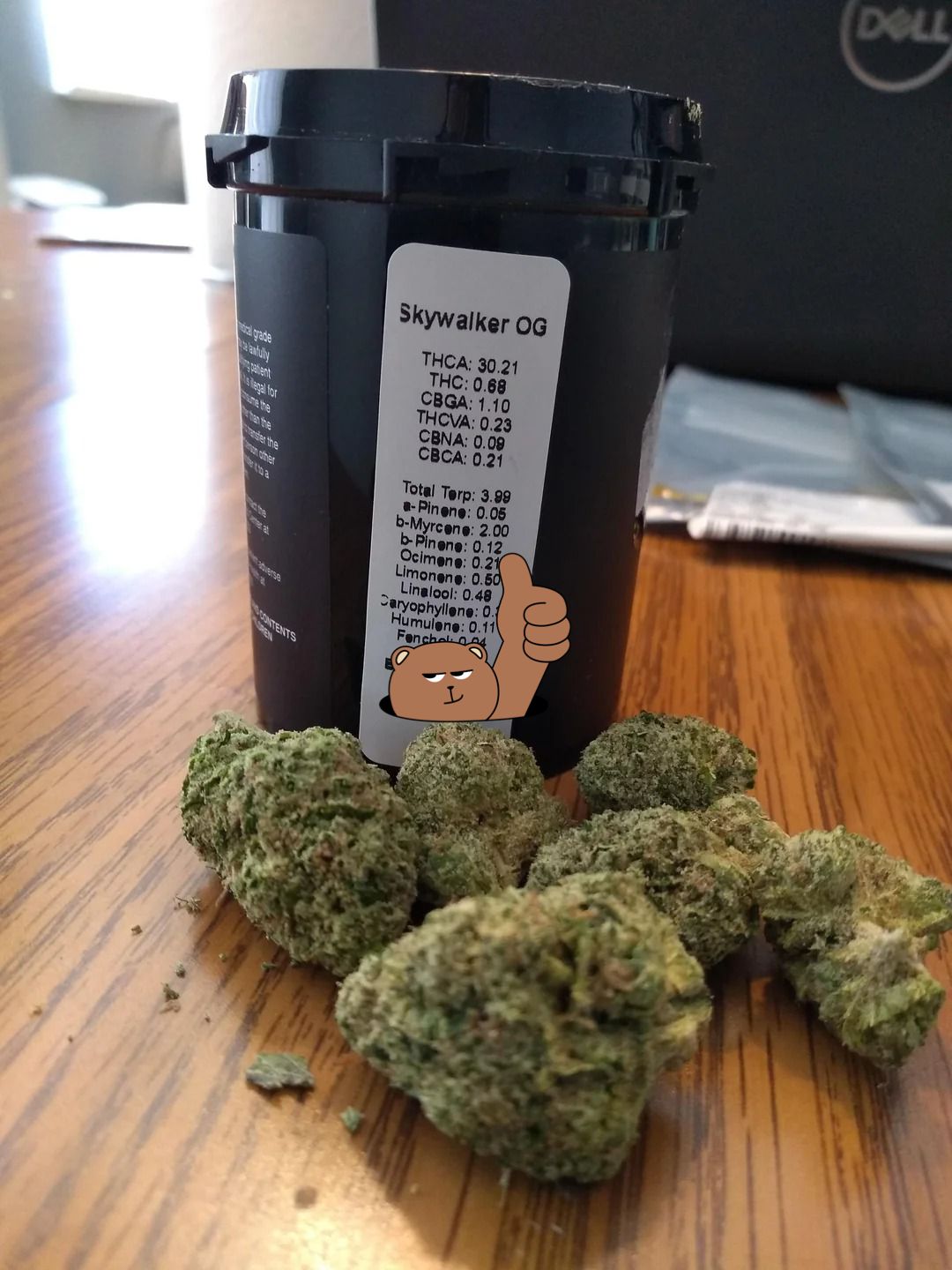
Great service, easy to work with and I’m very satisfied. I’m so happy I found skywalker here. He is super responsive, on time and the quality of weed he sells are serious on point and top notch.