
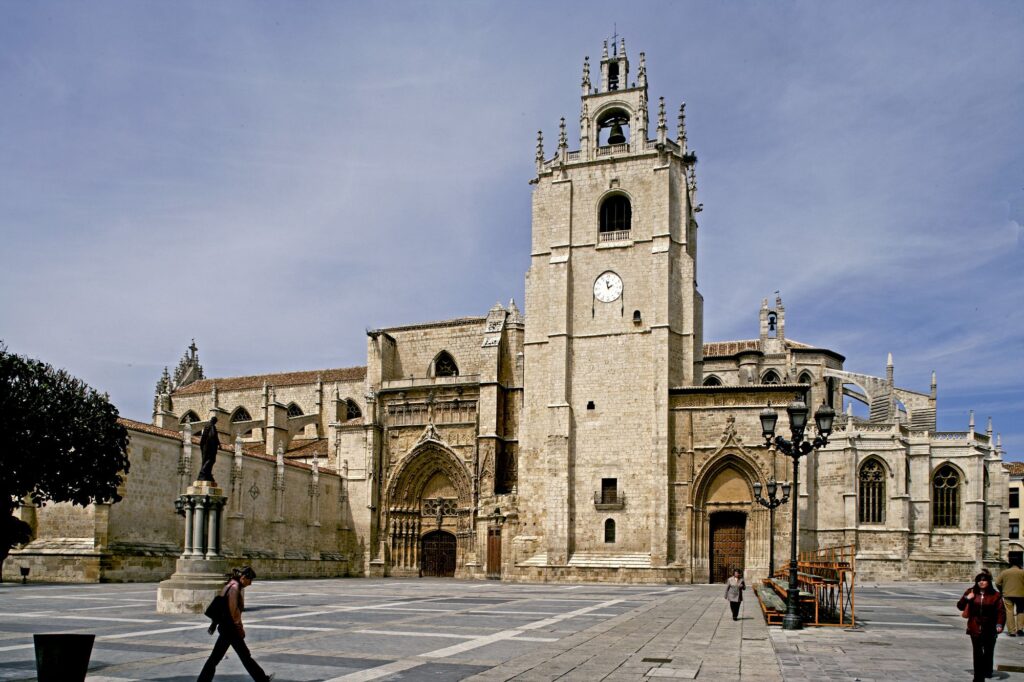
Nice introduction: Palencia’s quiet Castilian beauty—and the Spain cannabis “grey zone” that tourists misread
Palencia doesn’t shout for attention. It’s a calm, compact Castile-and-León city where daily life feels grounded: riverside walks along the Carrión, cafés that run on conversation instead of spectacle, and a historic center that rewards slow wandering. That low-key atmosphere can trick visitors into thinking cannabis is low-key too—like it’s “basically legal in Spain,” or that nobody will care in a smaller city.
In Spain, the reality is more specific: cannabis is often described as tolerated in private (personal use and private cultivation under certain conditions), while public possession or consumption can trigger confiscation and administrative fines, and commercialization/sale remains illegal. (Sensi Seeds)
This guide is built for real-world decision-making in Palencia: what “private” actually means in a quieter city, what behaviors create fast risk, how cannabis clubs fit into the picture, and how to enjoy Palencia without turning a peaceful trip into a public problem.
Why Palencia feels different from “Spain weed” headlines
A lot of Spain cannabis content is written through the lens of Barcelona, Madrid, or coastal nightlife. Palencia is different:
- Less anonymity: smaller-city rhythm means people notice unusual public behavior.
- More shared space: apartment buildings, courtyards, and balconies make smell travel quickly.
- Less tourist tolerance for chaos: public order expectations can feel stricter simply because the city isn’t built around visitors.
So even if Spain’s national framework is the same everywhere, your risk experience can feel sharper in Palencia if you’re visible or disruptive.
Weed laws in Spain: the practical rules that matter most in Palencia
Spain is often called “decriminalized,” but it’s better to think of it as a private-space tolerance model rather than a legalized market/weed in Palencia.
Private use and private cultivation
Cannabis guides commonly explain that adults can consume and cultivate cannabis in a private space for personal use—so long as it’s not done in a way that’s visible to the public or suggests commercial intent. (Sensi Seeds)
Sensi Seeds highlights that cultivation becomes an offence unless it’s hidden from public view and intended solely for personal use—and that authorities may prosecute if they believe there’s intent to sell or distribute/weed in Palencia.
Royal Queen Seeds likewise emphasizes that commercialization remains illegal, while private cultivation/consumption can be possible if kept out of public sight. (Royal Queen Seeds)
Public possession and public consumption
Multiple cannabis guides stress that Spain’s weed laws do not allow consumption or possession in public areas, and that public situations can lead to penalties (typically fines/confiscation). (Fast Buds)
Sale, supply, trafficking
This is the hard line: Spain does not run legal recreational dispensaries. Commercialization remains illegal, and anything that looks like supply is treated much more seriously than private personal use. (Royal Queen Seeds)
Palencia takeaway: if it’s public, treat it as risk. If it looks commercial, treat it as high risk.
What “private” really means in a city like Palencia
Most travelers get tripped up not by the idea of private vs public—but by the definition of “private.”
In Palencia, “private” should be understood as: not accessible to the public, not visible from public areas, and not impacting others in shared spaces.
Often NOT truly private
- hotel balconies facing streets or courtyards
- hostel rooftops and shared terraces
- apartment balconies where neighbors can see/smell easily
- parks, plazas, riverside paths, and viewpoints
- outside bars, late-night queues, and streets in the center
More likely to be treated as private
- inside a private residence where activity is not visible from the street and does not affect shared building spaces
Why this matters: even if you personally feel “quiet,” a balcony that faces the street can still be viewed as public-facing—especially if neighbors complain.
The Palencia “fine risk” scenarios tourists create accidentally
In smaller Spanish cities, the most common cannabis trouble is not dramatic—it’s avoidable.
Here are the usual mistake patterns:
“A quick smoke outside”
People step out to a riverside path or a quiet street thinking it’s discreet. But public is public—even if there’s nobody right next to you. Smell and visibility travel, and police or locals can appear quickly.
“Balcony logic”
Visitors assume a balcony equals private property, therefore private use. In practice, balconies can be public-facing, and odors drift into shared courtyards and stairwells—triggering complaints.
“Carrying it around all day”
Even if you don’t use in public, carrying cannabis while wandering the city increases the chance you’ll cross into a public encounter.
“Club-to-street behavior”
If someone accesses cannabis through a private association (where available), treating the city streets like an extension of that space is where problems begin. 2Fast4Buds notes that Spanish weed laws don’t allow public consumption/possession and that cannabis obtained via associations is expected to be handled within the association context, not openly carried around. (Fast Buds)
Cannabis social clubs: how they fit (and how they don’t)
Spain’s cannabis social clubs are often misunderstood as “dispensaries.” They’re not. They’re usually described as private, member-based associations operating in a complicated legal environment—and they’re not intended to create open public consumption.
For a Palencia visitor, the important point isn’t memorizing club lore. It’s this: clubs don’t change the public/private rule. If you’re carrying or consuming in public, you’ve stepped back into the enforcement zone. (Fast Buds)
Street sourcing and scams: the hidden danger in non-tourist-first cities
Even if Spain’s common outcomes for public cannabis issues are administrative, trying to buy from strangers creates a different kind of risk: scams and unsafe meetups.
Red flags to treat as instant “no”:
- “Come with me somewhere else” (second location pressure)
- “Pay first, delivery later” setups
- bundling offers with harder substances
- intimidation, urgency, or attempts to isolate you
- “tourist pricing” and fast-pressure sales
If you want a calm Palencia trip, don’t turn your visit into a hunt. The city’s value is that it’s peaceful—keep it that way.
Palencia-friendly alternatives: how to relax without cannabis drama
A lot of travelers aren’t chasing cannabis—they’re chasing the feeling: calm, sleep, appetite, a softer pace. Palencia gives you that legally and naturally.
Ideas that match the city:
- Carrión River walks in daylight and early evening
- long café sits (Palencia is great for “do nothing” time)
- slow dinners and early nights
- day trips through Castile’s wide landscapes
- sleep hygiene upgrades (eye mask, earplugs, earlier caffeine cutoff)
If cannabis is part of your routine at home, consider building a travel routine that produces the same “reset” without legal uncertainty.
FAQs about weed in Palencia
Is weed legal in Palencia?
Spain does not have a fully legal recreational cannabis market. Cannabis guides commonly describe private personal consumption and cultivation as possible in private (kept out of public view), while public possession/consumption can lead to fines/confiscation and commercialization remains illegal. (Royal Queen Seeds)
Can I smoke in public in Palencia (parks, streets, river walks)?
Guides commonly emphasize that Spanish weed laws do not allow consumption or possession in public areas. (Fast Buds)
Is a hotel room or balcony considered “private”?
A room is more private than outdoors, but balconies and shared accommodation spaces can become public-facing in practice (visibility, smell, complaints). The safest interpretation is: if others can see it or smell it, treat it as high risk.
Can I grow cannabis in Spain?
Sensi Seeds explains that cultivation is an offence unless it is hidden from public view and intended solely for personal use, and that intent to sell/distribute can trigger trafficking charges. (Sensi Seeds)
Are cannabis clubs legal dispensaries?
No—clubs (where they exist) are private associations and don’t turn Spain into a public retail market. Public possession/consumption remains a problem area. (Fast Buds)
What’s the biggest mistake tourists make in smaller Spanish cities like Palencia?
Assuming the city’s quietness equals permission—then using or carrying cannabis in public. Quiet streets are still public space.
What should I do if police stop me?
Stay calm, be polite, and don’t escalate. Keep communication simple and follow instructions. (General travel safety guidance, not legal advice.)
Conclusion: Palencia is best enjoyed quietly—keep cannabis private or keep it out of the plan
Palencia shines when you travel slow: river air, historic streets, and a calm Castilian pace that doesn’t demand a “scene.” Spain’s cannabis reality is not full legalization—it’s a private-space tolerance model where public behavior is the biggest trigger for fines and confiscation, and where commercialization remains illegal. (Royal Queen Seeds)
If you want the smoothest Palencia experience, treat cannabis like something that either stays truly private (not visible, not bothering others) or stays out of the itinerary entirely. The city already offers what most people are chasing: calm.
References (and the only 3 outbound links)
- Sensi Seeds — Cannabis in Spain: Laws, Use, and History (Sensi Seeds)
- Royal Queen Seeds — Growing Cannabis in Spain / legal overview (private vs public) (Royal Queen Seeds)
- 2Fast4Buds — Weed in Spain: Cannabis Legal Status Guide (Fast Buds)
Skywalker product exceeded my expectations in both potency and purity, I really appreciated the discretion and professionalism in the delivery process , you can reach to him on Telegram t.me/skywalkerOG_1 and also there email realskywalkerog1@gmail.com
“Man, that skywalker OG you gave me last night was fire. Smoothest smoke I’ve had in months.”
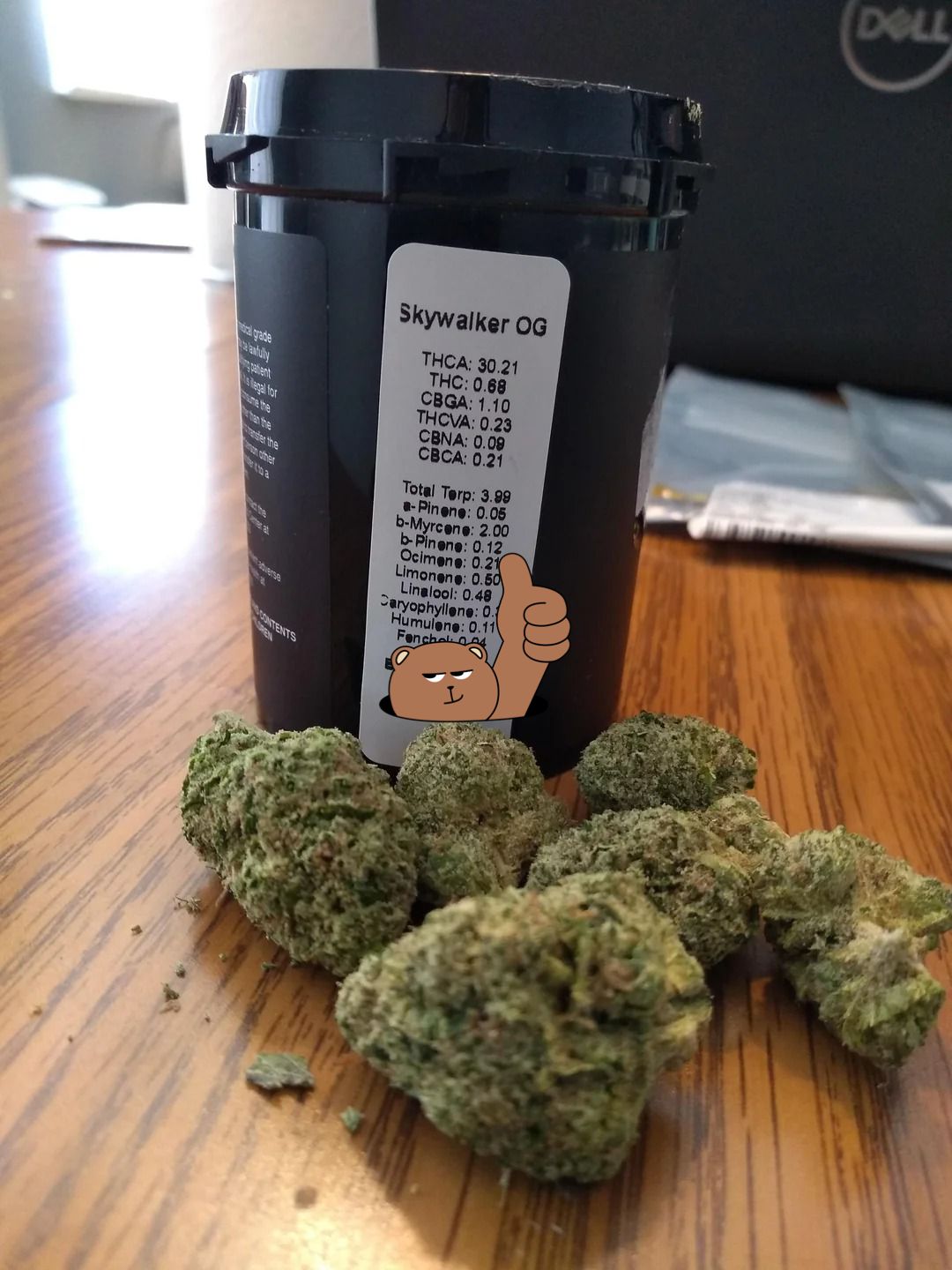
Great service, easy to work with and I’m very satisfied. I’m so happy I found skywalker here. He is super responsive, on time and the quality of weed he sells are serious on point and top notch.