
Weed in Palmira: What Travelers and Locals Should Know About Cannabis, Law, and Safer Choices
Palmira (Valle del Cauca) sits in a part of Colombia that feels bright, warm, and busy in an everyday way—sugarcane fields, quick errands, family plazas, and a rhythm that’s different from Medellín’s tourist neighborhoods or Bogotá’s big-city sprawl. If you’re visiting, the vibe can make cannabis feel like “just another thing people do.”
But cannabis in Palmira is best understood with one word: complicated.
Colombia is widely described as having a “tolerated” personal-dose approach, while recreational sales remain illegal. That mix creates confusion for visitors and even for locals: people hear “it’s decriminalized” and assume “it’s legal.” In reality, the law draws sharp lines between possession for personal use, public consumption, cultivation, and anything that can be interpreted as distribution. On top of that, enforcement can be inconsistent, and misunderstandings can turn into a stressful day very quickly.
This guide focuses on what’s legal, what’s risky, and what’s smarter—without giving instructions on how to buy illegal drugs.
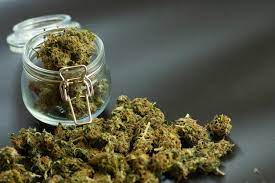
Picture (add to your post)
Tip: Upload a cannabis photo to your WordPress Media Library, then paste the Media URL into src.
Palmira’s Local Context: Not a “Cannabis City,” Still a Real-World Risk
Palmira is close to Cali and connected to the broader Valle del Cauca region—an area with vibrant culture, agriculture, universities, and active local life. That matters because cannabis conversations often get flattened into stereotypes: either “Colombia is chill about weed” or “Colombia is dangerous.” Neither is accurate.
What’s accurate is this: Colombia’s cannabis framework is not a free-for-all, and public order enforcement is a real factor. Travelers who treat Palmira like a place where rules don’t apply can run into trouble—especially if they mix cannabis with alcohol, get loud in public, or rely on strangers. And from a safety standpoint, many governments advise heightened caution in Colombia overall due to crime risks, which makes “avoid avoidable problems” a good travel strategy. (Travel.gov)
Is Weed Legal in Palmira?
Recreational cannabis is not legally sold or regulated for adult-use in Colombia, which means there’s no legal recreational retail market the way you’d see in Canada or some U.S. states. (Lexology)
At the same time, Colombia has long recognized a “personal dose” concept in law and court decisions. The key practical takeaway many sources cite is that possession up to 20 grams is treated as a personal-use threshold (often discussed as decriminalized possession for personal consumption). (Transnational Institute)
Important nuance: “decriminalized” does not mean “no consequences.” It generally means you’re less likely to face criminal conviction purely for a personal-use amount—but you can still face police contact, confiscation, fines, or complications depending on where you are and how the situation unfolds.
The “Personal Dose” Reality: Why People Get Confused
Here’s how the confusion happens:
- Someone reads that Colombia allows a “minimum/personal dose.”
- They interpret that as permission to carry and consume anywhere.
- They don’t realize public consumption and public order rules can still be enforced.
- They don’t realize enforcement can vary by location, behavior, and officer discretion.
Colombia’s legal history is filled with back-and-forth tension between personal-use protections and efforts to restrict public consumption. For example, reporting and legal commentary often cite attempts to limit carrying/consumption through measures like decrees, followed by court decisions pushing back. (Cannabis Business Times)
So the safest, simplest view for a visitor in Palmira is:
- Recreational sales: not legal
- Personal-dose concept exists: yes
- Public consumption and anything resembling distribution: risky
Medical Cannabis in Colombia: The Legal Lane That Actually Exists
Colombia has a formal medical cannabis framework, rooted in Law 1787 (2016) and subsequent regulations that built a controlled system for medical and scientific use. (Transnational Institute)
And Colombia’s medical side is still evolving. Notably, Colombian policy has been expanding access channels: news coverage in late 2025 described government authorization for medical cannabis products (including dried flower for medical/veterinary purposes) to be dispensed via pharmacies with a prescription, under a 2025 decree. (El País)
What this means for “weed in Palmira” questions:
- If you’re looking for legal cannabis, the real route is medical—through proper medical channels.
- It does not mean recreational dispensaries exist.
- It does not mean tourists can casually buy THC products legally without following Colombian medical rules.
If cannabis is medically important for you (sleep, pain, appetite, anxiety), it’s smarter to plan around the medical framework than to gamble on informal markets.
Cultivation: What People Say vs. What’s Actually Safe
Another common rumor is: “You can grow plants for personal use in Colombia.”
Some sources and reporting point to legal decisions indicating personal cultivation can be treated differently from trafficking, including references to a 20-plant concept in Supreme Court-related discussions. (Colombia News)
But for travelers (and honestly for most locals), the practical guidance is:
- Cultivation is a legal gray area compared to clearly legal medical channels.
- Even when personal cultivation is discussed as “not a crime” under certain conditions, how it’s interpreted can still vary.
- Anything that looks like commercial intent can escalate the situation.
In short: if your goal is to stay out of trouble in Palmira, don’t treat “I heard you can grow” as a safe travel plan.
Public Consumption in Palmira: Where Problems Start
In many places, the biggest real-world risk isn’t “having it” but using it in public.
Public consumption can trigger:
- Complaints from residents
- Security guards calling police
- Police attention under public order rules
- Confiscation and formal ID checks
Palmira is not a sealed tourist bubble—people notice behavior. Being high in public around families, near schools, near transit, or around busy plazas is exactly the kind of scenario that turns a “chill night” into a “long conversation” you don’t want.
If you’re a visitor, your best harm-reduction move is the boring one: don’t use illegal substances at all, and especially don’t create public scenes.
Tourist Safety and Street Risk: Why “Random Weed” Can Be a Bad Deal
Even when someone thinks they’re avoiding legal risk, informal cannabis markets introduce other risks:
- Scams (paying for nothing, bait-and-switch, inflated pricing)
- Contamination (unknown pesticides, additives, mold)
- Stronger-than-expected products that spike anxiety or paranoia
- Exposure (a “friendly” contact turning into a risky social situation)
And because many travel advisories emphasize caution in Colombia due to crime risks, it’s wise to avoid street transactions that add vulnerability. (Travel.gov)
I can’t help with buying illegal drugs—but from a practical standpoint, “random connection + cash + substances” is one of the easiest ways to create a problem you didn’t need.
Legal Alternatives in Palmira: If You Want Calm, Choose Predictable
A lot of “weed in Palmira” searches aren’t really about cannabis—they’re about what cannabis represents: a way to unwind, sleep, eat, or soften stress.
Palmira and the Cali area offer plenty of legal ways to get that outcome:
- Heat + hydration + early nights: The climate can tire you out in a good way.
- Food as a reset: Consistent meals reduce anxiety swings and “wired” feelings.
- Movement: A long walk in daylight + a calm evening can beat a messy high.
- Sleep support routines: Lower light at night, cooler room, consistent bedtime.
If you’re exploring hemp-derived CBD products, be cautious: legality depends on product compliance and THC content, and quality varies widely. You want transparency, lab testing, and reputable sellers—not “miracle” marketing.
How to Talk About Cannabis Without Getting Into Trouble
If you’re writing for a travel site (or just trying to be street-smart), it helps to reframe the topic away from “how to get weed” and toward “how to stay safe.”
A helpful approach is:
- Emphasize legal status and medical framework
- Emphasize personal dose confusion (decriminalized ≠ legalized retail)
- Emphasize public consumption risk
- Emphasize tourist vulnerability
- Offer legal relaxation alternatives
That approach protects your readers and keeps your content informative rather than risky.
FAQs About Weed in Palmira
Is weed legal in Palmira, Colombia?
Recreational cannabis sales are not legal in Colombia, including Palmira. Colombia does recognize a “personal dose” concept (commonly referenced as up to 20 grams), but that does not create a legal recreational market and doesn’t eliminate the risk of police interaction. (Transnational Institute)
What is the “personal dose” amount in Colombia?
Colombia’s drug law framework is commonly cited as defining a personal-use dose of marijuana as up to 20 grams (with other thresholds for other substances). (Transnational Institute)
Can tourists legally buy weed in Palmira?
I can’t help with buying illegal drugs. Legally speaking, recreational cannabis is not sold through a regulated adult-use system, so there isn’t a legal recreational purchase pathway comparable to dispensaries. (Lexology)
Is medical cannabis legal in Colombia?
Yes. Colombia created a medical cannabis framework through Law 1787 (2016) and subsequent regulation for medical and scientific use. (Transnational Institute)
Are there pharmacies that sell medical cannabis in Colombia?
Policy has been expanding. Reporting in late 2025 described Colombia authorizing pharmacy dispensing of certain medical cannabis products (including dried flower for medical/veterinary use) under prescription requirements. (El País)
Can you smoke in public if you’re under the personal dose limit?
Even if a personal dose threshold exists, public consumption can still be risky and may be policed under public order rules or trigger complaints. The safest move—especially as a visitor—is to avoid illegal use entirely. (Cannabis Business Times)
Is growing cannabis legal in Colombia?
There are widely reported legal decisions and discussions around personal cultivation being treated differently under certain conditions, including references to limits like 20 plants. But interpretation and risk can vary, and it’s not a simple “yes, it’s legal” for everyone in all situations. (Colombia News)
What are the safest legal alternatives to weed in Palmira?
Wellness routines (sleep hygiene, exercise, hydration), calming teas/supplements (where appropriate), and avoiding risky street transactions are the most reliable choices—especially given broader safety considerations for travelers in Colombia. (Travel.gov)
References (just 3 authoritative marijuana websites)
- NORML: https://norml.org
- Leafly: https://www.leafly.com
- Project CBD: https://projectcbd.org
Conclusion: Enjoy Palmira—Don’t Let Cannabis Confusion Ruin the Trip
Palmira is a grounded, real Colombia city: warm, local, and full of everyday life. Cannabis here isn’t a “tourist activity,” and Colombia’s legal framework doesn’t support the simplistic idea that weed is “legal.” Yes, the country recognizes personal-dose concepts and has a growing medical cannabis framework—but recreational sales remain illegal, and public consumption can invite unnecessary trouble. (Transnational Institute)
If you want the best version of Palmira, aim for the low-drama path: focus on legal wellness, keep your choices predictable, and avoid situations that combine strangers, cash, and substances. The trip you remember fondly is usually the one where nothing “almost went wrong.”
Skywalker product exceeded my expectations in both potency and purity, I really appreciated the discretion and professionalism in the delivery process , you can reach to him on Telegram t.me/skywalkerOG_1 and also there email realskywalkerog1@gmail.com
“Man, that skywalker OG you gave me last night was fire. Smoothest smoke I’ve had in months.”
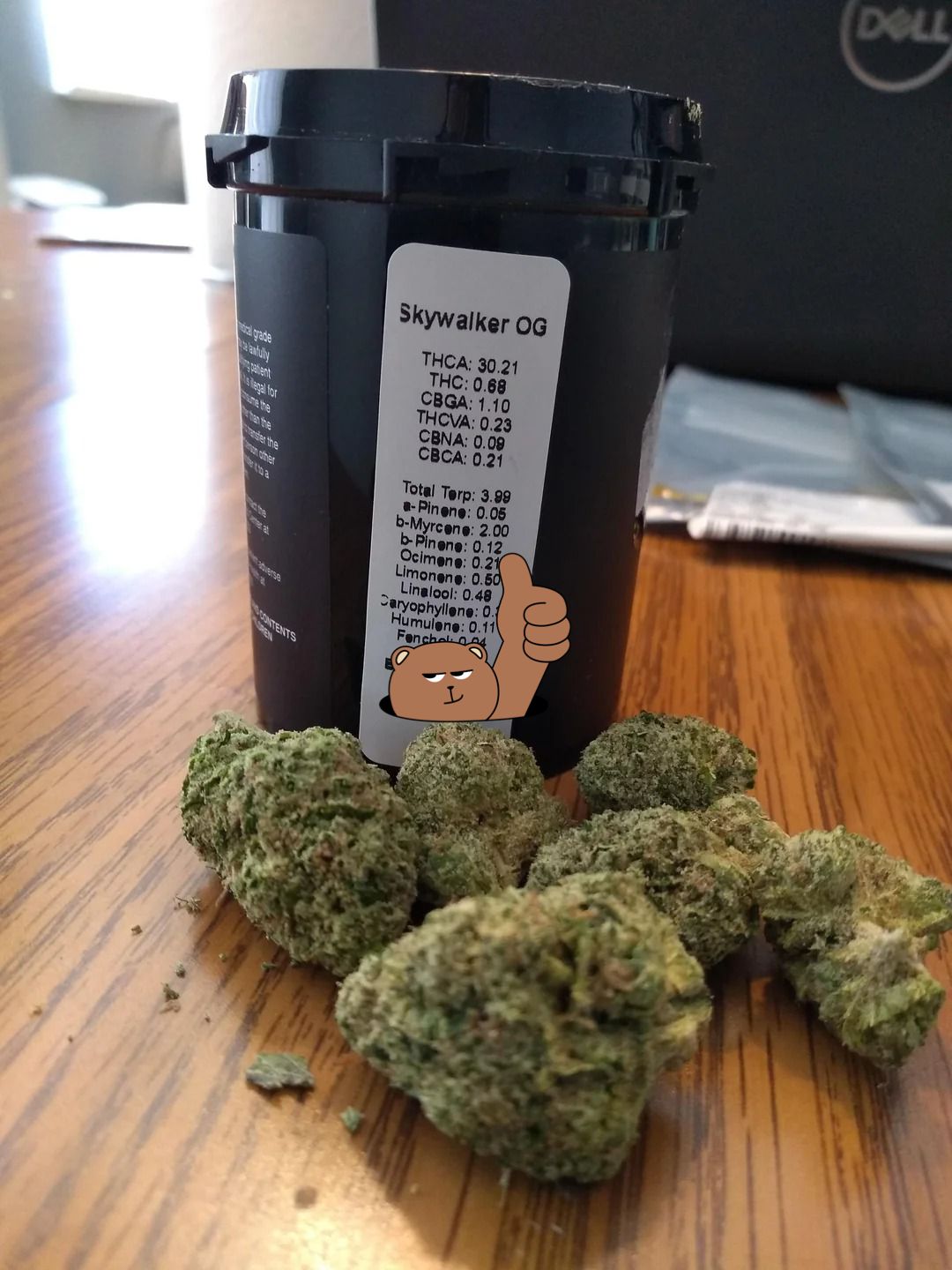
Great service, easy to work with and I’m very satisfied. I’m so happy I found skywalker here. He is super responsive, on time and the quality of weed he sells are serious on point and top notch.