
Weed in Quibdó: Laws, Culture, Risks, and Cannabis Reality in Colombia
Quibdó is the capital of the Chocó Department in western Colombia. Located along the Atrato River and surrounded by rainforest, Quibdó is known for its Afro-Colombian heritage, vibrant music traditions, and natural environment. While the city is far removed from Colombia’s major urban centers like Bogotá or Medellín, it still reflects the national legal framework and cultural attitudes surrounding cannabis.
Colombia has a unique approach to cannabis compared with many countries. At the same time, the country has developed one of the most advanced medical cannabis industries in Latin America.
Understanding the reality of weed in Quibdó requires looking at national laws, local attitudes, enforcement practices, and how cannabis fits into Colombian society. This guide explains the legal framework, cannabis culture, medical marijuana access, and practical considerations for residents and visitors.
Understanding Quibdó and Its Social Context
Quibdó is one of Colombia’s most culturally distinctive cities. The region of Chocó has a majority Afro-Colombian population and a strong tradition of music, dance, and religious festivals. It is also one of the country’s most biodiverse regions.
Economically, Quibdó is less developed than major Colombian cities. Infrastructure, healthcare, and employment opportunities can be limited, which influences how social issues—including drugs—are perceived locally/weed in Quibdó.
In smaller Colombian cities like Quibdó:
- Drug use is often less visible than in large metropolitan areas.
- Public discussions about cannabis may be more conservative.
- Access to regulated cannabis products is usually limited.
However, national laws apply across the entire country, so the legal status of cannabis in Quibdó is the same as anywhere else in Colombia/weed in Quibdó.
Cannabis Laws in Colombia
Colombia has a complex legal framework for cannabis that combines decriminalization, medical regulation, and strict anti-trafficking enforcement.
Recreational Cannabis
Recreational cannabis is not legally sold in Colombia. However, the law decriminalizes possession for personal use.
Adults are allowed to possess up to 20 grams of marijuana for personal consumption without facing criminal prosecution. (Medellin Lawyer)
This policy means that:
- Possession within the personal limit is not treated as a criminal offense.
- Police may still confiscate the cannabis.
- Administrative fines or warnings may occur in certain situations.
Colombia adopted this approach to reduce criminal penalties for personal drug use while continuing to combat trafficking networks.
Personal Cultivation Laws
Colombian courts have also allowed limited personal cultivation.
Individuals can grow up to 20 cannabis plants for personal consumption without committing a criminal offense. (IDPC)
However, there are strict conditions:
- Plants must be for personal use only.
- They cannot be sold or distributed.
- Large cultivation operations require government licenses.
This rule applies nationwide, including in Quibdó.
Public Consumption Rules
Even though possession is decriminalized, cannabis use in public places can still lead to penalties.
Public consumption may result in:
- Fines
- Confiscation of the substance
- Police warnings
Certain areas are especially restricted, including:
- Schools
- Public transportation
- Government buildings
- Parks or areas with children
Authorities enforce these rules differently depending on the city and circumstances.
Medical Cannabis in Colombia
Colombia has become a major player in the global medical cannabis industry.
The country legalized medical cannabis through Law 1787, creating a regulated system for cultivation, production, and distribution. (LegalClarity)
Under this system:
- Licensed companies can grow cannabis for medical use.
- Pharmaceutical products can be manufactured from cannabis.
- Patients can obtain cannabis-based medications with a prescription.
In recent years, the government has expanded the program to allow more forms of medical cannabis products.
Pharmacy Access
In 2025, Colombia authorized pharmacies to sell cannabis flower for medical purposes under prescription, expanding access for patients. (El País)
This change was considered a significant step toward improving medical cannabis availability.
Availability of Cannabis in Quibdó
Because Quibdó is smaller and less economically developed than major cities, cannabis availability differs from places like Bogotá or Medellín.
Informal Market
In many Colombian cities, cannabis is available through informal networks rather than legal stores.
This is because:
- Recreational sales remain illegal.
- There are no licensed dispensaries for adult-use cannabis.
As a result, most cannabis circulation occurs outside the regulated system.
Medical Products
Access to medical cannabis products in Quibdó can be limited due to:
- Fewer specialized pharmacies
- Limited medical cannabis clinics
- Lower awareness among local physicians
Patients sometimes travel to larger cities for treatment.
Cannabis Culture in Quibdó
Cannabis culture in Quibdó is relatively low-profile compared with major Colombian cities.
Cultural Attitudes
Historically, Colombia’s relationship with drugs has been shaped by the violence associated with drug cartels in the late 20th century.
Because of this history:
- Older generations may associate drugs with crime and instability.
- Younger Colombians tend to view cannabis more casually.
This generational divide is visible throughout the country.
Youth Influence
Young people in Quibdó—like elsewhere in Colombia—are influenced by global culture through music, social media, and entertainment.
Genres like hip-hop, reggae, and Latin urban music frequently reference cannabis, contributing to shifting perceptions.
Law Enforcement and Cannabis
Colombian authorities take a balanced approach toward cannabis enforcement.
Personal Use
If a person is found carrying less than 20 grams, they generally do not face criminal charges. (Medellin Lawyer)
However, police may:
- Confiscate the substance
- Issue a warning
- Conduct identity checks
Trafficking
Selling cannabis or possessing large quantities remains a serious crime.
Drug trafficking offenses can result in long prison sentences, sometimes exceeding 10 years depending on the scale of the operation. (LegalClarity)
Law enforcement efforts mainly focus on trafficking networks rather than individual users.
Cannabis Tourism and Travel Considerations
Colombia attracts many tourists interested in its culture, landscapes, and nightlife.
However, Quibdó is not considered a cannabis tourism destination.
Travelers should remember:
- Cannabis sales are illegal.
- Possession limits still apply.
- Police enforcement can vary.
Visitors should avoid attempting to buy cannabis from strangers, as this can create safety risks.
Economic Role of Cannabis in Colombia
Although personal cannabis use remains limited legally, the country has built a significant cannabis industry.
Colombia’s climate allows year-round cultivation, making it attractive for large-scale cannabis production.
Key characteristics of the industry include:
- Export of medical cannabis products
- Research and pharmaceutical development
- Licensed cultivation companies
This industry is seen as a potential economic opportunity for rural communities.
Future of Cannabis Policy in Colombia
Debates about cannabis legalization continue across Colombia.
Some politicians and advocacy groups support reforms such as:
- Legalizing recreational cannabis
- Expanding medical cannabis access
- Creating a regulated adult-use market
However, political support for full legalization remains divided.
For now, Colombia maintains a hybrid system combining decriminalization with strict regulation.
FAQs About Weed in Quibdó
Is weed legal in Quibdó?
Cannabis is not fully legal in Quibdó, but Colombia has decriminalized possession of small amounts for personal use.
Adults can carry up to 20 grams of marijuana without facing criminal charges, though police may confiscate it. (Medellin Lawyer)
Selling cannabis, however, remains illegal and is treated as a criminal offense.
Can you buy cannabis legally in Quibdó?
No. Recreational cannabis sales are illegal throughout Colombia.
Even though personal possession is decriminalized, the law does not allow the legal purchase or sale of marijuana. (The Cannigma)
As a result, there are no legal dispensaries selling recreational cannabis in Quibdó or anywhere else in the country.
What is the legal possession limit for cannabis in Quibdó?
Colombian law defines a personal dose of cannabis as 20 grams or less.
Possession within this limit is generally treated as personal use and does not lead to criminal prosecution. (Medellin Lawyer)
Amounts exceeding this limit can be interpreted as intent to distribute and may result in criminal charges.
Can people grow cannabis at home in Quibdó?
Yes, individuals in Colombia are allowed to cultivate up to 20 cannabis plants for personal use. (IDPC)
However, this cultivation must remain private and cannot involve selling or distributing the plants.
Large-scale cultivation requires government licenses.
Is medical marijuana available in Quibdó?
Medical cannabis is legal in Colombia and regulated by national law.
Patients can obtain cannabis-based medicines with a doctor’s prescription, although availability may be limited in smaller cities like Quibdó. (LegalClarity)
Some patients travel to larger cities to access specialized clinics or pharmacies.
Can tourists use cannabis in Quibdó?
Tourists are subject to the same laws as Colombian citizens.
Visitors may possess small amounts for personal use within the legal limit, but buying cannabis is illegal.
Travelers should also be cautious about public consumption, which may lead to fines.
Is cannabis commonly used in Quibdó?
Cannabis use exists in Quibdó, but it is generally less visible than in large Colombian cities.
Most consumption occurs privately among friends rather than openly in public spaces.
Cultural attitudes toward cannabis vary widely among residents.
What happens if someone sells cannabis in Quibdó?
Selling cannabis without authorization is considered drug trafficking under Colombian law.
Penalties can include substantial prison sentences depending on the quantity and circumstances. (LegalClarity)
Authorities prioritize enforcement against trafficking networks.
Could Colombia legalize cannabis in the future?
Legalization has been debated in Colombia for several years.
Some lawmakers support a regulated cannabis market similar to those in Canada or Uruguay.
However, as of now, recreational cannabis sales remain illegal.
References
- Colombian Constitutional Court rulings on personal drug use
- National cannabis regulation under Law 1787
- Government policies on medical cannabis production
- The Cannigma – Cannabis Laws in Colombia: https://cannigma.com/regulation/cannabis-laws-colombia/
- Colombian legal analysis of cannabis possession limits
Conclusion
The situation of weed in Quibdó reflects Colombia’s broader national cannabis policy. Recreational marijuana is not fully legal, but possession of small amounts for personal use has been decriminalized for decades. Adults can carry up to 20 grams and grow a limited number of plants without facing criminal prosecution.
At the same time, the sale and distribution of cannabis remain illegal, and authorities continue to enforce strict anti-trafficking laws.
Colombia’s medical cannabis industry is expanding rapidly, positioning the country as a global leader in regulated cannabis production. Recent regulatory changes allowing pharmacies to dispense medical cannabis products show how the sector is evolving.
In cities like Quibdó, cannabis culture remains relatively discreet due to social attitudes and economic factors. Most use occurs privately rather than openly in public.
As debates about legalization continue across Latin America, Colombia may eventually move toward a more regulated cannabis market. For now, however, the country maintains a system that decriminalizes personal use while strictly controlling commercial activity.
Skywalker product exceeded my expectations in both potency and purity, I really appreciated the discretion and professionalism in the delivery process , you can reach to him on Telegram t.me/skywalkerOG_1 and also there email realskywalkerog1@gmail.com
“Man, that skywalker OG you gave me last night was fire. Smoothest smoke I’ve had in months.”
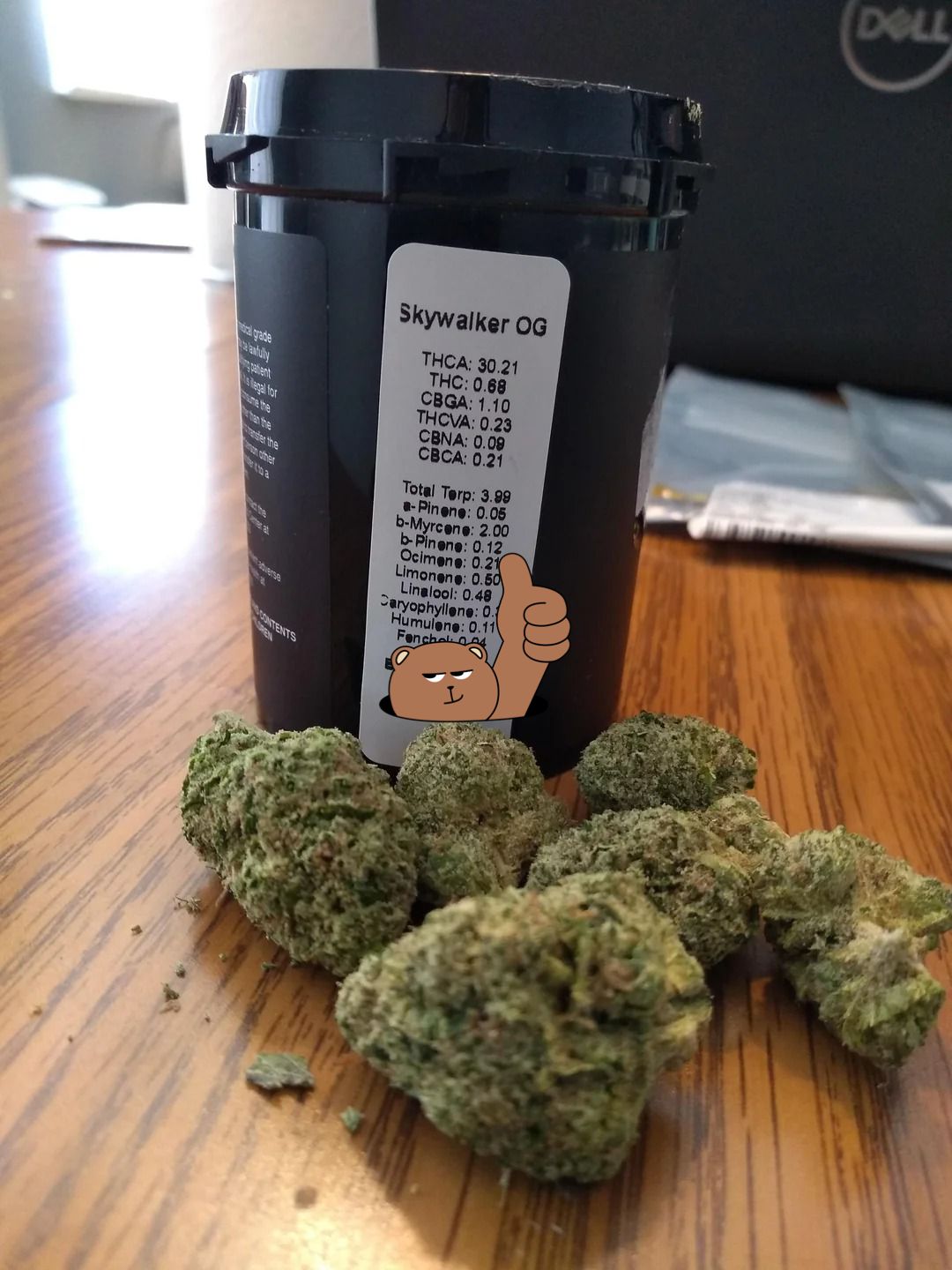
Great service, easy to work with and I’m very satisfied. I’m so happy I found skywalker here. He is super responsive, on time and the quality of weed he sells are serious on point and top notch.